Do WNBA Players Get to Choose Their Jersey Numbers?
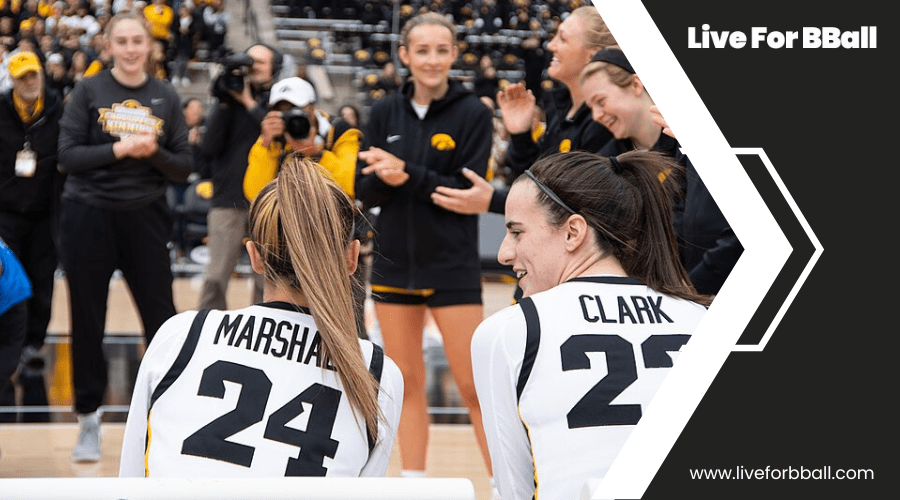
Have you ever wondered how WNBA players pick their jersey numbers? It might seem simple at first—just choose a number you like, right? But there’s actually a lot more to it than meets the eye. From league rules to personal stories, the process is both structured and deeply personal. Let’s dive into how these numbers come to life on the court and the meaning behind them.
How WNBA Players Choose Their Jersey Numbers
First things first: WNBA players do get to choose their jersey numbers, but it’s not a free-for-all. The league allows players to pick any number from 00 to 99, but there are a few catches. The number you want has to be available on your team, and it can’t be retired to honor a past player.
When a player is drafted or signs with a team, they usually submit their preferred number. If you’re lucky, the number you’ve worn since your high school days might be waiting for you. But if you’re a rookie and a veteran on the team already claims it, guess what? The vet gets dibs. Seniority often plays a big role in who gets what number. Sometimes, rookies have to get creative and choose a backup option.
Teams also have their own unique policies about jersey numbers. For instance, some franchises reserve certain numbers for historical reasons or prefer to retire numbers sparingly. This means you’ll have to navigate both your team’s preferences and league-wide rules when making your selection.
Challenges in Jersey Number Selection

Choosing a jersey number isn’t always smooth sailing. What if you’ve been wearing the same number since middle school, but it’s already taken by a teammate? Or what if your number has been retired by your new team to honor a legend?
Take the case of rookie players. Imagine being drafted into the league, excited to carry your college legacy into the WNBA, only to find out your cherished number is unavailable. What do you do? Some players simply adjust and choose another number that resonates with them. Others embrace the opportunity to create a fresh identity, seeing it as the start of a new chapter.
When two players want the same number, teams often prioritize based on seniority or arrival date. Occasionally, players negotiate or even “trade” numbers—some rookies have been known to offer gifts or favors to veterans in exchange for their dream number. It’s all part of the camaraderie and compromise that comes with being part of a team.
Notable Players and Their Jersey Numbers
View this post on Instagram
Numbers carry stories, and the WNBA has plenty of them. Let’s look at some iconic players and how their jersey numbers shaped—or were shaped by—their careers. Even players like Ticha Penicheiro, who led the league in assists nine times, made their numbers iconic through their style of play. Her jersey became synonymous with her incredible passing ability. Where did this tradition of jersey numbers even begin? In basketball’s early days, jersey numbers were primarily used for identification. Over time, they evolved into something much more personal. Players began choosing numbers to honor family members, commemorate milestones, or reflect their personalities. In women’s basketball, this cultural connection runs deep. Some players choose numbers to honor role models or pay tribute to their roots. For instance, a player might wear a number their parent or sibling wore, carrying on a family tradition. Others see their jersey number as a way to express their individuality and make a statement. Things get even more interesting when it comes to international play. Have you noticed that players often wear different numbers during the Olympics? That’s because international basketball rules limit jersey numbers to 4 through 15. Why? The restrictions make it easier for referees to signal fouls using hand gestures. This means many WNBA players have to temporarily part with their usual numbers and pick something new. Sue Bird, for example, famously wore No. 4 during her Olympic career, while Diana Taurasi switched to No. 9. Breanna Stewart, who usually wears No. 30, opted for No. 10 during Olympic competition. For these players, it’s not just about following the rules. Wearing a new number on the international stage often feels like an honor, a chance to connect with the sport’s global traditions and make new memories. Ask any player about their jersey number, and you’ll probably get a heartfelt story. For many athletes, their number is deeply tied to their identity. Take Caitlin Clark, for example. Clark has worn No. 22 since she was five years old. For her, it’s not just a number; it’s a symbol of her journey from a young basketball prodigy to one of the sport’s brightest stars. Her connection to the number runs so deep that the University of Iowa retired it in her honor. Ticha Penicheiro’s jersey number became synonymous with her skills as a playmaker. And for players like Temeka Johnson, who wore multiple numbers over her career, each jersey told a story of growth, change, and resilience. Let’s tackle a few questions you might have about jersey numbers in the WNBA: Can players wear triple-digit numbers? What happens if two players want the same number? Can players change their jersey numbers mid-season? In the WNBA, a jersey number is more than just a way to identify players on the court. It’s a piece of their story, a reflection of their journey, and a nod to the traditions that make basketball so special. Whether it’s a number they’ve cherished since childhood or one they’ve grown to embrace, each digit carries a unique meaning. So, next time you see a player rocking their jersey, take a moment to think about the story behind those numbers. Because in basketball, as in life, every detail counts.Historical and Cultural Context of Jersey Numbers
Jersey Numbers in the Olympic Context
The Emotional and Personal Connection to Jersey Numbers
FAQ: Common Questions About WNBA Jersey Numbers
No, the league restricts numbers to 00 through 99. Anything outside this range isn’t allowed.
Usually, the player with more seniority or who joined the team first gets priority. Rookies often have to choose a backup option.
Not usually. Players can request a number change, but it typically happens in the off-season and must follow league guidelines.Closing Thoughts