
From Stadium to Battlefield: America's Athletes Who Served in War

America's greatest athletes didn't just dominate the gridiron or diamond - they also proved their valor on the frontlines. From legendary linemen like Chuck Bednarik to baseball's Grover Cleveland Alexander, these warrior-athletes traded their jerseys for fatigues and put their physical prowess to the ultimate test.
Whether it was Olympians shouldering rifles in World War I or baseball stars storming the beaches of Normandy, their stories of battlefield heroism are as inspiring as their on-field exploits. Dig deeper to learn how these American icons embodied the warrior spirit that surpassed the playing field.
Guardians of the Gridiron
The gridiron has often been a proving ground for those who've sacrificed to protect their nation. From the ferocious linemen to the elusive backs, football has produced many battlefield heroes.
Take Chuck Bednarik, an eight-time Pro Bowler who earned medals as a WWII gunner, or Rocky Bleier, who was wounded in Vietnam but returned to win four Super Bowls with the Steelers. These athletes embodied the warrior spirit, seamlessly moving from the stadium to the frontlines. Their military service was a declaration of their steadfast devotion to the country and community.
Diamonds to Dog Tags
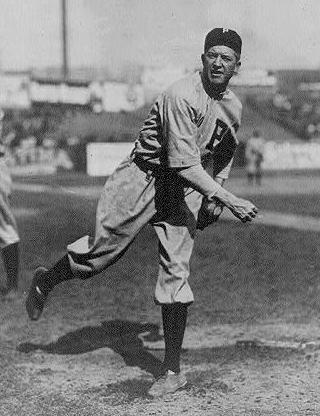
As professional athletes traded in their jerseys for military fatigues, they demonstrated their steadfast commitment to protecting their nation.
Grover Cleveland Alexander, a Hall of Fame pitcher, served as a sergeant in the Army artillery during World War I before his storied MLB career. Yogi Berra, the iconic Yankees catcher, manned a gun on the USS Bayfield during the D-Day invasion of World War II.
Rocky Bleier, a Steelers running back, earned a Purple Heart and Bronze Star for his service in the Vietnam War before returning to the team and winning four Super Bowls.
These athletes' battlefield valor complemented their athletic prowess, inspiring generations of fans.
Olympians Answering the Call
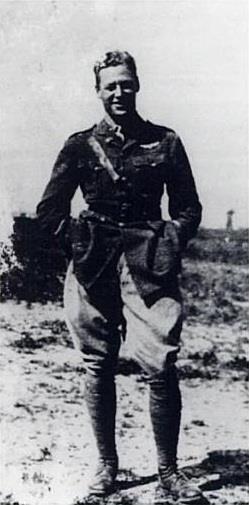
Some of America's greatest athletes proudly answered the call to serve their country during wartime. Olympians like Charley Paddock and Hobart Baker put their athletic careers on hold to fight in World War I, only to make the ultimate sacrifice.
Others, like Joe Louis, used their celebrity status to entertain troops in the Pacific Theater. Even superstars like Pat Tillman, who turned down a multi-million-dollar NFL contract, enlisted in the U.S. Army. These athletes embodied the American spirit. They prove that, regardless of one's fame or fortune, their duty to the country always comes first when freedom is at stake.
Hardwood Heroes in Uniform
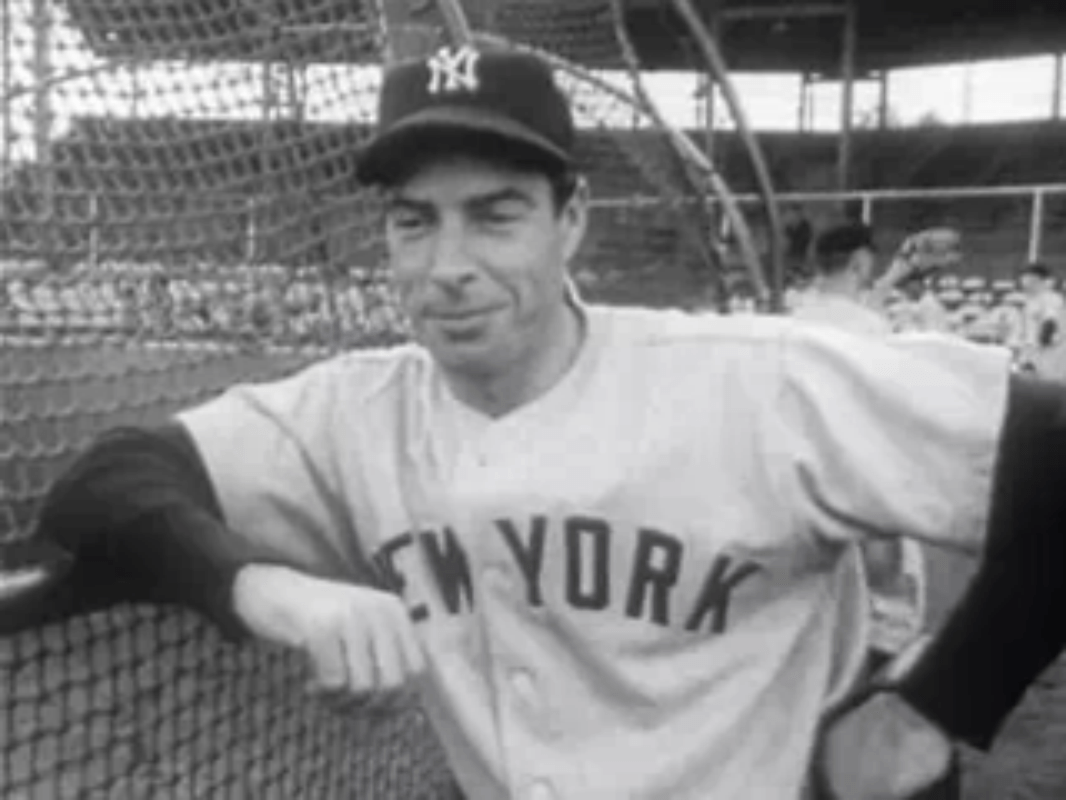
Though the gridiron and diamond boasted many athletic heroes who served their nation, the hardwood produced its fair share of soldiers. Basketball Hall of Famer Bill Bradley joined the Air Force Reserve, while baseball stars like Larry Doby, Joe DiMaggio, and Yogi Berra served in the Navy and Air Force during World War II.
Even the legendary Willie Mays took a break from his Hall of Fame career to serve in the Army for almost two years. These hardwood heroes answered the call to military service, proving their valor on the battlefield and the court or field.
Stripes and Strikeouts
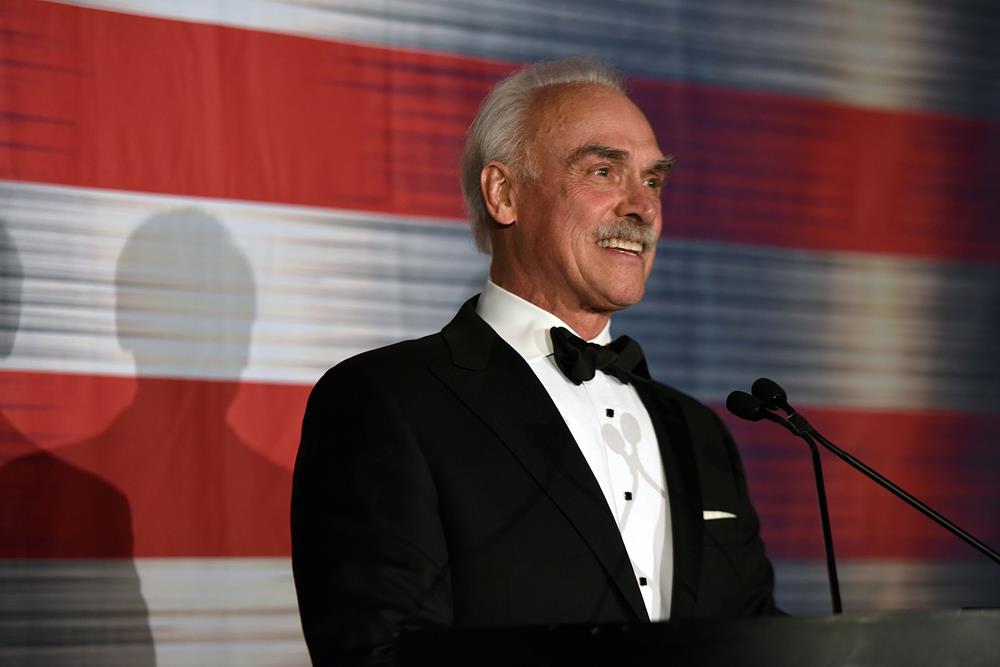
Baseball diamonds and gridirons aren't the only places where athletic prowess shone. During World War I, Grover Cleveland Alexander, a Hall of Fame pitcher, swapped his uniform for Army artillery fatigues.
Meanwhile, Chuck Bednarik of the Eagles earned medals for his service as a gunner on 30 missions. And Yogi Berra, known for his Yankees success, manned a gunner's post on the D-Day invasion.
The U.S. Armed Forces also welcomed Rocky Bleier, who earned a Purple Heart and Bronze Star before returning to the Steelers dynasty. Even NBA champion Bill Bradley contributed, serving in the Air Force Reserve for over a decade.
Roundball Raiders
Basketball players also answered the call to serve their country during wartime. Bob Kurland led Oklahoma A&M to NCAA titles before the Navy during World War II. Don Barksdale, the first African-American Olympian, fought in the segregated Army Air Corps. Chuck Cooper, the NBA's first Black draftee, served in the Army.
Stars like George Mikan and Ed Macauley paused their NBA careers for the military in the Korean War. These basketball players showcased their dedication to the sport and their nation, proving they were true Roundball Raiders.
Sacrificing the Spotlight
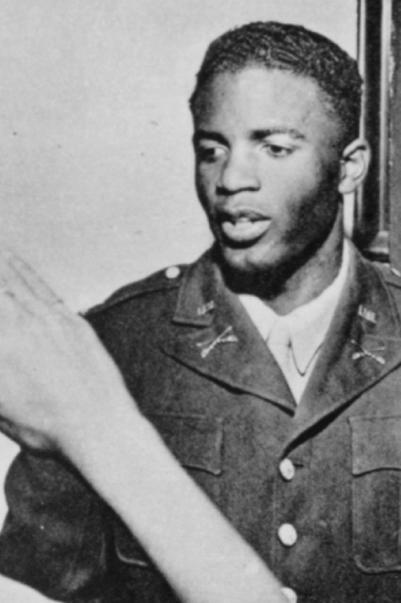
During World War II, many star athletes put their sports careers on hold to serve in the military, sacrificing the spotlight to defend their country. Baseball legend Jackie Robinson set aside his talent to serve as an officer, while NFL standout Pat Tillman famously left the Arizona Cardinals to join the Army Rangers.
Roger Staubach, a future Hall of Fame quarterback, interrupted his college football career to serve a tour in Vietnam before leading the Dallas Cowboys to two Super Bowl titles. These courageous athletes traded fame and fortune for the ultimate sacrifice, putting country before self and proving that true heroism extends far beyond the playing field.
Bats and Battalions
Although their names may not be as widely recognized as some of their more famous counterparts, many other athletes traded their bats and balls for rifles and grenades when their nation called.
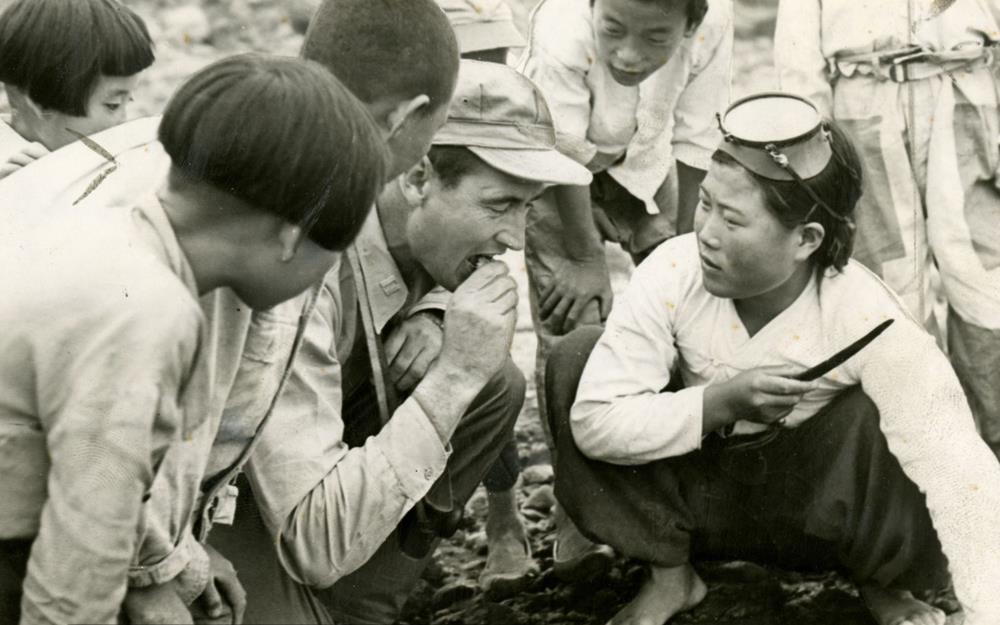
Take, for instance, Ted Williams, the last MLB player to hit over .400 in a season. During World War II and the Korean War, he put his baseball career on hold to serve in the United States Marine Corps as a fighter pilot, flying 39 combat missions.
Or consider Bob Waterfield, the Hall of Fame NFL quarterback who left the Los Angeles Rams to fight in the Pacific theater as a Marine.
Pitchers on Patrols
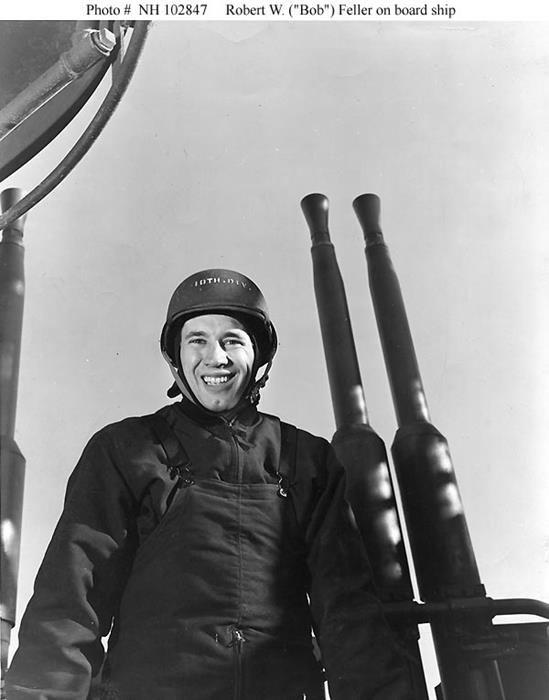
Several pitchers traded the pitching mound for the battlefield during times of war. Hall of Famer Warren Spahn, a dominant lefty, served in the Army during World War II, seeing action in the Battle of the Bulge.
Fireballer Bob Feller enlisted just days after Pearl Harbor, becoming a gun captain in the Navy. Early Wynn, a 300-game winner, was drafted in 1943, serving in the Philippines until the war's end.
These pitchers put their careers on hold to answer the nation's call, proving that America's pastime was no match for the demands of defending freedom.
Conclusion
You've learned about the courageous athletes who've traded their stadiums for battlefields, sacrificing the spotlight to serve their country. Their stories remind us that true heroism knows no bounds. Whether on the field or the frontlines, these individuals embody the unshakable, steadfast spirit of sportsmanship and patriotism.
Their legacies will forever inspire generations to come, proving that the true measure of a champion lies not just in their achievements, but in their willingness to fight for the greater good.


.jpg)