Who Were the Early Superstars of Basketball?
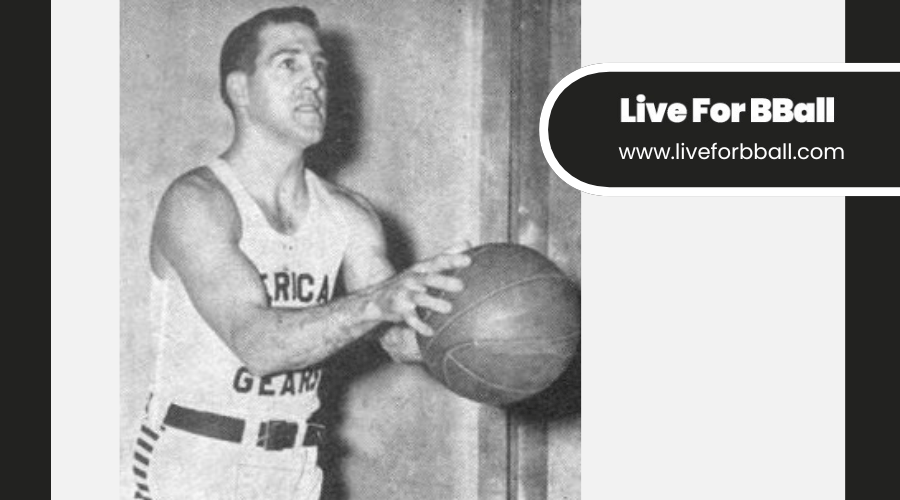
When you think about the early superstars of basketball, names like Bobby McDermott, LeRoy Edwards, and Mel Riebe come to mind, each significantly contributing to the sport's foundation. McDermott's scoring prowess in the NBL, Edwards' leadership with the Kentucky Wildcats, and Riebe's sharpshooting skills all played vital roles in shaping the early competitive landscape. Their pioneering efforts not only influenced the evolution of game rules but also inspired the next generation of players. Let's examine how these early icons left an indelible mark on basketball history.
Pioneers of Professional Basketball
The pioneers of professional basketball laid the groundwork for the sport as it is known today. Players like Bobby McDermott, LeRoy Edwards, and Mel Riebe were instrumental in shaping the early landscape of professional basketball. Bobby McDermott, renowned for his shooting skills, became the National Basketball League's (NBL) all-time leading scorer, significantly impacting the game with his long-range shots despite a shooting percentage of just 30%.
LeRoy Edwards, standing at six-foot-four, was another key figure. He led the Kentucky Wildcats to an NCAA championship in 1933 and dominated the NBL as a two-time scoring leader. Edwards finished his career as the second all-time leading scorer in NBL history, amassing 3,221 points. His prowess in the paint set a standard for future centers.
Mel Riebe made history by being the first player to average over 20 points per game in the NBL, leading the league in scoring for two consecutive years (1944 and 1945). These early stars didn't just play the game; they defined it, setting the stage for the future of professional basketball and inspiring generations to come.
Gene Englund's Career
Mcissne2, 1948-1949 Oshkosh All-Stars Gene Englund, CC BY-SA 4.0
During his time at the University of Wisconsin, Gene Englund honed his basketball skills, setting the stage for a notable professional career. Englund's prowess on the court didn't go unnoticed as he transitioned into the professional leagues, where he made a significant impact. One of the top players in the National Basketball League (NBL), Englund finished 3rd all-time in scoring with a remarkable 3,199 points. His consistent scoring demonstrated his importance in the early days of professional basketball.
When the NBA was formed, Englund played 46 games in its inaugural season, splitting time between the Boston Celtics and the Tri-Cities Blackhawks. Though not a superstar, his contributions were crucial in shaping the competitive landscape of the league. Englund's career highlights include his scoring achievements and participation during the NBA's formative years, showcasing his dedication and skill.
- Scoring Leader in NBL: Finished 3rd all-time with 3,199 points.
- NBA Participation: Played 46 games in the NBA's initial season.
- Pioneer of Modern Basketball: Helped lay the foundation for contemporary playing styles and strategies.
Englund's career, though largely concluded by the time the NBA truly took off, left a lasting legacy in the world of basketball.
LeRoy Edwards' Impact
LeRoy Edwards, a six-foot-four center, revolutionized basketball with his exceptional skills and strategic insights. His impact began with leading the Kentucky Wildcats to an NCAA championship in 1933, showcasing his early dominance. Edwards then joined the Oshkosh All-Stars in the National Basketball League (NBL), where he led the league in scoring for three consecutive years from 1938 to 1940.
A concise overview of his achievements:
| Year | Team | Achievement |
|---|---|---|
| 1933 | Kentucky Wildcats | NCAA Championship Winner |
| 1938-1940 | Oshkosh All-Stars | NBL Leading Scorer |
| 1970 | - | Basketball Hall of Fame Inductee |
During his tenure in the NBL, Edwards was named league MVP and accumulated 3,221 points, securing his place as the second all-time leading scorer in NBL history. His scoring ability and dominance in the paint redefined the center position, providing a model for future players.
LeRoy Edwards' contributions were recognized with his induction into the Basketball Hall of Fame in 1970. His legacy continues to influence the game, particularly the role of the center in basketball.
Bobby McDermott's Legacy
Bobby McDermott, recognized as the first professional basketball shooter, left a groundbreaking legacy in the sport. His career shooting rate of 30% set an early benchmark in professional basketball. Beginning with the Brooklyn Visitations, McDermott quickly established his reputation, eventually becoming the NBL's all-time leading scorer upon retirement.
McDermott's skills extended beyond scoring; he played a pivotal role in securing two NBL championships with the Fort Wayne Zollner Pistons, demonstrating his ability to perform in high-stakes games. His influence also reached coaching; as a player-coach for the Chicago American Gears, he led the team to an NBL championship, highlighting his strategic mind and leadership.
McDermott's contributions to basketball were formally recognized with his 1988 induction into the Basketball Hall of Fame, ensuring his place among the sport's legends. His legacy exemplifies skill, determination, and significant impact on the game.
- Shooting Pioneer: Set an early professional standard with a 30% shooting rate.
- NBL Championships: Key player in leading teams to multiple championships.
- Hall of Fame: Inducted in 1988, cementing his legacy.
Bobby McDermott's story is a vital chapter in basketball history.
Mel Riebe and Ed Sadowski
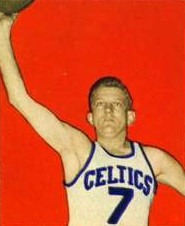
While Bobby McDermott's impact on basketball was monumental, Mel Riebe and Ed Sadowski also carved out their own significant legacies in the sport's early days. Mel Riebe, standing at 5'11", was a scoring sensation in the National Basketball League (NBL). In 1944 and 1945, he led the league in scoring, becoming the first player to average over 20 points per game in a season. Riebe's career began with Cleveland teams from 1943 to 1947, and he later joined the Boston Celtics after the NBL and BAA merger. Despite his earlier success, his performance declined with the Celtics.
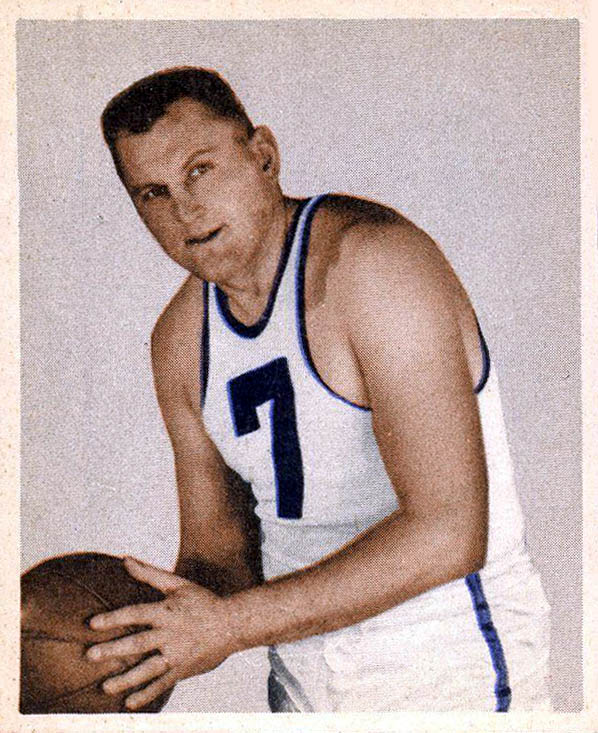
Ed Sadowski, a Seton Hall graduate, began his professional career in 1940 with the Indianapolis Kautskies. He later played alongside Riebe on the Cleveland Rebels. Sadowski made a significant impact with the Boston Celtics, nearly averaging 20 points per game and earning recognition as the first All-BAA/NBA selection. Additionally, Sadowski showcased his versatility by serving as the head coach for the Toronto Huskies while still playing in 1946. Both players, through their skills and contributions, helped shape the early days of professional basketball.
Emerging Basketball Superstars
the early superstars of basketball played crucial roles in shaping the game during its formative years, laying the foundation for the modern era of professional basketball. Here are some of the most iconic players from the early years:
1. George Mikan
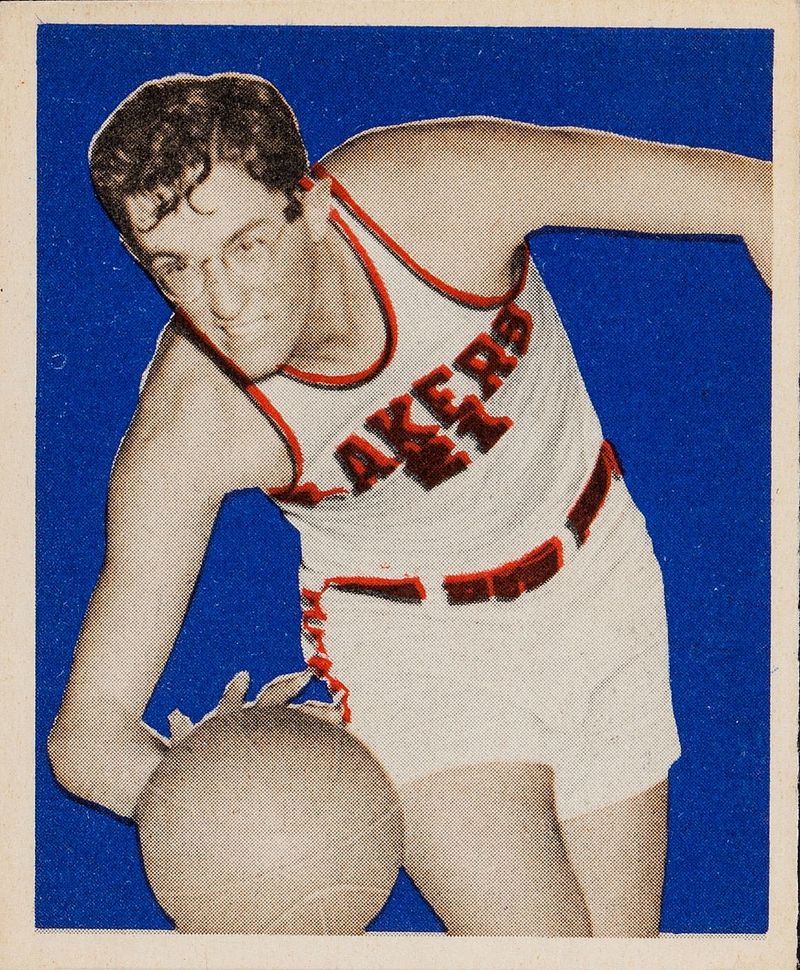
- Era: 1940s-1950s
- Teams: Chicago American Gears (NBL), Minneapolis Lakers (NBA)
- Legacy: Often considered the first true basketball superstar, Mikan was dominant as a center, standing 6'10". He was known for his rebounding, shot-blocking, and hook shot. Mikan led the Lakers to five championships in the 1940s and 1950s, earning him the nickname "Mr. Basketball." His dominance even led to rule changes, such as widening the lane (known as the "Mikan Rule") to reduce his impact.
2. Bob Cousy
- Era: 1950s-1960s
- Teams: Boston Celtics
- Legacy: Cousy was known as "The Houdini of the Hardwood" due to his flashy dribbling, passing, and leadership. He revolutionized the point guard position and led the Boston Celtics to six NBA championships. Cousy was the first to popularize fast-break basketball and was a 13-time NBA All-Star.
3. Bill Russell
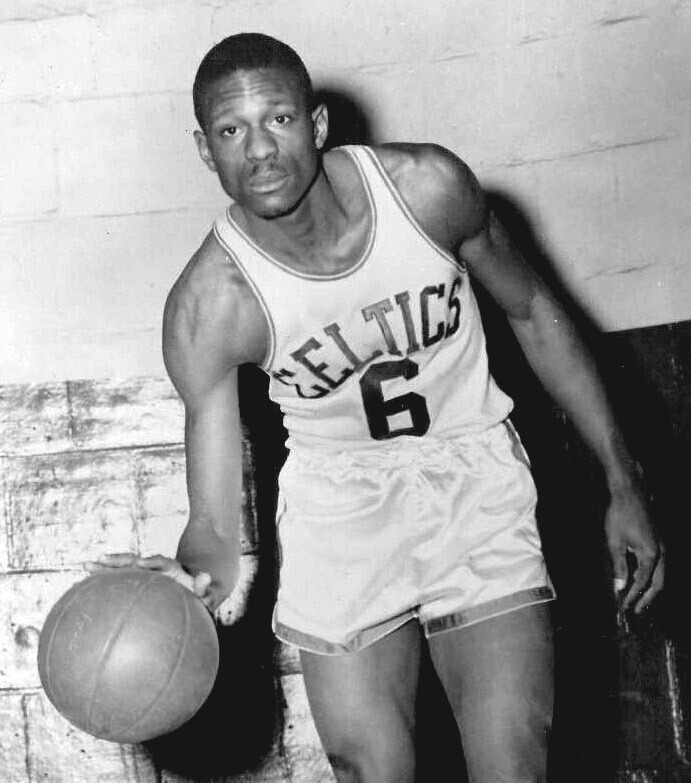
- Era: 1950s-1960s
- Teams: Boston Celtics
- Legacy: Bill Russell is widely regarded as one of the greatest basketball players of all time. He was a dominant defender and rebounder, leading the Celtics to 11 NBA championships in 13 seasons, the most by any player in NBA history. His fierce shot-blocking and leadership set a standard for defensive excellence.
4. Wilt Chamberlain
- Era: 1950s-1970s
- Teams: Philadelphia/San Francisco Warriors, Philadelphia 76ers, Los Angeles Lakers
- Legacy: Wilt Chamberlain was a physical marvel, standing 7'1" with incredible strength and athleticism. He is best known for scoring 100 points in a single game in 1962 and for being the only player to average 50 points per game in a season. Chamberlain dominated the league statistically, winning four MVP awards and two NBA championships.
5. Elgin Baylor
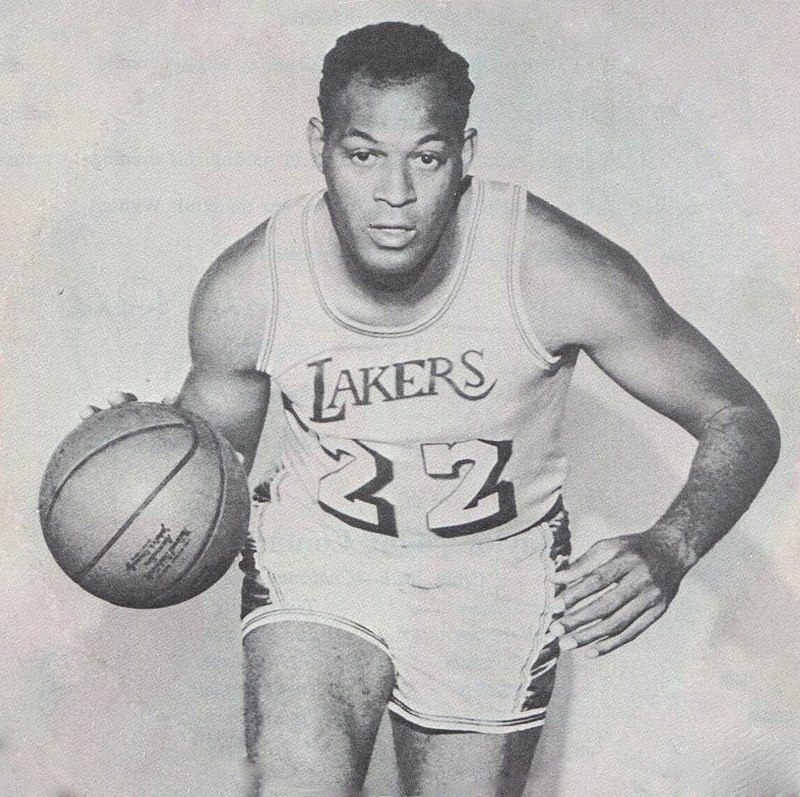
- Era: 1950s-1970s
- Teams: Minneapolis/Los Angeles Lakers
- Legacy: Baylor was one of the first players to bring athleticism and flair to the forward position, known for his scoring ability, hang time, and rebounding. He averaged over 27 points and 13 rebounds per game for his career, becoming a revolutionary player in terms of style and versatility.
6. Oscar Robertson
- Era: 1960s-1970s
- Teams: Cincinnati Royals, Milwaukee Bucks
- Legacy: Nicknamed "The Big O," Oscar Robertson was the first player to average a triple-double for an entire season (1961-1962). He was an outstanding all-around player, excelling in scoring, rebounding, and passing. He was a 12-time All-Star and played a crucial role in the Milwaukee Bucks' 1971 championship win alongside Kareem Abdul-Jabbar.
7. Jerry West
- Era: 1960s-1970s
- Teams: Los Angeles Lakers
- Legacy: Known as "Mr. Clutch," Jerry West was famous for his scoring ability, particularly in crucial moments of big games. He remains the only player to win an NBA Finals MVP award despite being on the losing team (1969). West was a 14-time All-Star and played in nine NBA Finals, eventually winning a championship in 1972.
8. Bob Pettit
- Era: 1950s-1960s
- Teams: Milwaukee/St. Louis Hawks
- Legacy: Pettit was one of the most dominant power forwards of his era. He won two MVP awards and was the first player in NBA history to score 20,000 career points. Pettit led the Hawks to an NBA championship in 1958 and was known for his scoring and rebounding prowess.
9. Paul Arizin
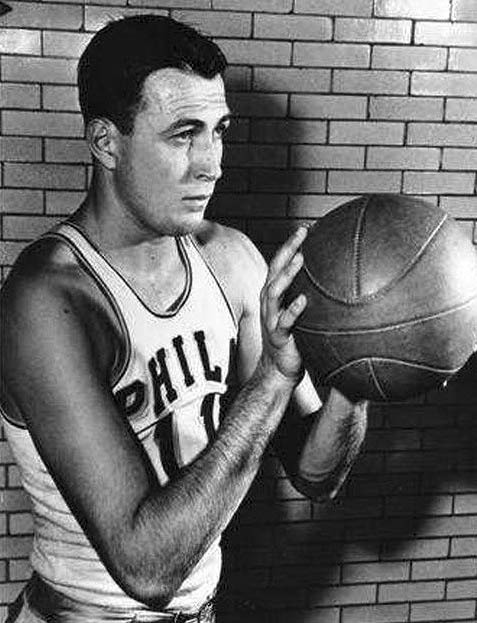
- Era: 1950s-1960s
- Teams: Philadelphia Warriors
- Legacy: Known for his pioneering jump shot, Arizin was one of the top scorers of the 1950s, leading the league in scoring twice and helping the Warriors win an NBA championship in 1956. He was a 10-time All-Star and retired with over 16,000 career points.
10. Dolph Schayes
- Era: 1940s-1960s
- Teams: Syracuse Nationals (later the Philadelphia 76ers)
- Legacy: A consistent scorer and rebounder, Schayes was one of the top players in the NBA during its early years. He was known for his hook shot and free throw shooting, helping the Nationals win an NBA title in 1955. Schayes was a 12-time All-Star and was named to the NBA’s 50th and 75th Anniversary Teams.
The First Players
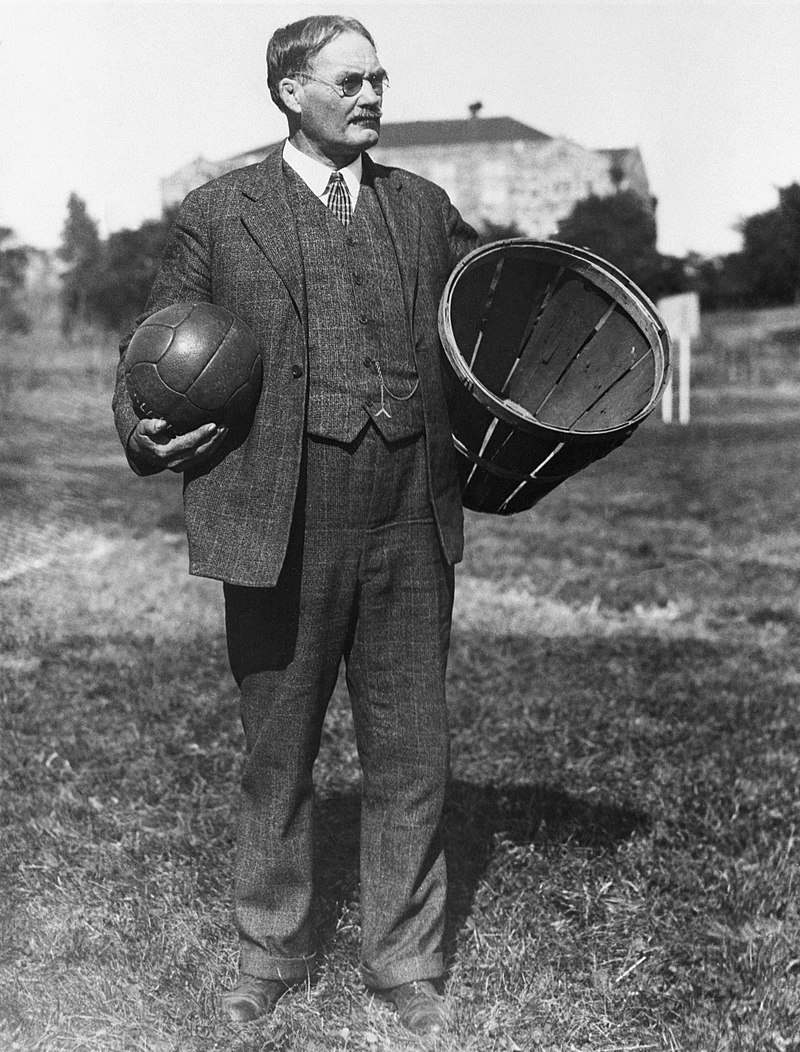
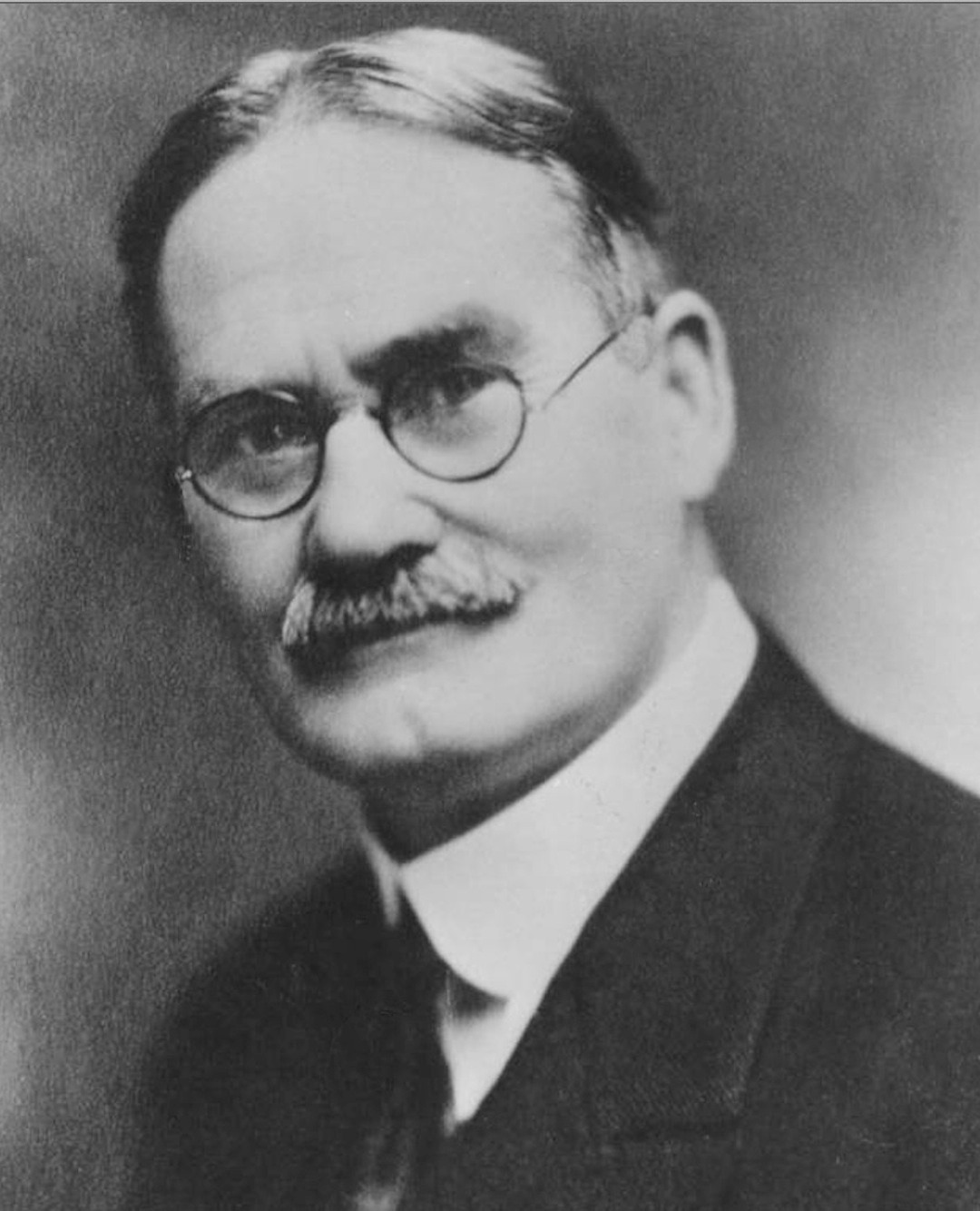
Dr. James Naismith's invention of basketball in 1891 marked the genesis of a transformative era in sports. The first players, a group of eighteen college men from Springfield College, embraced the challenge of developing this new game during the harsh winter months. Pioneers such as Lyman W. Archibald and Franklin E. Barnes exhibited exceptional skill and teamwork, foundational elements that shaped the sport.
The original rules emphasized cooperation and scoring, crucial in molding basketball's competitive nature. Players like Wilbert F. Carey and William R. Chase were not merely participants; they played significant roles in the game's early development and burgeoning popularity. Their contributions underscored the importance of athleticism and strategy, setting a standard for future generations of basketball enthusiasts.
Historical Recognition
You might wonder why early basketball stars like Bobby McDermott and LeRoy Edwards remain relatively unknown despite their foundational contributions. Recognizing these pioneers is crucial for appreciating the sport's rich history and legacy. Efforts to honor their achievements continue, ensuring their impact is preserved.
Foundational Player Contributions
Early basketball luminaries like Bobby McDermott, LeRoy Edwards, and Gene Englund were instrumental in shaping the professional landscape of the sport. Their contributions laid the groundwork for future basketball generations. McDermott's scoring prowess made him the NBL's all-time leading scorer, while Edwards dominated as the league MVP and top scorer from 1938-1940. Englund, who finished third all-time in NBL scoring and participated in the NBA's inaugural season, further cemented the legacy of these early stars.
These players didn't just score points; they set enduring standards for future athletes. LeRoy Edwards, at six-foot-four, accumulated 3,221 points, becoming the second all-time leading scorer in NBL history. Mel Riebe, another scoring leader, was the first player to average over 20 points per game, leading the league in scoring for two consecutive seasons. His achievements underscored the evolving offensive skill in basketball.
- Scoring Leaders: McDermott, Edwards, and Riebe set high benchmarks in scoring.
- Pioneering Achievements: Their milestones inspired future talent to elevate their game.
- Legacy Builders: Their contributions ensured the sport's growth and popularity.
Understanding these foundational contributions underscores their significant role in basketball history.
Celebrating Early Pioneers
Recognizing the trailblazers of basketball, it is crucial to celebrate the significant contributions of players like Bobby McDermott, LeRoy Edwards, Mel Riebe, Gene Englund, and Ed Sadowski. These early stars played pivotal roles in shaping the professional basketball landscape, paving the way for future generations. Despite not receiving the same level of recognition as later superstars, their contributions were invaluable.
LeRoy Edwards, a standout center for the Kentucky Wildcats, led his team to an NCAA championship in 1933. He became the second all-time leading scorer in NBL history with 3,221 points, leaving a lasting legacy. Bobby McDermott, often hailed as the premier pro basketball shooter, dominated the NBL and was inducted into the Basketball Hall of Fame in 1988. Mel Riebe, another scoring pioneer, was the first player to average over 20 points per game in a season.
Gene Englund, though not as celebrated, finished third all-time in NBL scoring and played during the NBA's inaugural season, significantly contributing to the league's early development. Ed Sadowski was also instrumental in the formative years of professional basketball, although specific achievements were not highlighted.
| Player | Achievement | Impact on Basketball |
|---|---|---|
| LeRoy Edwards | NCAA Championship, 1933 | 2nd All-Time NBL Scorer |
| Bobby McDermott | NBL Championships, Hall of Fame, 1988 | Premier Pro Basketball Shooter |
| Mel Riebe | First to average 20+ PPG | Scoring Pioneer |
| Gene Englund | 3rd All-Time NBL Scorer | Early NBA Contributor |
| Ed Sadowski | Contributions implied | Early Professional Influence |
These pioneers laid the groundwork for the sport before the NBA charter was signed, shaping the basketball we cherish today.
Legacy and Ongoing Efforts
The importance of recognizing basketball's early superstars, such as Bobby McDermott, LeRoy Edwards, and Gene Englund, is increasingly acknowledged. These pioneers laid the foundation for the modern game, and efforts to honor their contributions have gained momentum. Historical recognition initiatives, including honoring original players like Lyman W. Archibald during NBA halftime shows, highlight these early stars and their significant impact on the sport.
Institutions like Springfield College Archives are leading research initiatives to uncover and celebrate these foundational figures' histories. These efforts aim to ensure that the legacy of these early contributors is preserved and appreciated by future generations. Exhibits featuring memorabilia, such as Spalding Men's Basketball Books, play a crucial role in educating the public about the sport's origins and the notable figures who shaped it.
The legacy of early basketball stars continues to influence today's players, underscoring the importance of acknowledging the game's rich history. This ongoing effort in historical recognition not only honors the past but also inspires the future.
- Recognition at NBA events: Honors early players during high-profile moments.
- Research initiatives: Uncover and celebrate foundational histories.
- Public exhibits: Educate about the sport's origins and key figures.