High-Top vs. Low-Top Basketball Shoes: Which is Better for Players?

When choosing between high-top and low-top basketball shoes, it’s easy to get caught up in myths about ankle support or trends on the court. However, there’s much more to consider than just how high the collar of your shoe reaches. Factors like your playing style, position, comfort, and even the latest research on performance and injury prevention all play a crucial role. Let’s dive into what really matters and help you find the right shoe for your game.
A Brief History of Basketball Footwear
Basketball shoes have come a long way since the sport’s early days when players relied on basic canvas high-tops with rubber soles. Back then, the focus was simple: create a shoe sturdy enough to handle the physicality of the game while offering some ankle support.
One of the first breakthroughs came in 1934 with the Converse All-Stars, better known today as Chuck Taylors. These high-tops dominated the basketball scene for decades, becoming an iconic part of the game’s history. By the late 1960s, Adidas shook things up with the Superstar, an all-leather low-top basketball shoe. This was a bold departure from the norm, challenging the assumption that high-tops were essential for ankle protection.
The 1980s brought even more innovation, with brands introducing high-tech materials and designs to meet the demands of modern athletes. While high-tops remained popular, the 2000s saw a surge in low-top designs as players began prioritizing speed and agility over traditional stability. Today, the choice between high-tops and low-tops reflects not just personal preference but also an evolving understanding of performance and safety on the court.
High-Tops vs. Low-Tops
View this post on Instagram
The main difference between high-top and low-top basketball shoes is, of course, the height of the collar. High-tops extend above the ankle, while low-tops sit below it. This difference impacts more than just style—it can affect your mobility, stability, and overall performance.
High-tops are often seen as the go-to choice for players who want extra ankle support. The extended collar is designed to limit ankle movement during quick cuts or sudden directional changes, which some believe reduces the risk of sprains. On the other hand, low-tops prioritize freedom of movement, making them a favorite among guards and agile players who rely on speed and quickness.
It’s not just about performance, though. Research shows that wearing low-tops might actually strengthen your ankle stabilizer muscles over time, as they’re forced to work harder without the added support of a high collar. Ultimately, the best choice depends on your playing style, position, and what feels most comfortable for you.
Debunking the Ankle Support Myth
One of the biggest misconceptions in basketball is that high-top shoes significantly reduce the risk of ankle injuries. While it seems logical that a higher collar would provide more protection, modern research tells a different story. Studies have found no significant difference in ankle sprain rates between players wearing high-tops and those wearing low-tops.
Instead of relying solely on shoe design for injury prevention, focus on factors that make a proven difference. Proper warm-ups, ankle-strengthening exercises, and balance training are far more effective at reducing injury risks. In fact, high-tops might even delay muscle activation during sudden movements, potentially compromising natural ankle stability.
Your choice of shoe should complement, not replace, a comprehensive injury prevention strategy. Whether you prefer high-tops or low-tops, make sure your shoes fit well and provide the right amount of cushioning and support for your foot type.
Performance on the Court
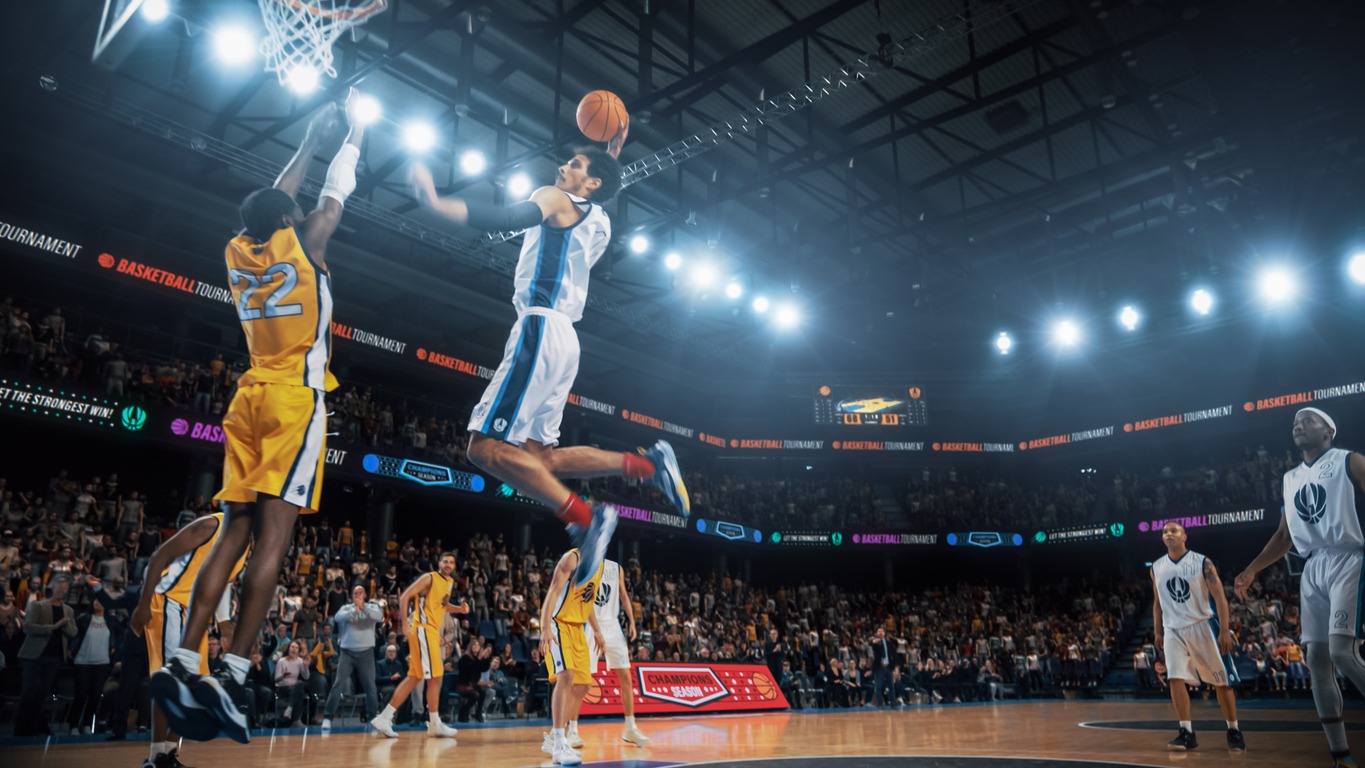
When it comes to performance, the differences between high-tops and low-tops often boil down to playing style and position. Guards and small forwards, who rely on quick cuts and rapid changes in direction, often gravitate toward low-tops. The lighter weight and greater range of motion these shoes offer can give players a slight edge in speed and agility.
For power forwards and centers, stability is often a higher priority. High-tops can provide a sense of security during physical plays like boxing out or posting up. However, it’s important to note that no shoe can magically make you a better rebounder or defender—your skills and techniques matter far more than your footwear.
Regardless of your position, look for shoes with excellent traction, cushioning, and overall stability. These features have a more direct impact on your performance than the height of the collar. Trying different styles during practice can help you determine which design feels most natural and supportive for your game.
Position-Specific Recommendations

- Point Guards, Shooting Guards, and Small Forwards: Low-tops are a popular choice for these positions due to their lightweight design and emphasis on mobility. If you’re someone who makes quick directional changes and values speed, low-tops could be your best bet.
- Power Forwards and Centers: High-tops might offer the stability and ankle protection you need for rebounding and physical post-play. The extended collar can provide added confidence during intense movements, though it’s not a substitute for proper training and conditioning.
- Versatile Players: If you switch between positions or simply can’t decide, mid-tops provide a balanced option. They offer a mix of stability and mobility, making them a great choice for all-around players.
Materials, Weight, and Cost
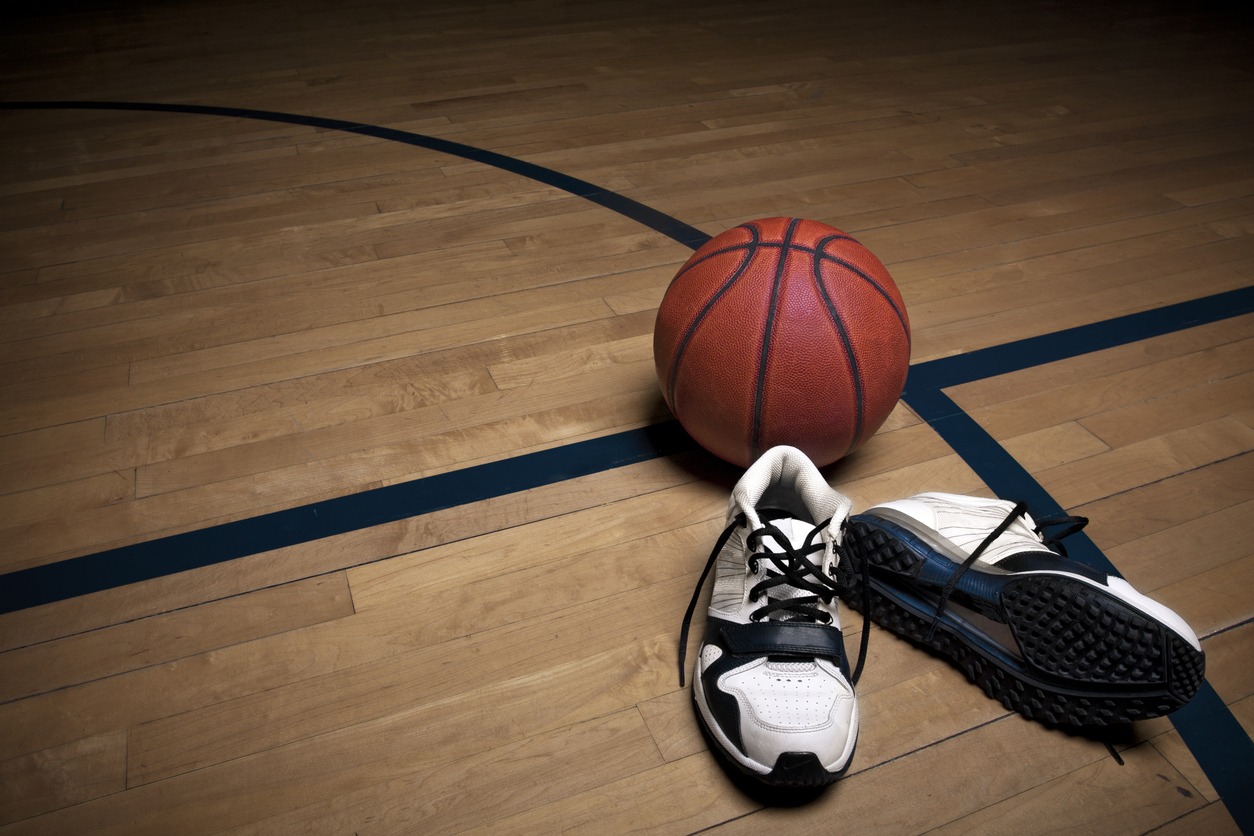
The materials used in basketball shoes can also influence your decision. High-tops tend to weigh slightly more than low-tops—about 60 grams on average—due to the extra material in the collar. While this difference might not seem like much, it can be noticeable for players who prioritize speed.
Low-tops are generally more cost-effective, offering better value per gram of material. However, mid-tops have recently gained popularity for providing a middle ground in terms of price and performance. When shopping for basketball shoes, consider not just the collar height but also the quality of the materials, the cushioning system, and the overall construction.
Trends and Player Preferences

The shift in basketball footwear trends over the years reflects changes in how the game is played. While high-tops were once the standard, today’s players are just as likely to choose low-tops for their flexibility and lighter weight. In the NBA, nearly half of all players now wear low-tops, signaling a move away from the traditional emphasis on ankle support.
This trend highlights a broader shift in priorities. Modern players value footwear that enhances their natural movements and allows them to perform explosive plays without restriction. If you’re still unsure which style to choose, look to players with a similar playing style for inspiration, but ultimately, go with what feels right for you.
Making the Right Choice
At the end of the day, the best basketball shoe for you is the one that fits your needs and feels like a natural extension of your foot. Don’t get caught up in myths or marketing claims—focus on factors that truly impact your performance and safety.
Here are some tips for making your decision:
- Try Both Styles: Test out high-tops and low-tops during practice to see which design feels more comfortable and supportive.
- Consider Your Position: Think about the demands of your role on the court and choose a shoe that aligns with those needs.
- Focus on Fit: Proper sizing and fit are more important than collar height. Make sure your shoes offer ample cushioning and support for your foot type.
- Invest in Injury Prevention: Incorporate ankle-strengthening exercises and balance training into your routine, regardless of which style you choose.
Remember, your shoes are just one part of the equation. Your skills, training, and preparation matter far more than any footwear choice. By understanding your own needs and preferences, you can confidently choose the perfect basketball shoe to elevate your game.