How Did James Naismith Invent Basketball?
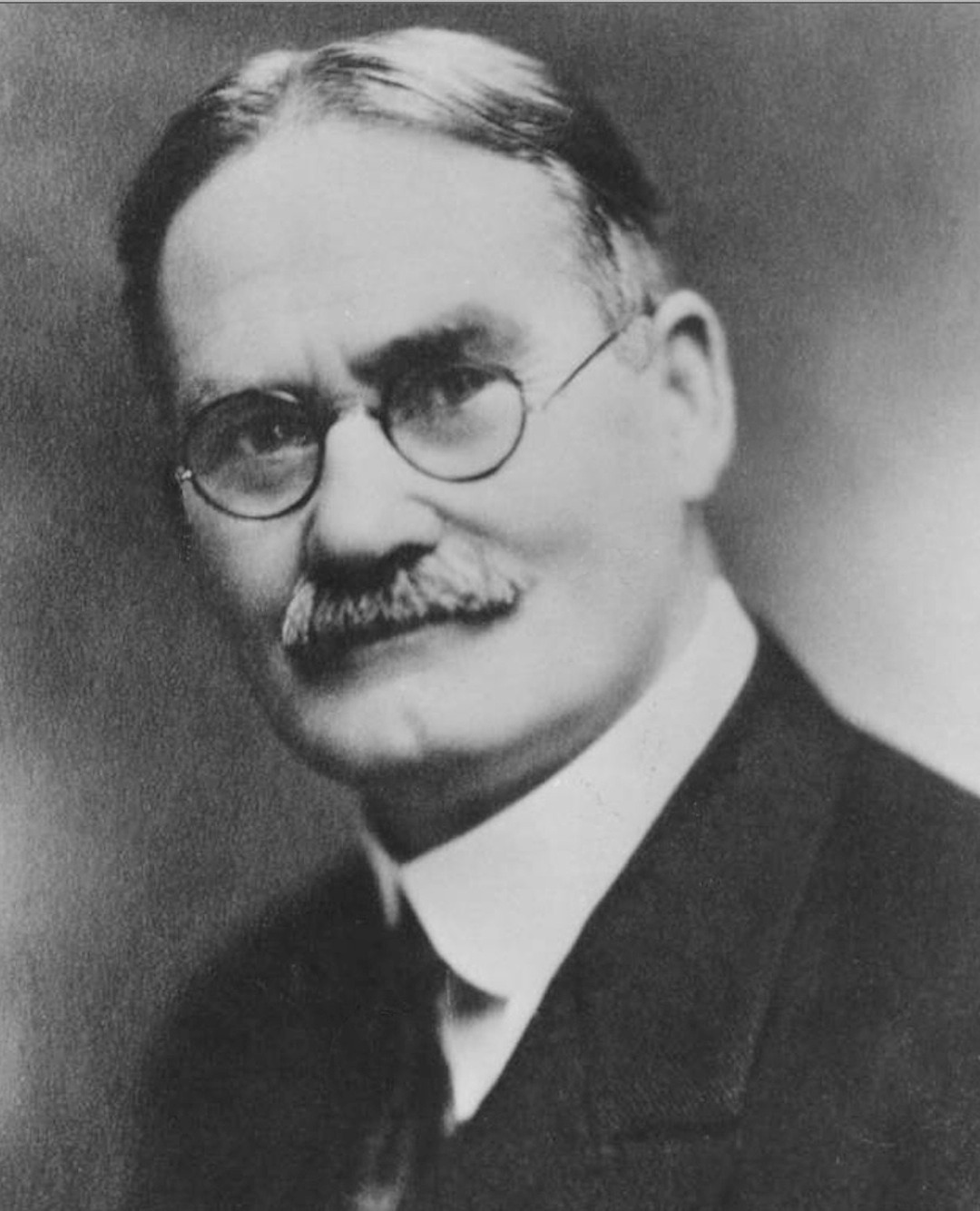
Imagine being tasked with keeping a group of restless students engaged indoors during a harsh winter. This was the challenge James Naismith faced in December 1891 at the YMCA Training School in Springfield, Massachusetts. Seeking a game that was safe, simple, and enjoyable, he drew inspiration from his childhood pastime of tossing rocks into a target. Naismith created basketball, complete with 13 basic rules and an emphasis on passing. But how did this modest start evolve into the global phenomenon we know today? There is much more to uncover about this captivating journey.
The Birth of Basketball
The Birth of Basketball
In December 1891, James Naismith invented basketball at the YMCA Training School in Springfield, Massachusetts. His goal was to create an engaging indoor sport for students during the harsh winter months. Naismith devised a game using a soccer ball and two peach baskets as goals. The first game, played on December 21, 1891, featured nine players on each team.
To ensure safety and non-violence, Naismith established 13 original rules. These included prohibiting players from running with the ball, which encouraged passing and teamwork. The inaugural game ended with a score of 1-0, reflecting the initial challenges players faced with the equipment and rules.
Despite these challenges, basketball quickly gained popularity. Its simplicity and excitement led to its introduction in colleges and YMCAs across the United States shortly after its creation. The game's rapid spread showcased its broad appeal and adaptability. By focusing on safety and collaboration, Naismith's invention provided a new and dynamic way for people to stay active indoors, setting the stage for basketball to evolve into the beloved sport it is today.
Naismith's Inspiration
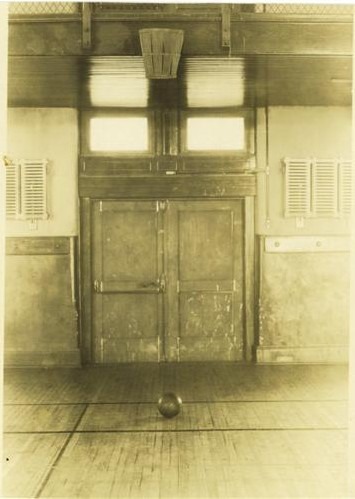
James Naismith, tasked with creating a new indoor game to keep students active during winter, drew inspiration from a childhood activity where he tossed rocks into a target. This simple yet engaging game sparked the idea for a sport that would entertain and exercise students indoors. Naismith's vision prioritized safety, equity, and physical fitness, avoiding the roughness common in other sports of the time.
To realize his concept, Naismith incorporated elements from existing sports like soccer and rugby. He crafted the original rules that laid the groundwork for basketball. His thought process included:
- Safety: To reduce physical contact, unlike rugby, he designed rules aimed at minimizing rough play.
- Target-Based Play: Inspired by his rock-tossing game, he used peach baskets as goals.
- Fairness: The rules ensured all players had equal opportunities to participate and score.
- Physical Fitness: The game promoted running, jumping, and throwing, enhancing overall fitness.
Naismith's innovative thinking and strategic adaptations led to the creation of basketball, a sport that continues to thrive worldwide.
The First Game
Picture this: It's December 21, 1891, at the YMCA Training School in Springfield, Massachusetts. The gym is electric with anticipation as two teams of nine players each gear up for the inaugural game of basketball. The sport, recently invented by James Naismith, has everyone eager to see it in action.
The game begins with a jump ball at the center of the gymnasium. Players scramble to gain possession of the soccer ball, their eyes locked on the two peach baskets hanging 10 feet above the floor, serving as goals. The objective: to toss the ball into the opposing team's basket.
Energy fills the room as players pass, dribble, and strategize, each team striving to make the first score. Finally, a player succeeds in lofting the ball into the peach basket, scoring the only point of the game. The final score: 1-0. The crowd erupts in applause, realizing they've witnessed the birth of something extraordinary.
This initial game of basketball, modest in its score, marks the beginning of a sport that will capture the hearts of millions around the world.
Evolution of the Rules
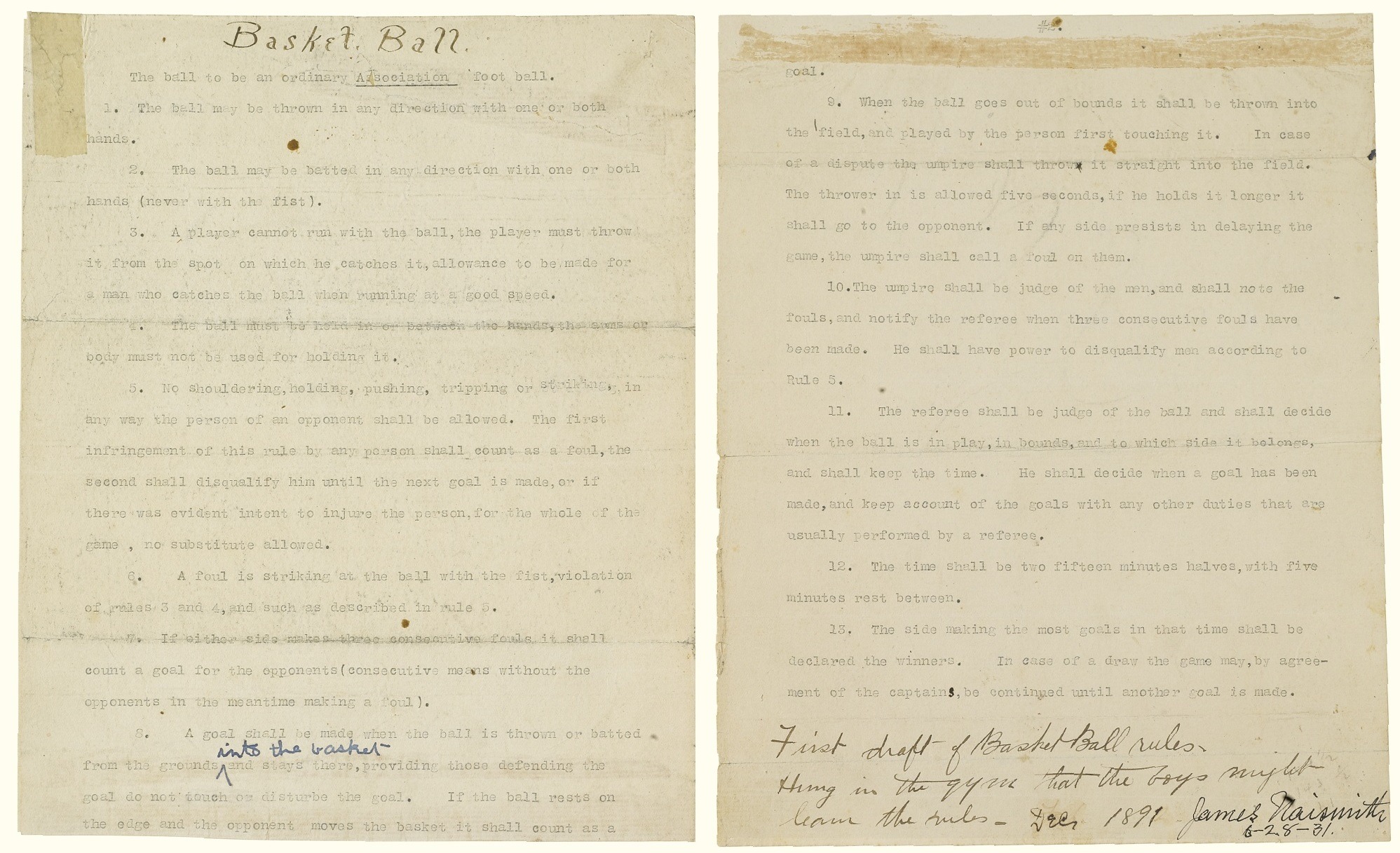
After the excitement of that initial game, it quickly became apparent that basketball needed more structured rules to guide its growth. The original game, played in 1891, was governed by 13 basic rules. These rules prohibited dribbling, meaning players could only advance the ball by passing. Scoring involved tossing a soccer ball into peach baskets, which players had to retrieve using a ladder after each score.
Over time, the rules evolved considerably to improve the game's play and fairness. Here's a quick rundown of some key changes:
- Dribbling: Introduced in the early 1900s, dribbling allowed for more dynamic movement and gameplay.
- Hoops and Nets: In 1913, the original peach baskets were replaced with iron hoops and nets, making scoring quicker and more efficient.
- Backboards: The introduction of backboards ensured the ball stayed in play and prevented interference from spectators.
- Three-Point Line: Adding the three-point line created new strategic dimensions and excitement in the game.
These changes, along with numerous fouls and violations, have refined basketball into the fast-paced, strategic sport we recognize today. From its humble beginnings with basic rules, the game has evolved remarkably, continually adapting to improve both player experience and spectator enjoyment.
Early Equipment and Gameplay
In the early days of basketball, the equipment and gameplay were rudimentary yet groundbreaking. When James Naismith introduced the game, players used a soccer ball and two peach baskets as goals. These baskets were hung 10 feet above the ground, a height still used today. Each team had nine players, and the game began with a jump ball between the center players.
Dribbling or running with the ball was not allowed. Instead, players had to pass the ball to their teammates to move it down the court. The main objective was to toss the ball into the opposing team's peach basket. After each goal, a ladder was needed to retrieve the ball, which significantly slowed down the game.
Here's a quick look at the early equipment and gameplay:
| Equipment | Description | Gameplay Impact |
|---|---|---|
| Soccer Ball | Used as the initial basketball | Limited dribbling possibilities |
| Peach Baskets | Goals hung 10 feet above the ground | Required ladders to retrieve |
| Nine Players | Each team initially had nine players | More crowded court |
| Passing Only | Players couldn't run with the ball | Focused on teamwork |
| Jump Ball | Started the game and restarts | Fair and balanced beginnings |
These early innovations laid the foundation for the modern game of basketball.
Global Spread and Legacy
Basketball rapidly spread beyond Springfield College, propelled by international students and YMCA branches. By 1936, it had gained Olympic recognition, with Naismith attending the first Olympic basketball game. Today, basketball is played by millions globally and is a cornerstone of sports culture worldwide.
International Expansion of Basketball
Basketball quickly evolved from its roots in YMCAs and colleges to become a global sport, largely due to the influence of international students at Springfield College. These students introduced the game to their home countries, significantly boosting its international popularity. By 1905, basketball was established as a permanent winter sport, solidifying its global appeal.
Key developments that accelerated basketball's international reach include:
- YMCA Influence: The extensive YMCA network played a crucial role in introducing basketball to diverse countries, fostering a global community of players.
- Professional Leagues: The formation of professional leagues, such as the Original Celtics and Harlem Rens in the 1920s, highlighted basketball's competitive and entertaining aspects.
- Olympic Inclusion: In the 1930s, basketball's growth led to its inclusion as an official Olympic sport, further enhancing its international legitimacy.
- Widespread Participation: Today, over 300 million people play basketball worldwide, underscoring the sport's universal appeal.
These factors collectively transformed basketball from a regional pastime into a global phenomenon, demonstrating its dynamic growth and enduring legacy.
Olympic Recognition in 1936
The world witnessed a significant moment in sports history when basketball made its Olympic debut at the 1936 Summer Games in Berlin, Germany. James Naismith, the inventor of the game, attended as the honorary president, likely feeling immense pride as the sport he created took center stage at the prestigious event.
The initial Olympic basketball game was a thrilling contest between the United States and France, with the U.S. dominating the match and securing a 65-21 victory. This monumental event was not just a win for the U.S.; it was a win for basketball's global recognition. The inclusion of basketball in the Olympics marked a significant milestone, showcasing the sport to an international audience and sparking widespread interest.
Following the 1936 Olympics, basketball's popularity surged worldwide. Many countries were inspired to establish their own national and professional leagues, further cementing the sport's global legacy. Naismith's invention had officially transcended borders, eventually earning him a well-deserved place in the Basketball Hall of Fame. The Olympic debut of basketball in 1936 was essential in shaping the sport's future, setting the stage for its enduring global impact.
Influence on Global Sports
Building on basketball's Olympic debut in 1936, the sport's influence rapidly expanded beyond North America, captivating audiences and athletes around the globe. Naismith's invention, which originated in Springfield, Massachusetts, quickly transcended borders. By the early 20th century, YMCAs in the United States and Canada had already embraced the game, leading to its official recognition as a winter sport by 1905. This laid the foundation for its inclusion in the Berlin Olympic Games, marking a significant milestone for basketball's global reach.
Professional leagues such as the Original Celtics and Harlem Rens, established in the 1920s, further cemented basketball's popularity and professionalism. Educational institutions also played a crucial role, with collegiate competitions like March Madness starting in 1939, embedding the sport deeply into American culture.
Today, basketball is a global phenomenon, played by over 300 million people worldwide. The game's simple yet dynamic nature makes it accessible and engaging for diverse populations. Here's how basketball's global spread transformed the sports landscape:
- International Leagues: Established leagues in Europe, Asia, and Australia.
- Olympic Influence: Basketball became a core Olympic sport.
- Cultural Impact: Influencing fashion, music, and lifestyle.
- Youth Engagement: Programs nurturing young talent worldwide.
Naismith's legacy continues to shape global sports, making basketball a universal language of athleticism and teamwork.