How the NBA Became a Global Pop Culture Powerhouse
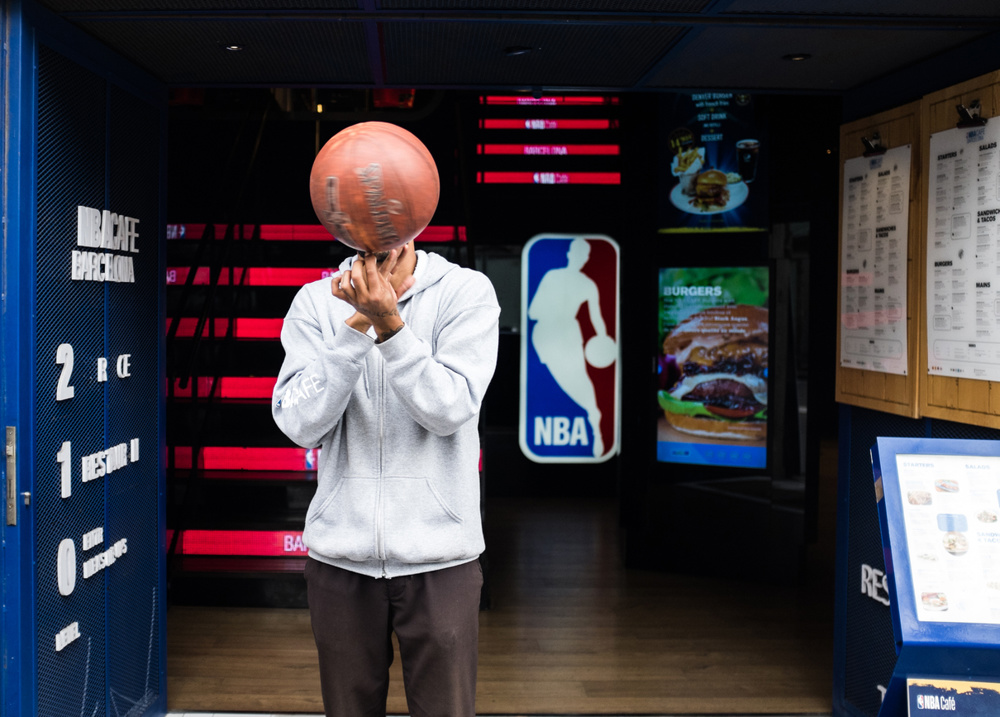
Few sports leagues have crossed into fashion, music, gaming, and entertainment as successfully as the NBA. What began as an American professional basketball league has evolved into one of the world's most recognizable cultural brands, influencing everything from sneaker releases and luxury fashion to viral social media trends and international advertising campaigns.
For millions of people, following the NBA is no longer limited to watching games—it's also about following personalities, styles, and conversations that unfold every day. That transformation didn't happen overnight. Decades of superstar athletes, groundbreaking marketing, television expansion, and digital innovation gradually turned basketball into a worldwide lifestyle. The NBA has become far more than a league—it has become part of everyday popular culture.
From American Sport to Global Cultural Force
The NBA spent much of its early history as a league followed primarily within the United States. Although stars like Bill Russell, Wilt Chamberlain, Magic Johnson, and Larry Bird attracted devoted audiences, basketball remained largely an American product through much of the twentieth century. Television broadcasts expanded its popularity nationally, but international exposure was still relatively limited compared to what fans experience today.
Everything changed as the league embraced globalization. International broadcasts, overseas preseason games, youth basketball programs, and worldwide merchandising introduced the NBA to audiences who had never attended an American sporting event. The legendary 1992 United States Olympic "Dream Team," featuring Michael Jordan, Magic Johnson, Larry Bird, Charles Barkley, and other Hall of Famers, accelerated that transformation by showcasing the NBA's biggest stars to millions of viewers around the world.
Their worldwide appeal also demonstrated how the NBA changed pop culture, transforming basketball from an American pastime into a global force that influences fashion, music, entertainment, and everyday lifestyle far beyond the game itself.
Today, the NBA reaches audiences on every continent. Its games are broadcast in dozens of languages, social media content appears around the clock, and international partnerships continue expanding the league's presence. With billions of online followers and fans spread across hundreds of countries, the NBA has become not simply a sports organization but a global entertainment brand whose influence stretches well beyond basketball courts.
How NBA Players Became Icons Beyond the Game
Modern NBA stars are expected to do much more than score points. Athletes have become entrepreneurs, fashion ambassadors, philanthropists, investors, media personalities, and influential voices on social issues. Their impact often extends far beyond their on-court achievements, making them recognizable even among people who rarely watch basketball.
LeBron James represents perhaps the clearest example of this evolution. Alongside his remarkable playing career, he has built media companies, produced films and documentaries, opened educational initiatives, and become one of the world's most influential athlete-activists. Stephen Curry has expanded his influence through business ventures, charitable work, and family-friendly branding, while Kevin Durant has invested heavily in technology startups and entertainment projects.
Social media has accelerated this transformation by giving fans direct access to athletes' daily lives. Instead of only watching players during games, audiences now follow workout routines, fashion choices, family moments, business announcements, and charitable efforts. The result is a generation of NBA stars whose identities extend well beyond basketball, making them influential public figures across multiple industries.
How Air Jordan Reshaped Sneakers, Style, and the NBA Brand
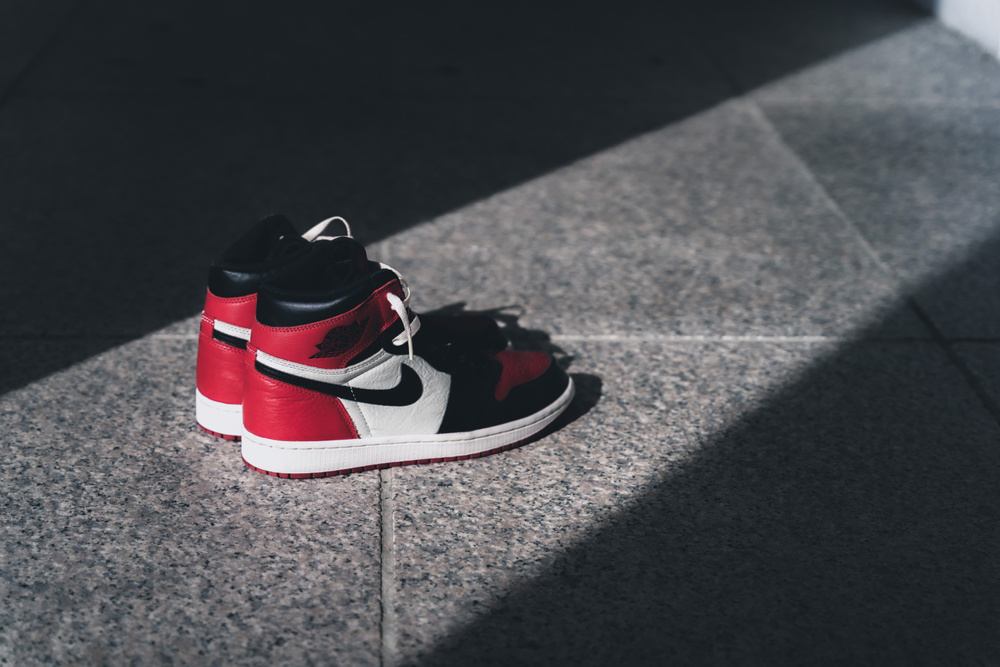
Few partnerships have influenced sports and fashion more profoundly than Michael Jordan's collaboration with Nike. When the original Air Jordan debuted in 1984, it challenged conventional ideas about athletic footwear. Instead of being viewed solely as performance equipment, basketball shoes quickly became fashion statements that people proudly wore far beyond the court.
The success of Air Jordan created an entirely new blueprint for athlete branding. Annual sneaker releases, limited-edition collaborations, and retro collections transformed basketball shoes into collectible cultural objects. Fans camped outside stores for new releases, resale markets flourished, and sneaker collecting developed into a worldwide hobby connecting enthusiasts across generations.
Its influence continues today through athletes and celebrities alike. Musicians, actors, designers, and professional athletes regularly wear Air Jordans as symbols of style rather than simply athletic performance. The success of Jordan Brand demonstrated that a basketball player could create a business capable of thriving decades after retirement, fundamentally changing how the NBA and its athletes approached marketing, endorsements, and personal branding.
Why the NBA and Hip-Hop Became Inseparable
Few relationships in modern entertainment have been as mutually influential as the connection between the NBA and hip-hop. Both grew from urban communities during similar periods, and each became a powerful platform for creativity, self-expression, and ambition. As hip-hop expanded into mainstream music, basketball naturally became part of its language, imagery, and storytelling.
Artists frequently reference NBA stars in their lyrics as symbols of excellence, confidence, and success. Drake's close relationship with the Toronto Raptors, Jay-Z's involvement with the Brooklyn Nets, J. Cole's basketball career, Travis Scott's sneaker collaborations, and Kendrick Lamar's frequent basketball references demonstrate how deeply these worlds overlap.
Fashion has strengthened that relationship even further. Pregame tunnel walks often resemble celebrity red carpet events, with players showcasing designer clothing before every game. Allen Iverson helped introduce tattoos, cornrows, oversized streetwear, and hip-hop aesthetics into professional basketball, while later stars such as Russell Westbrook and Shai Gilgeous-Alexander transformed player arrivals into highly anticipated fashion moments.
How Social Media Made the NBA a Daily Cultural Conversation
Social media fundamentally changed how people experience professional basketball. Fans no longer wait for nightly highlight shows or the morning newspaper to learn what happened. Instead, spectacular dunks, clutch shots, tunnel outfits, postgame interviews, and locker room celebrations appear online within seconds, creating continuous conversations that extend far beyond game time.
Platforms such as Instagram, TikTok, X, YouTube, and Facebook have allowed athletes to communicate directly with supporters without relying entirely on traditional media outlets. LeBron James, Stephen Curry, Giannis Antetokounmpo, Luka Dončić, and Victor Wembanyama each maintain enormous online audiences that follow everything from workouts to charitable activities.
This constant visibility has transformed the NBA into an everyday entertainment experience rather than a seasonal sporting event. A viral highlight, humorous interaction, or memorable fashion choice can dominate online conversations long after the final buzzer sounds. For younger audiences especially, basketball now exists as much through digital platforms as it does through live broadcasts, making the NBA one of the most socially connected sports leagues in the world.
How the NBA Changed Fashion Beyond Sneakers
Although sneakers remain central to basketball culture, the NBA's influence on fashion extends far beyond footwear. Player arrivals before games—often called tunnel walks—have evolved into some of the sports world's biggest fashion showcases. Cameras now capture every outfit, turning athletes into style icons whose clothing choices generate headlines alongside game performances.
Designers and luxury fashion houses have embraced this relationship enthusiastically. Brands such as Louis Vuitton, Off-White, Dior, Gucci, and Thom Browne regularly collaborate with NBA athletes, recognizing their influence on younger consumers worldwide. Virgil Abloh's work with both luxury fashion and streetwear further blurred the lines between athletic apparel and high fashion, helping establish basketball as one of the industry's most influential style inspirations.
Today's stars embrace individuality through clothing in ways that previous generations rarely could. Russell Westbrook's bold experimentation, Shai Gilgeous-Alexander's refined luxury style, Jordan Clarkson's fashion-forward wardrobe, and Kyle Kuzma's memorable tunnel fits generate discussions that rival postgame analysis. Basketball has become one of fashion's most important stages, proving that the NBA's influence reaches well beyond what happens during four quarters of play.
Why International Fans Turned the NBA Into a Worldwide Phenomenon
The NBA's worldwide success wouldn't have been possible without international fans embracing the league as their own. Basketball has become one of the few sports capable of connecting audiences across vastly different cultures, languages, and time zones. Local viewing parties, youth leagues, and social media communities have helped transform the NBA from an American competition into a shared global experience that millions anticipate throughout the year.
International superstars have played a major role in building those connections. Yao Ming inspired an enormous basketball following throughout China, while Dirk Nowitzki elevated the sport's popularity in Germany and across Europe. More recently, Giannis Antetokounmpo has become a source of pride for Greece and Nigeria, Luka Dončić has energized fans throughout Slovenia and Europe, and Victor Wembanyama has generated tremendous excitement in France.
The league has reinforced those relationships by investing heavily in international broadcasts, grassroots basketball academies, preseason games overseas, and localized digital content. Instead of asking the world to adapt to American basketball culture, the NBA has increasingly adapted its content to international audiences. That strategy has created one of the largest and most passionate worldwide fan communities in professional sports.
How NBA Video Games Expanded Basketball Culture
Video games have introduced millions of people to basketball, often long before they watched a full NBA game. Classic arcade titles like NBA Jam made the sport accessible through fast-paced, over-the-top gameplay that became a cultural phenomenon during the 1990s. Even players who didn't closely follow professional basketball could instantly recognize famous teams, athletes, and unforgettable catchphrases.
Modern franchises like NBA 2K have expanded that influence dramatically. Game modes such as MyCareer, MyTeam, and MyNBA allow players to build careers, manage franchises, and compete online with friends around the world. The series has become much more than a sports simulation—it serves as an introduction to NBA history, player personalities, team traditions, and basketball strategy for younger generations.
Streaming platforms have amplified that reach even further. Content creators regularly livestream NBA 2K tournaments, discuss roster updates, recreate historic games, and organize online competitions that attract massive audiences. For many younger fans, gaming became their first meaningful connection to professional basketball before they ever attended a live game or watched a full broadcast.
The NBA's Biggest Global Superstars
Every era has produced athletes who expanded the NBA's audience beyond traditional basketball fans. Michael Jordan transformed professional athletes into worldwide celebrities through championship success, unforgettable advertising campaigns, and the lasting influence of Jordan Brand. Kobe Bryant inspired millions through his relentless work ethic and international popularity, particularly in Asia, while LeBron James has become one of the most recognizable athletes in the world through his achievements on and off the court.
Stephen Curry changed the way basketball is played, inspiring young athletes to develop long-range shooting while attracting new fans through his exciting style of play. Shaquille O'Neal combined athletic dominance with entertainment, appearing in movies, music, television, and advertising. Earlier pioneers like Magic Johnson and Larry Bird helped revive the NBA during the 1980s, creating rivalries that attracted new audiences and paved the way for future global expansion.
Today's generation continues building on that legacy. Giannis Antetokounmpo, Luka Dončić, Nikola Jokić, Victor Wembanyama, and other international stars demonstrate that basketball excellence now comes from every corner of the world. Their success ensures that the NBA's future will remain increasingly international, bringing new fans, new stories, and new cultural influences into the league every season.
Conclusion
The NBA's journey from an American basketball league to a worldwide pop culture powerhouse is one of the most remarkable transformations in modern sports. Through superstar athletes, groundbreaking sneaker collaborations, hip-hop partnerships, and social media, the league has become much more than a competition for championships. It now influences how people dress, what they watch, the music they listen to, and even how they express themselves online.
Perhaps the NBA's greatest achievement is that it continues to evolve while remaining deeply connected to popular culture. Every new generation of players, creators, designers, musicians, and fans adds another chapter to its story. Whether someone discovers basketball through a pair of Air Jordans, an NBA 2K career mode, a viral highlight on TikTok, or a championship game watched halfway across the world, they're participating in a cultural movement that extends far beyond the hardwood and continues to shape global entertainment.
Related posts