How to Measure Your Feet for the Perfect Nike Shoe Fit
Finding the perfect pair of Nike shoes isn’t just about picking a size you’ve always worn. Your feet are unique, and taking the time to measure them properly can make all the difference in comfort, performance, and style. In this guide, we’ll show you exactly how to measure your feet at home and use Nike’s size charts to ensure the best fit for your next pair of kicks.
Why Accurate Foot Measurement Matters
Getting the right shoe size isn’t just a matter of comfort; it’s about keeping your feet healthy and ensuring your shoes perform their best. Did you know that nearly 70% of people are wearing shoes that don’t fit properly? That’s a staggering number, and it often leads to problems like blisters, cramping, or even long-term foot issues.
Nike’s designs are crafted with precision, but they can vary slightly in fit depending on the model. A running shoe might feel different from a basketball sneaker or a casual lifestyle pair. Measuring your feet accurately helps you avoid these common pitfalls and guarantees a comfortable fit, no matter the activity.
Plus, feet aren’t static. They change throughout the day and over time. Measuring them in the afternoon—when they’ve naturally expanded—is a small but vital step toward finding your ideal size. Age, weight fluctuations, and physical activity can also alter the size and shape of your feet, making periodic measurements essential. Taking these extra steps ensures that your shoes not only fit but also support your lifestyle and physical health.
Tools You’ll Need
Before we dive into the steps, let’s make sure you’re prepared. Here’s what you’ll need:
- Plain paper: Big enough to trace your entire foot.
- A pencil or pen: Make sure it’s sharp for accuracy.
- Measuring tape or ruler: Flexible or rigid, as long as it’s precise.
- Socks: Wear the ones you’ll use with your Nike shoes.
- Flat surface: Hardwood or tile flooring works best. Avoid carpets, as they can affect your stance.
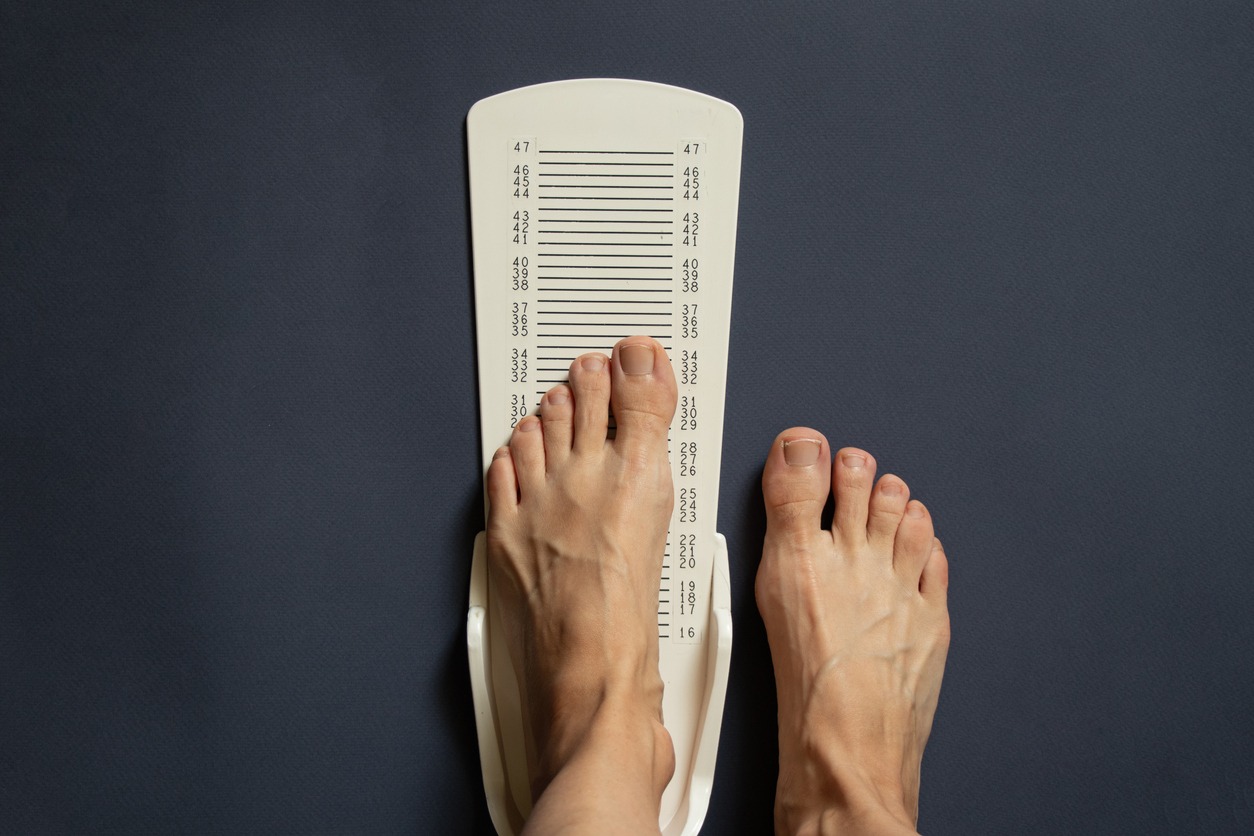
For those who want even greater accuracy, a Brannock device (the tool used in shoe stores) can be an excellent investment. But don’t worry if you don’t have one—our DIY method works just as well!
Step-by-Step Measuring Guide
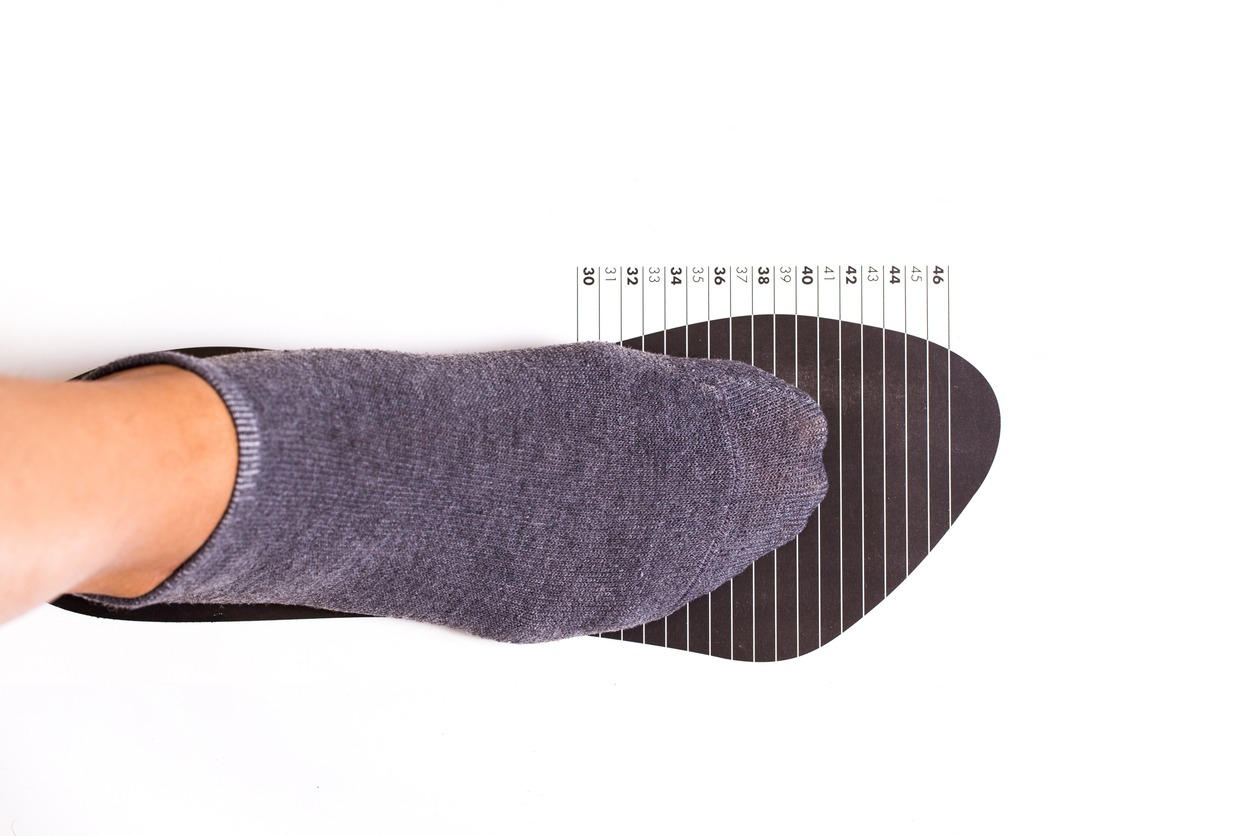
Now that you’re ready let’s measure those feet!
1. Measure in the Afternoon
Your feet naturally swell throughout the day. To get the most accurate measurement, wait until the afternoon or evening when your feet are at their largest. This ensures that your shoes will be comfortable all day long.
Why is this important? During the day, gravity and physical activity cause blood flow to increase, leading to slight swelling. Measuring at this time ensures that your shoes accommodate this natural change, avoiding tightness during prolonged wear.
2. Prepare Your Setup
Place a piece of paper on a flat, hard surface. Tape it down to keep it from slipping. Put on the socks you’ll typically wear with your Nike shoes. Stand with your foot firmly planted on the paper, making sure your weight is evenly distributed. Proper weight distribution is key because lifting your foot slightly can alter the shape and length of your foot.
3. Trace Your Foot
Using your pencil or pen, carefully trace around your foot. Keep the writing tool perpendicular to the paper to avoid creating a smaller or larger outline than your actual foot size. Repeat the process for your other foot—it’s normal for one foot to be slightly larger than the other.
To ensure accuracy, have someone else do the tracing for you if possible. This minimizes the chance of shifting your weight awkwardly while trying to draw.
4. Measure Length and Width
Using a ruler or measuring tape, measure from the tip of your longest toe to the back of your heel. This gives you the length of your foot. Next, measure the widest part of your foot—usually across the ball of the foot. Write these measurements down for both feet.
For even better results, repeat the measurements twice to confirm consistency. Small errors can lead to discomfort, especially in performance shoes like running sneakers.
5. Refer to Nike’s Size Chart
Take your larger foot’s measurements and compare them to Nike’s official size chart. If you’re between sizes, always go with the larger size to avoid discomfort. Remember that Nike’s sizing might differ slightly from other brands, so don’t assume your usual size will work.
Nike’s size charts also provide guidance for different widths, so pay attention if you have narrow or wide feet. Ensuring a proper width fit can greatly impact overall comfort and support.
Understanding Nike Size Charts
Nike’s size charts are designed to help you find the best fit across their diverse range of footwear. Here’s what you need to know:
- Men’s vs. Women’s Sizing: There’s typically a 1.5-size difference between men’s and women’s sizes. For example, a woman’s size 8 is roughly equivalent to a man’s size 6.5.
- Unisex Styles: Many Nike styles offer unisex sizing, which uses men’s sizes as a base. If you’re a woman shopping for unisex styles, simply subtract 1.5 from your usual size.
- Kids’ Sizes: Nike’s kids’ sizes are perfect for smaller feet. Be sure to check the youth size chart if shopping in this category.
When in doubt, consult Nike’s website or visit a store to try on different models. Each shoe style has unique fit characteristics—some might run narrower or wider than others.
Nike also offers tools within their size charts to guide you in selecting styles for specific activities, such as running or basketball. Knowing the purpose of your shoes can help narrow down your choices.
Common Sizing Mistakes to Avoid
Even with the best intentions, it’s easy to make mistakes when sizing your shoes. Here are a few common pitfalls to watch out for:
- Skipping the Measurement: Don’t rely on your “usual” size. Feet can change over time due to age, weight, or activity levels.
- Measuring Only One Foot: Always measure both feet and base your shoe size on the larger foot.
- Ignoring Width: Length isn’t the only factor. If you have wider or narrower feet, choose a shoe model that accommodates your width.
- Not Checking Size Charts: Different brands and styles fit differently. Always consult the specific size chart for the shoe you’re buying.
Remember, trying shoes on in person can also help if you’re unsure. Many stores offer fitting services to ensure you get it right the first time.
Signs Your Shoes Don’t Fit Correctly

How can you tell if your shoes are the wrong size? Watch for these signs:
- Toe Pain: If your toes feel cramped or pinched, the shoe is likely too small.
- Heel Slippage: Your heel should stay snugly in place. If it slips while walking, the shoe might be too big.
- Arch Discomfort: Misaligned arch support is a telltale sign of the wrong size.
- Blisters or Soreness: These often occur when shoes are too tight or too loose, causing friction.
The right shoe should feel like an extension of your foot—snug but not restrictive, supportive but not stiff. If discomfort persists, consider consulting a podiatrist for further insights.
Special Tips for Athletes
If you’re an athlete, proper shoe fit becomes even more critical. Here’s how to adapt your measurements for athletic footwear:
- Measure After Activity: Your feet swell more during sports. Measure them after a workout to mimic these conditions.
- Consider Sport-Specific Needs: Basketball players might need extra ankle support, while runners often prioritize lightweight shoes with ample toe room.
- Reassess Frequently: Feet can change with training. Re-measure every six months if you’re highly active.
Also, consider the type of socks you’ll wear during your sport. Compression or thicker socks may affect fit and should be factored into your measurements.
Digital Tools: Nike Fit
Nike has embraced technology to make shoe sizing easier than ever. With the Nike Fit feature, you can use your smartphone or visit a store to get a precise measurement down to the millimeter. The app uses advanced computer vision to map your feet and recommend the perfect size for any Nike shoe.
This technology eliminates much of the guesswork and ensures a personalized fit. Once your measurements are saved, buying shoes online becomes a breeze. Say goodbye to returns and hello to comfort!
Beyond convenience, Nike Fit also provides insights into how different models fit your specific measurements. This can be particularly helpful when transitioning between lifestyle and performance footwear.
Final Thoughts
Taking the time to measure your feet properly is the first step toward finding your perfect Nike shoe fit. Whether you’re a casual wearer or a dedicated athlete, the right size ensures comfort, enhances performance, and protects your foot health.
So grab your tools, follow these steps, and find the Nike shoes that fit you like they were made just for you. Your feet will thank you every step of the way. Whether it’s for a casual day out or your next big race, the perfect fit makes all the difference.