Most Successful Basketball Players to Go From High School to the NBA
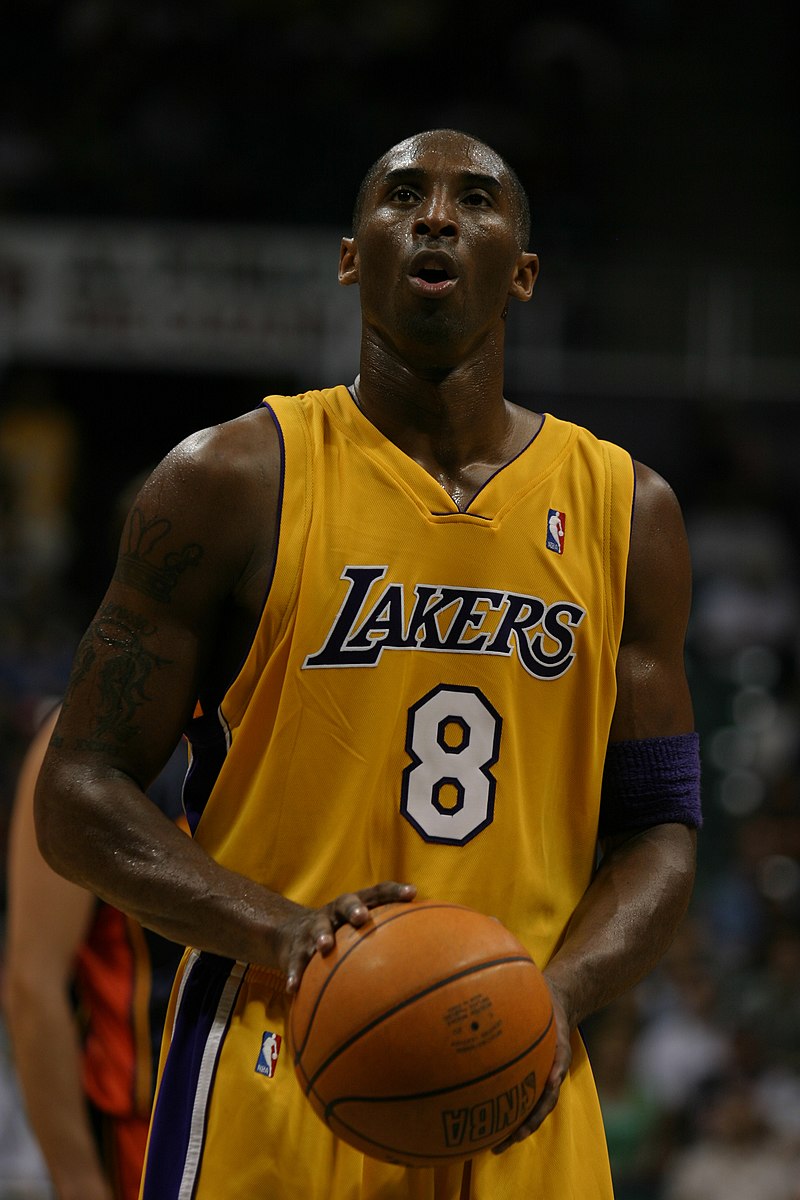
When discussing the most successful basketball players to go directly from high school to the NBA, names like Kobe Bryant, LeBron James, and Kevin Garnett stand out. These athletes not only amassed remarkable personal accolades but also left a lasting impact on the league. Understanding how they transitioned so seamlessly into the professional arena and the factors contributing to their extraordinary success provides valuable insights. What set them apart?
Historical Evolution of High School Draftees
The journey of high school players entering professional basketball began with Reggie Harding's unprecedented selection in the 1962 NBA draft. At that time, players were required to complete four years of college eligibility, but Harding's direct entry from high school marked a pivotal change in the draft's history.
The landscape evolved further with the 1971 U.S. Supreme Court ruling in Haywood v. NBA, which permitted players to enter the draft under hardship conditions. This decision opened the door for more high school athletes. Moses Malone's decision to join the ABA in 1974 further emphasized the shifting eligibility standards and growing acceptance of younger talent.
The trend gained significant momentum with Kevin Garnett's draft in 1995. His success inspired other high school players, such as Kobe Bryant and LeBron James, to enter the NBA directly. This shift had a profound impact on the league, with NBA teams increasingly recognizing the potential and readiness of these young athletes. As the success of high school draftees grew, debates about eligibility standards and the optimal path for aspiring players intensified. The evolution of high school entries continues to influence the NBA draft landscape today.
Most Impactful High School-to-NBA Players
The impact of high school players who transitioned directly to the NBA is undeniable. These athletes have left lasting legacies and set new standards in professional basketball.
Kobe Bryant, drafted 13th overall, became a household name with 5 NBA Championships and 18 All-Star appearances. His career average of 25.0 points per game underscores his scoring prowess.
LeBron James, the first overall pick in 2003, has dominated the NBA with 4 NBA Championships and 19 All-Star appearances. His career averages of 27.0 points, 7.4 rebounds, and 7.4 assists per game highlight his versatility and well-rounded play.
Kevin Garnett, selected fifth overall in 1995, was renowned for his intensity and versatility. He earned 15 All-Star appearances and an MVP award, and led the Boston Celtics to an NBA Championship in 2008.
Dwight Howard, another high school-to-NBA player, has also made significant contributions. He won an NBA Championship and was a 3-time Defensive Player of the Year, with career averages of 16.2 points and 12.5 rebounds per game.
Here's a summary of their achievements:
| Player | Career Achievements |
|---|---|
| Kobe Bryant | 5 NBA Championships, 18 All-Star appearances, 25.0 PPG |
| LeBron James | 4 NBA Championships, 19 All-Star appearances, 27.0 PPG, 7.4 RPG, 7.4 APG |
| Kevin Garnett | 1 NBA Championship, 15 All-Star appearances, 17.8 PPG, 10.0 RPG |
| Dwight Howard | 1 NBA Championship, 3x Defensive Player of the Year, 16.2 PPG, 12.5 RPG |
1. LeBron James
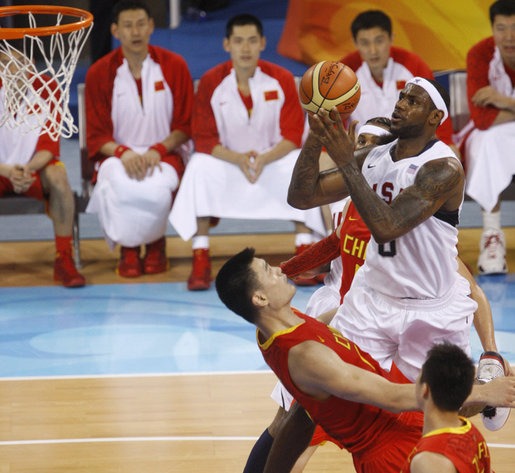
- High School: St. Vincent-St. Mary (Akron, Ohio)
- Draft Year: 2003 (1st overall by Cleveland Cavaliers)
LeBron James is arguably the most successful player to go straight from high school to the NBA. Considered one of the greatest players in basketball history, LeBron has won four NBA championships, four MVP awards, and has been selected to the All-Star team 19 times (as of 2024). His versatility, basketball IQ, and longevity have allowed him to break countless records, including becoming the NBA’s all-time leading scorer in 2023. LeBron’s decision to skip college revolutionized the way high school prospects were viewed.
2. Kobe Bryant
- High School: Lower Merion High School (Ardmore, Pennsylvania)
- Draft Year: 1996 (13th overall by Charlotte Hornets, traded to Los Angeles Lakers)
Kobe Bryant entered the NBA as a teenager and went on to become a global basketball icon. Over a 20-year career, Kobe won five NBA championships with the Los Angeles Lakers, earned two Finals MVP awards, and was an 18-time All-Star. Known for his "Mamba Mentality" and relentless work ethic, Kobe became one of the most prolific scorers in NBA history, finishing his career with over 33,000 points. His 81-point game in 2006 is one of the greatest scoring performances in league history.
3. Kevin Garnett
- High School: Farragut Academy (Chicago, Illinois)
- Draft Year: 1995 (5th overall by Minnesota Timberwolves)
Kevin Garnett made history as the first player in 20 years to jump directly from high school to the NBA when he was drafted in 1995. Garnett’s incredible athleticism and defensive prowess earned him one NBA championship (2008 with the Boston Celtics), an MVP award (2004), and 15 All-Star selections. Known for his intensity and leadership, Garnett was one of the best power forwards in NBA history and remains a beloved figure for his contributions to the game.
4. Dwight Howard
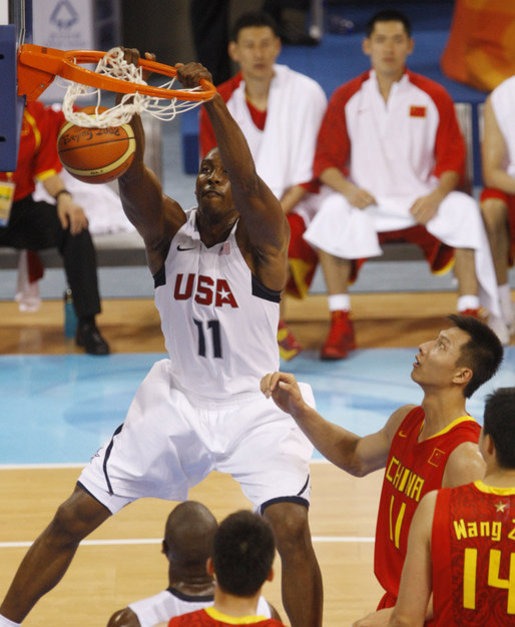
- High School: Southwest Atlanta Christian Academy (Atlanta, Georgia)
- Draft Year: 2004 (1st overall by Orlando Magic)
Dwight Howard dominated the NBA as one of the most physically imposing centers of his generation. He won three NBA Defensive Player of the Year awards, made eight All-Star appearances, and led the Orlando Magic to the NBA Finals in 2009. Howard won his first NBA championship in 2020 with the Los Angeles Lakers, proving his longevity and impact on the court over 16 seasons.
5. Moses Malone
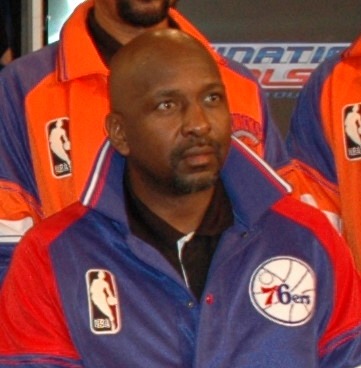
- High School: Petersburg High School (Petersburg, Virginia)
- Draft Year: 1974 (Utah Stars, ABA)
Moses Malone was the first player to make the jump from high school to professional basketball, starting his career in the ABA. After the ABA-NBA merger, Malone became a dominant force in the NBA, winning three MVP awards and leading the Philadelphia 76ers to an NBA championship in 1983. Known for his rebounding prowess, Malone was a 12-time All-Star and is considered one of the greatest centers in basketball history.
6. Tracy McGrady
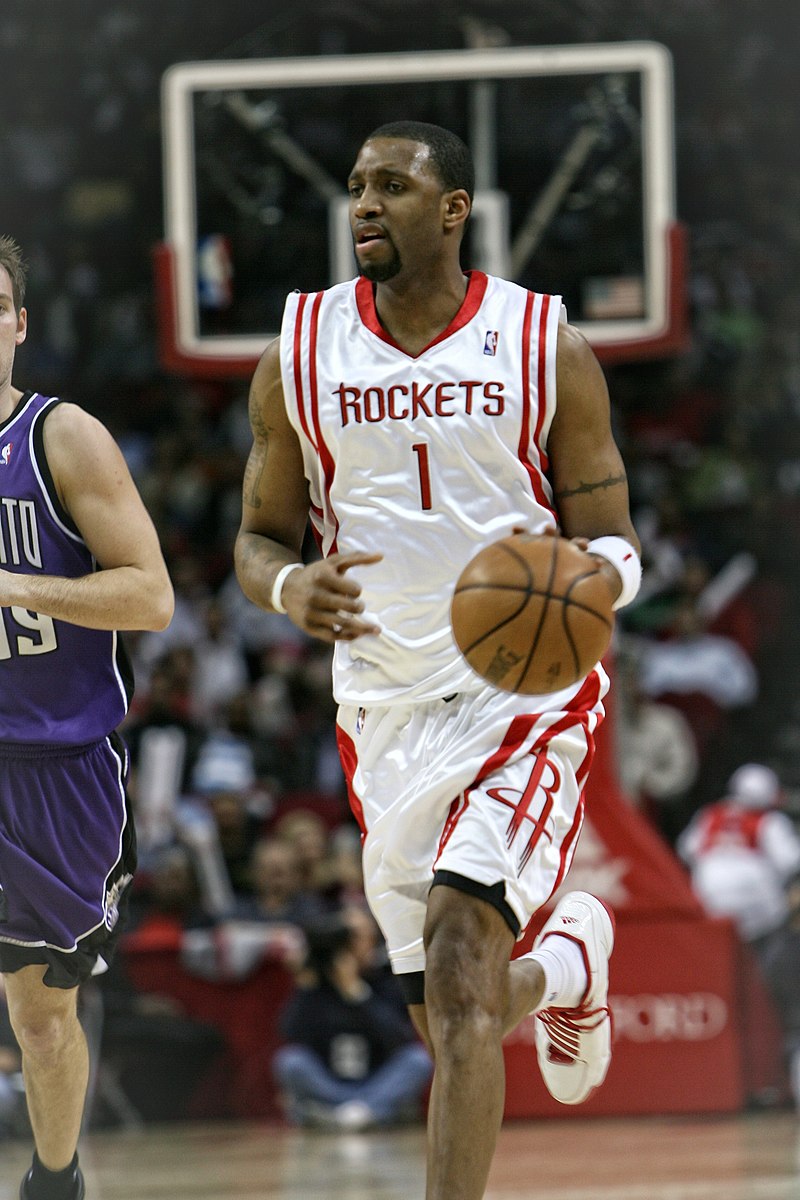
- High School: Mount Zion Christian Academy (Durham, North Carolina)
- Draft Year: 1997 (9th overall by Toronto Raptors)
Tracy McGrady’s career was highlighted by his scoring ability and versatility as a forward. A seven-time All-Star, McGrady won two scoring titles and was known for his ability to take over games with his offensive firepower. His most memorable moment came in 2004 when he scored 13 points in 33 seconds to lead the Houston Rockets to a miraculous comeback win. McGrady was inducted into the Hall of Fame in 2017, solidifying his place as one of the greatest players of his era.
7. Amar’e Stoudemire
- High School: Cypress Creek High School (Orlando, Florida)
- Draft Year: 2002 (9th overall by Phoenix Suns)
Amar’e Stoudemire entered the NBA and quickly became one of the most dominant power forwards of the 2000s. He won the NBA Rookie of the Year award in 2003 and was a six-time All-Star, known for his explosive athleticism and scoring ability. Stoudemire’s partnership with Steve Nash on the Phoenix Suns’ fast-paced "Seven Seconds or Less" offense made him one of the top players in the league, and his impact continued even after injuries slowed him later in his career.
8. Jermaine O’Neal
- High School: Eau Claire High School (Columbia, South Carolina)
- Draft Year: 1996 (17th overall by Portland Trail Blazers)
Jermaine O'Neal initially struggled for playing time early in his career with the Portland Trail Blazers, but after being traded to the Indiana Pacers, he blossomed into an All-Star. O'Neal was a six-time All-Star and one of the best defensive big men of his generation. He helped lead the Pacers to the Eastern Conference Finals multiple times and was one of the most consistent centers in the NBA during the early 2000s.
9. Shaquille O’Neal
- High School: Cole High School (San Antonio, Texas)
- Draft Year: 1992 (1st overall by Orlando Magic)
Although Shaquille O’Neal technically attended LSU before entering the NBA, his dominance as a high school player positioned him as one of the most hyped prospects ever. O'Neal's sheer size, strength, and skill led him to a four-time NBA champion career, winning three titles with the Los Angeles Lakers and one with the Miami Heat. Shaq was a 15-time All-Star, three-time Finals MVP, and one of the greatest centers in NBA history.
10. Andrew Bynum
- High School: St. Joseph High School (Metuchen, New Jersey)
- Draft Year: 2005 (10th overall by Los Angeles Lakers)
Andrew Bynum became the youngest player to ever appear in an NBA game at 17 years old. While his career was shortened by injuries, Bynum was a two-time NBA champion with the Lakers (2009, 2010) and made an All-Star appearance in 2012. Known for his size and skill as a traditional center, Bynum played a key role in the Lakers’ championship runs alongside Kobe Bryant and Pau Gasol.
Age Requirement Changes in the NBA
In 2005, the NBA introduced a minimum age requirement of 19 for draft entrants, paving the way for the One-and-Done Rule implemented in 2006. This rule mandates that players must be at least one year removed from high school before entering the NBA Draft. Consequently, young talents must spend at least one year playing in college or a professional league overseas before becoming eligible for the NBA.
Before these changes, high school players like Kevin Garnett, Kobe Bryant, and LeBron James successfully transitioned directly to the NBA, showcasing their talent and making significant impacts early in their careers. The minimum age requirement was introduced to provide crucial development time, allowing players to mature both physically and mentally before facing the rigors of a professional league.
Critics argue that this requirement restricts opportunities for talented young players who are ready for the NBA straight out of high school. Supporters, however, believe it ensures that players are better prepared for the professional level, resulting in a more polished and competitive league. The last NBA Draft allowing high school entries occurred in 2005, leading to a shift in scouting and recruitment strategies toward college-level talent.
Success Metrics of High School Draftees
Evaluating the success of high school players who transitioned directly to the NBA reveals their significant impact. Notable high school draftees like Kobe Bryant and Kevin Garnett have maintained impressive career averages of 25.0 PPG and 17.8 PPG, respectively, highlighting their consistent performance. Throughout NBA history, 41 high school players have been drafted, with three—Kwame Brown, LeBron James, and Dwight Howard—being selected first overall, underscoring their immense potential.
LeBron James and Amar'e Stoudemire exemplify immediate success, each winning the Rookie of the Year award, demonstrating their ability to make an instant impact. Additionally, players like Kevin Garnett, Kobe Bryant, and LeBron James have earned MVP awards, solidifying their elite status in the league. These accolades are clear indicators of their successful transition from high school to professional basketball.
Research indicates that high school draftees often outperform the average NBA player in key statistics, showcasing their capability to compete effectively at the highest level. Their success metrics, from Rookie of the Year awards to consistent career averages, illustrate their significant and impactful presence in the NBA.
Future Implications and Debates
Debates about the age and maturity requirements for NBA draft eligibility are intensifying, particularly concerning high school players deciding between entering the draft directly or playing college basketball. Since the 2005 rule mandated a minimum age of 19 and at least one year removed from high school, proponents argue that college basketball aids in player development, providing essential experience. However, with the legalization of NIL (Name, Image, and Likeness) deals, high school players can now profit financially, making college basketball a more attractive option.
Historical data indicates that high school draftees often outperform their average NBA counterparts, underscoring the need for structured development pathways. Iconic players like LeBron James and Kobe Bryant, who transitioned successfully from high school to the NBA, demonstrate the potential benefits of allowing younger talent into the league. Their achievements continue to influence talent evaluation and drafting strategies.
The legacy of these high school draftees fuels ongoing discussions about player readiness for the professional level. NBA franchises must carefully consider these factors in their drafting strategies, balancing immediate impact with long-term development. As the debate evolves, the implications for future high school players and their paths to the NBA will remain a crucial point of discussion.