Oklahoma City Thunder's Retired Numbers: Remembering Sonics and Thunder Legends
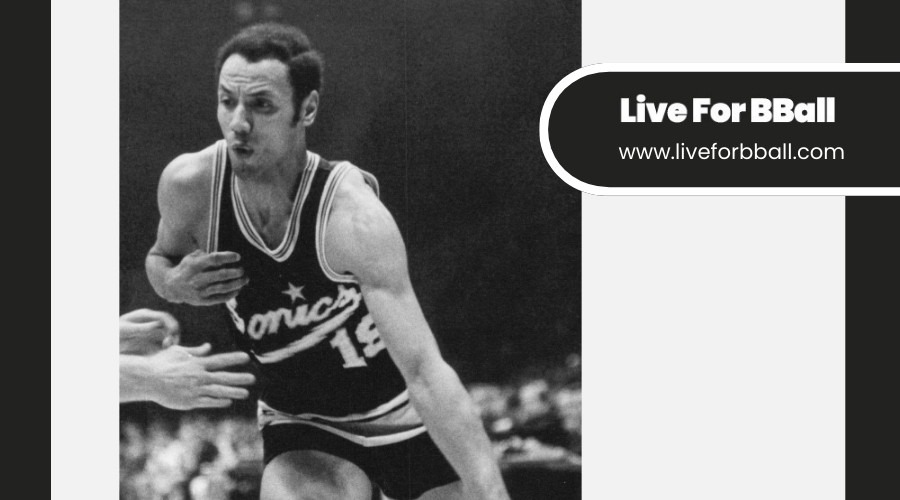
When you look at the Oklahoma City Thunder's retired numbers, you're really looking at a story of two intertwined basketball legacies. One is the vibrant history of the Seattle SuperSonics, where championships were won, and legends were born. The other is the newer, emerging identity of the Thunder, who continue to honor these roots while building their own. Each jersey hanging in the rafters represents a player whose contributions went far beyond the court. Here's a closer look at the players and their unforgettable numbers.
#1 Gus Williams
Gus Williams—dubbed "The Wizard" for good reason—is one of the most electrifying players in SuperSonics history. His jersey, #1, isn't just a piece of fabric; it's a reminder of what he brought to the game. Over 477 games with the Sonics, Williams was a consistent offensive powerhouse, averaging an impressive 20.3 points, 6.0 assists, and 2.3 steals per game.
The 1979 playoffs were where Williams truly etched his name into basketball lore. As the Sonics' leading scorer, he racked up 454 points and was the undeniable catalyst for the team's first (and only) NBA championship. His ability to perform under pressure was a gift to Seattle fans and left a legacy that's hard to match. Even after the franchise's move to Oklahoma City, Williams' #1 jersey remains a shining symbol of excellence and perseverance.
#4 Nick Collison
View this post on Instagram
If there's one player who epitomizes what it means to be a team player, it's Nick Collison. His #4 jersey, the first number officially retired by the Oklahoma City Thunder, is a testament to his loyalty and unselfish play. Collison spent his entire 15-year career with the franchise, transitioning seamlessly from Seattle to Oklahoma City. While his career averages—5.9 points and 5.2 rebounds per game—might not jump off the page, it's the intangibles that made Collison indispensable. Whether he was setting a bone-crushing screen or diving for a loose ball, Collison's hustle and heart were always on full display. His retirement ceremony in 2019 wasn't just about the numbers; it was about celebrating a player who embodied everything the Thunder wanted to stand for: hard work, loyalty, and selflessness. Nate McMillan's #10 jersey tells the story of a player who gave his heart and soul to the Seattle SuperSonics. Known affectionately as "Mr. Sonic," McMillan spent all 12 years of his playing career with the team, suiting up for 796 games and earning a reputation as one of the best defensive guards in the league. McMillan's stats—5.9 points and 6.1 assists per game—might not paint the full picture, but his contributions on defense were monumental. In 1994, he led the league in steals, showcasing his uncanny ability to anticipate and disrupt opponents' plays. His post-playing career as a successful coach only solidifies his legacy, making the retirement of his #10 jersey a fitting tribute to a player who was truly all-in for Seattle. Lenny Wilkens' #19 jersey is special for so many reasons. Not only was he a stellar point guard during his playing days, averaging 19.5 points, 5.0 rebounds, and 9.0 assists per game for the Sonics, but he also led the team to their only NBA championship as head coach in 1979. Wilkens' strategic mind and calm demeanor helped Seattle achieve the ultimate basketball dream, and his rare Hall of Fame status as both a player and coach underscores just how remarkable his contributions were. His #19 jersey represents leadership, innovation, and excellence in every sense. Spencer Haywood's #24 jersey is a tribute to a player who completely dominated during his time with the SuperSonics. Over five seasons, Haywood averaged 24.9 points and 12.1 rebounds per game—a jaw-dropping stat line that earned him four straight All-Star selections. Haywood wasn't just a player; he was a game-changer. His presence in the paint and his ability to take over games made the Sonics competitive in the Western Conference. By honoring his #24 jersey, the Thunder recognize a player who helped lay the foundation for the franchise's future success. Fred Brown's #32 jersey is a testament to loyalty and long-range shooting brilliance. Nicknamed "Downtown" for his deadly accuracy from deep, Brown spent all 13 years of his career with the Sonics, becoming a cornerstone of the franchise. He averaged 14.6 points per game and had an incredible free-throw percentage of 85.8%. The 1979 championship run wouldn't have been the same without Brown's contributions. His ability to hit clutch shots in critical moments solidified his legacy as one of Seattle's most beloved players. The retirement of his #32 jersey ensures that his legacy will live on for generations. Jack Sikma's #43 jersey celebrates a player who redefined the center position with his unique skill set. During his nine seasons with the SuperSonics, Sikma averaged 16.8 points and 10.8 rebounds per game and earned seven consecutive All-Star nods. Sikma's patented step-back jumper and dominance on the boards made him a nightmare for opponents. Beyond the numbers, Sikma was a leader and a professional who set the tone for his team. His Hall of Fame induction in 2019 was a fitting acknowledgment of his incredible career, and the retirement of his #43 jersey ensures his contributions won't be forgotten. Bob Blackburn's name might not be on a jersey, but his impact on the franchise is undeniable. As the first broadcaster for the SuperSonics, Blackburn brought the team's greatest moments to life for fans across the Pacific Northwest. His passion and dedication to the franchise made him a beloved figure, and his recognition by the team serves as a reminder that legends exist both on and off the court. While the Thunder have honored many legends, the absence of Gary Payton (#20) and Shawn Kemp (#40) from the retired jerseys list is a sore spot for many fans. These two players defined the SuperSonics' golden era in the 1990s, leading the team to the NBA Finals in 1996. Payton, known as "The Glove," was one of the best defensive guards in NBA history, while Kemp's high-flying dunks made him a fan favorite. Their contributions to the franchise are undeniable, and their exclusion from the rafters continues to spark debate among fans and historians alike. The Thunder's decision to honor the retired numbers from their Seattle days reflects a complicated relationship between two cities. For Oklahoma City, these numbers are a link to the franchise's origins. For Seattle, they're a bittersweet reminder of what was lost. As the NBA grows and evolves, questions about how to handle shared legacies like this will remain. Should these numbers return to Seattle if the city gets a new team? Or should they remain in Oklahoma City as part of the franchise's history? Until those questions are answered, these jerseys will continue to serve as a bridge between two passionate basketball fanbases.#10 Nate McMillan
#19 Lenny Wilkens
#24 Spencer Haywood
#32 Fred Brown
#43 Jack Sikma
Honoring Bob Blackburn
Notable Absences: Payton and Kemp
Bridging Two Cities
Related posts