Should You Invest in OG Sneakers? A Guide for Sneaker Enthusiasts

When it comes to investments, sneakers might not be the first thing to cross your mind. Yet, OG sneakers have become a unique opportunity for those who know their value. Whether you're a seasoned collector or someone curious about this booming market, understanding OG sneaker investing can lead to exciting opportunities and solid returns.
This guide breaks down the essentials—from understanding the value of OG sneakers to preserving and building your collection. Let's get into it!
Step 1: Understand the OG Sneaker Market
OG sneakers—short for "Original"—refer to the first release of a specific sneaker model or colorway. These are much more than shoes; they're closely tied to sports history, pop culture, and fashion revolutions. For instance, the Air Jordan 1 Chicago, which debuted in 1985, didn't just change basketball footwear—it became an icon that still defines streetwear today.
Why are OG sneakers so valuable?
- Scarcity: OG sneakers often had limited production runs or were discontinued, making them rare finds. When demand outweighs supply, prices surge. Think of it this way: owning a pair of OG Yeezy 2 Red Octobers is like holding a piece of treasure.
- Cultural Significance: Sneakers like the Nike Air Mag from Back to the Future or Air Jordans worn by Michael Jordan in iconic games are not just footwear; they're tied to legendary moments that resonate with fans and collectors.
- Rising Demand: The sneaker resale market is growing rapidly, projected to hit $30 billion by 2030. With more people recognizing the cultural and monetary value of OG sneakers, demand continues to skyrocket.
Popular OG Sneakers: Iconic Kicks That Defined Sneaker Culture
View this post on Instagram
Certain OG sneakers have left an indelible mark on culture. Here are some that defined the scene:
- Air Jordan 1 Chicago (1985): The sneaker that kickstarted both basketball and streetwear revolutions. Its iconic red, black, and white design remains a favorite.
- Nike Air Max 1 (1987): Introduced visible air technology, blending performance with style. It became a cultural staple in both running and casual wear.
- Adidas Superstar (1969): From basketball courts to hip-hop stages, the Superstar's clean design and cultural relevance made it legendary.
- Nike Air Mag (1989): Made famous by Back to the Future Part II, this futuristic sneaker is a collector's dream.
- Yeezy Boost 350 (2015): Kanye West's partnership with Adidas brought sleek, minimalist designs that reshaped modern sneaker culture.
- Reebok Pump (1989): Known for its inflatable fit system, the Reebok Pump became a basketball classic and a nostalgic favorite.
- Puma Clyde (1973): Popularized by basketball star Walt "Clyde" Frazier, this sneaker blended performance and street style.
- Converse Chuck Taylor All Star (1920s): A timeless classic, it transitioned from basketball courts to a global casual wear staple.
- New Balance 990 (1982): A trailblazer for performance running shoes, it became an icon of premium quality and comfort.
- Nike Dunk SB Low "Pigeon" (2005): This limited release sparked sneakerhead frenzy and solidified the Dunk SB line's cultural impact.
Step 2: Know Why OG Sneakers Hold Value
What makes OG sneakers a worthwhile investment? Let's break it down:
- Limited Availability: Many OG models were released in small batches, making them highly sought after today. The Air Jordan 1 Chicago or the Nike Yeezy Red October are prime examples of sneakers that became rare commodities simply because of how few were made.
- Cultural Impact: OG sneakers often represent moments that shaped sports, music, or fashion. Michael Jordan's Air Jordans brought basketball and streetwear together, while collaborations like Kanye West's Yeezys introduced sneakers as high fashion. These cultural links keep the demand high and sustained.
- Condition and Nostalgia: Deadstock pairs—unworn sneakers in their original packaging—are particularly prized. They offer collectors a chance to own a piece of history in its purest form, and their untouched nature makes them top-tier investments.
Step 3: Learn to Spot Authentic Vintage Sneakers

In the world of OG sneakers, authenticity can make or break your investment. Counterfeits are a significant issue, but these steps can help you avoid costly mistakes:
- Packaging Details: Original boxes often include factory labels, serial codes, and production dates unique to that release. Always check that the font, alignment, and spacing match what's known for the sneaker's production period.
- Materials and Stitching: Genuine OG sneakers are made with premium materials. Examine the stitching—it should be even and consistent. Counterfeits often fail to replicate the finer details, like leather texture or mesh quality.
- Logos and Branding: Small inconsistencies in logos—like incorrect colors, blurry edges, or slight misplacements—can signal a fake. Cross-check with trusted sources or photos of verified authentic pairs.
- Use Professional Authentication Services: Trusted platforms like StockX and GOAT employ experts who verify sneakers for authenticity. These services analyze details such as the construction, materials, and historical accuracy, ensuring your purchase is legitimate.
Step 4: Master Storage and Preservation Techniques
Proper storage is essential to maintain your OG sneakers' value. Even the most coveted pair will lose its appeal if it's damaged or discolored. Here's how to store your collection effectively:
- Climate Control: Store sneakers in a cool, dry space. Extreme temperatures or humidity can cause materials like leather or rubber to crack or warp over time. Basements and attics are often risky due to fluctuating conditions.
- Use Archival-Quality Materials: Acid-free tissue paper and sturdy archival boxes help prevent discoloration and protect against dust. Silica gel packets inside the boxes can also absorb moisture and prevent mold growth.
- Avoid UV Exposure: Direct sunlight is a sneaker's worst enemy. It fades colors and weakens materials, so always store your collection in a dark place or use UV-blocking covers for display cases.
- Inspect Regularly: Periodic checks ensure that your sneakers remain in good condition. Look for early signs of yellowing or cracking and address these issues immediately to preserve value.
Step 5: Choose the Best Platforms for Buying OG Sneakers

Finding the right marketplace is key to sourcing authentic OG sneakers at fair prices. Here are the top platforms to consider:
- StockX: A favorite for its transparent pricing and thorough authentication process. StockX provides real-time market data, allowing you to track trends and make informed purchasing decisions.
- GOAT: Known for its curated inventory and detailed verification services, GOAT is an excellent option for rare releases and collectible models.
- Flight Club: With physical stores and an online presence, Flight Club caters to buyers who appreciate a mix of in-person and digital experiences. It's particularly well-known for its premium sneaker offerings.
- eBay: Once the go-to marketplace for sneakers, eBay has stepped up its game with an authentication program. However, always vet sellers by checking ratings and reviews before making a purchase.
Step 6: Set a Pricing Strategy for Maximum Returns
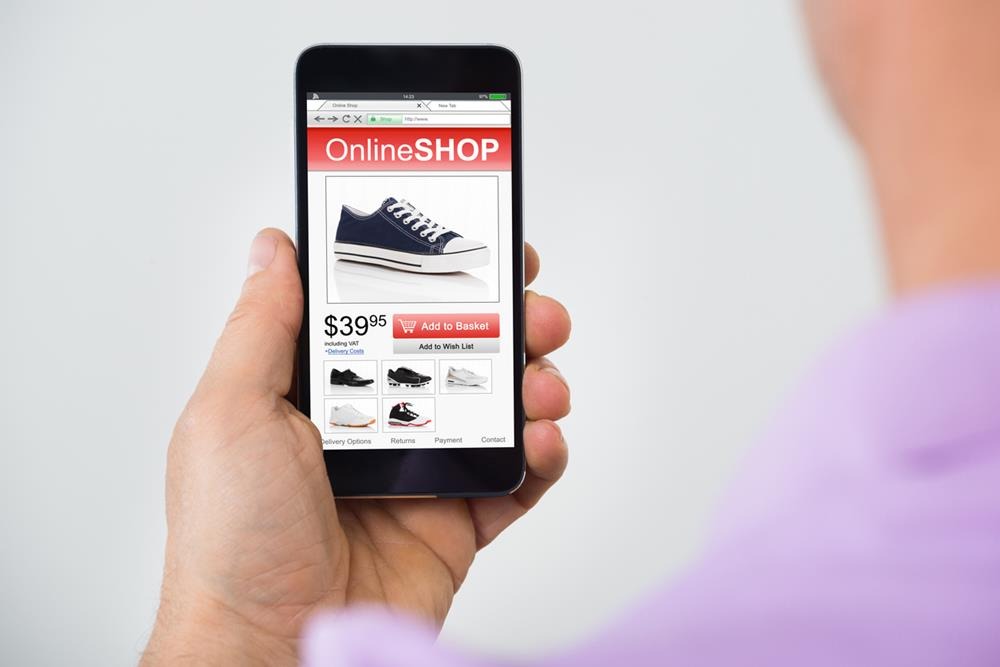
Reselling OG sneakers involves more than slapping on a price tag. Strategic pricing can significantly impact your returns:
- Research Market Trends: Use tools like StockX to analyze historical pricing data and market demand. Understanding how prices fluctuate over time helps you choose the right moment to sell.
- Highlight Unique Features: Emphasize what makes your sneakers special—whether it's a rare collaboration, limited production run, or pristine condition. These attributes add significant value.
- Create Professional Listings: Include high-quality photos from multiple angles and provide detailed descriptions. Honesty is critical; mentioning minor imperfections builds trust with potential buyers.
- Adjust Prices When Needed: Be flexible and willing to revise your pricing based on changing market trends. A sneaker's value can spike due to media attention or celebrity endorsements.
Step 7: Build a Collection That Increases in Value
Building a valuable OG sneaker collection requires a mix of strategy and passion. Here's how to do it right:
- Focus on Iconic Models: Start with staples like Air Jordans, Nike Dunks, or Yeezys. These models consistently hold or increase in value due to their enduring popularity.
- Diversify Your Collection: Don't put all your money into a single model or brand. Explore different styles, eras, and collaborations to spread risk and appeal to various collectors.
- Document Everything: Keep detailed records, including receipts, authentication certificates, and photos of the original packaging. Proper documentation enhances resale credibility and value.
- Network with Collectors: Join online forums, attend sneaker events, and connect with resellers. Networking can give you insider access to rare drops and valuable insights.
Step 9: Stay Updated on Market Trends
The sneaker market is constantly evolving, so staying informed is crucial:
- Track Collaborations: Limited-edition releases often spark demand. Keep tabs on partnerships involving designers, artists, and athletes.
- Follow Sneaker News: Blogs, forums, and social media channels provide insights into upcoming releases and trends.
- Engage with the Community: Sneaker events and online groups are great for learning what collectors are excited about, giving you an edge in predicting market movements.
Step 10: Manage Risks and Protect Your Investment
Every investment comes with risks. Here's how to minimize them in the sneaker market:
- Diversify Your Portfolio: Don't put all your resources into one model or brand. A diverse collection helps mitigate potential losses.
- Authenticate Every Purchase: Counterfeits can ruin your investment. Use trusted platforms or professional services to verify every pair.
- Store Sneakers Properly: Poor storage can devalue even the rarest sneakers. Follow best practices to maintain their condition and appeal.
- Track Expenses and Taxes: Maintain clear records of purchases, sales, and associated costs to simplify financial planning and tax reporting.
Step 11: Network with the Sneaker Collector Community
Building connections within the sneaker world can unlock valuable opportunities:
- Join Social Media Groups: Instagram and Reddit are hubs for sneaker enthusiasts to share tips and showcase collections.
- Attend Conventions: Events like Sneaker Con are ideal for networking with industry insiders and finding exclusive deals.
- Contribute to Forums: Sharing knowledge and engaging with other collectors helps build your reputation and gain new insights.
Conclusion
Investing in OG sneakers isn't just about profits; it's about celebrating a culture and history that inspires millions. By following this guide, you'll be ready to navigate the market, preserve your collection, and enjoy the journey.
Ready to get started? Lace up and begin building your OG sneaker collection today!