The Role of Communication Between Defenders During High-Pressure Games
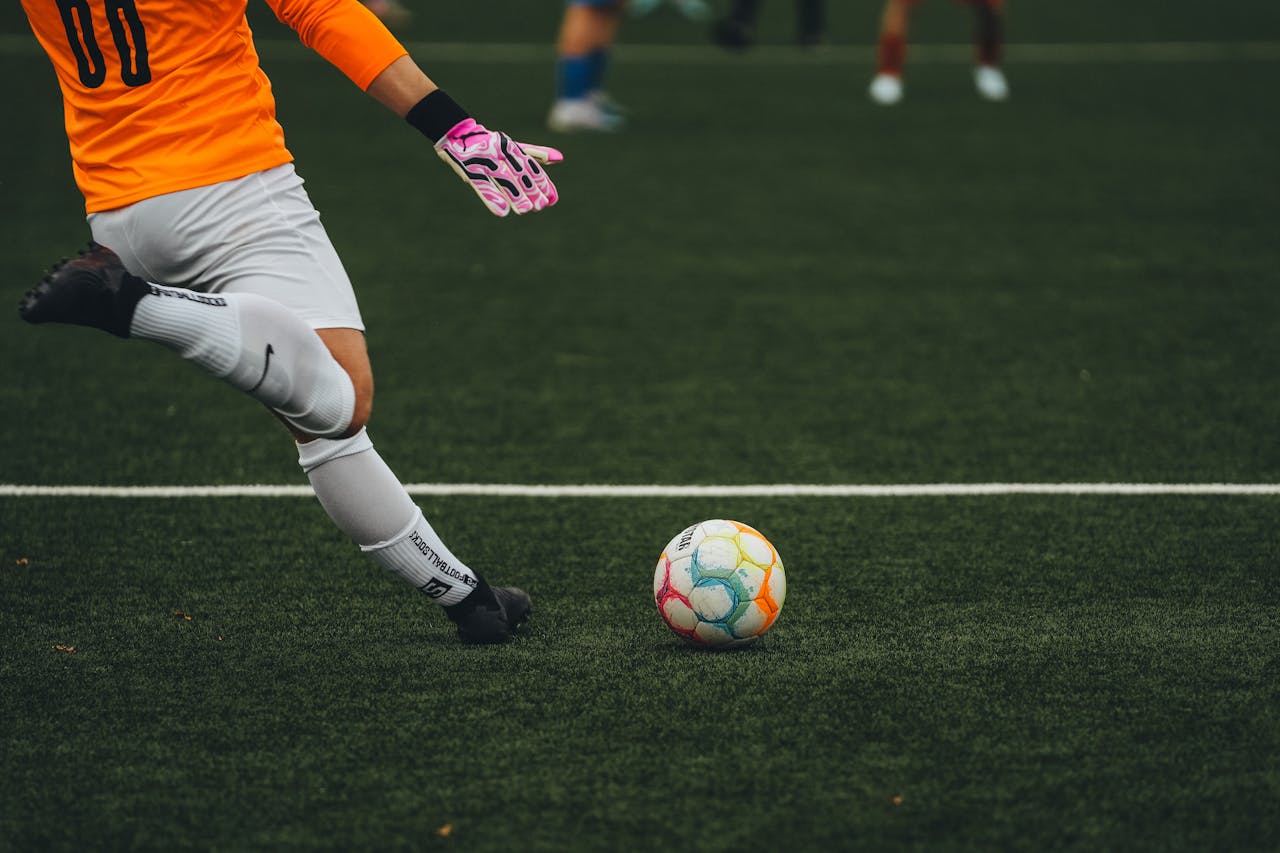
In high-pressure games, defending is not only about tackles and blocks. Defenders also need to talk to each other. A quick shout can help stop danger early. Good communication helps defenders stay organized. It also helps them move together when the game gets fast.
Pressure Makes Silence Dangerous
Pressure changes everything. The crowd is loud. The opponent is pushing forward. Midfielders may be tired. The ball may keep coming back into dangerous areas. In those moments, silence can create confusion. A defender who does not speak may leave a teammate guessing. Should they step forward? Should they cover the runner? Should they drop deeper? One second of doubt can be enough for a striker to attack space.
The Leader At The Back
Most strong defenses have one player leading the group. This is usually a center-back or goalkeeper. That player watches the defense and keeps talking to teammates. They do not wait for danger to happen. They give instructions early and help players stay in the right position when playing at Slotrave online casino. A calm leader also helps the whole team stay focused. When defenders hear a steady voice behind them, they feel less alone. That matters in close games.
Body Language Also Speaks
Defenders use hand signals, eye contact, and movement. A simple hand signal can tell a teammate to move forward. A pointed finger can show where the runner is. A quick glance can confirm a switch in marking. Body language matters even more in loud stadiums. Sometimes a teammate cannot hear a command clearly. A strong gesture can support the message. It makes the instruction easier to understand. But body language can also hurt the team. Throwing arms up after a mistake can create tension. Blaming a teammate in front of everyone can damage trust. Good defenders correct problems without breaking confidence.
Trust Is Built Before The Big Match
Defensive communication does not start on match day. It starts in training. Players learn each other’s habits over time. They learn who likes to step forward. They learn who needs early warnings. They learn how the goalkeeper speaks. Training builds shared understanding. When defenders repeat the same situations many times, their reactions become faster. They do not need to explain everything during a match. A short call is enough because the meaning is already clear.
Communication After Mistakes
Every defender makes mistakes. A missed header, a poor touch, or a lost runner can happen in any game. The key is what happens next. Strong defensive units respond quickly. They do not spend too much time blaming each other. They fix the shape, reset their focus, and prepare for the next attack. A simple “we go again” can help a player recover mentally.
The Difference Between Noise And Communication
Some teams shout a lot, but that does not always mean they communicate well. Noise can even make things worse. If every player is shouting different things, the message becomes unclear. Good communication has order. Players know who should speak in certain moments. The goalkeeper may control the box. The center-backs may control the line. The full-backs may guide wide pressure. This creates cleaner messages. The best defensive units do not talk just to sound active. They talk to solve problems.