Understanding Shoe Sizes for Men and Women: Your Complete Guide

Finding the perfect pair of shoes should feel like a triumph, not a puzzle. Yet, with so many sizing systems, differences between men's and women's sizes, and regional variations, it often feels like you need a map just to navigate the options. Whether you're shopping for athletic shoes, dress shoes, or anything in between, understanding shoe sizing is the first step to comfort, style, and performance. Let's dive into everything you need to know to crack the shoe-sizing code.
Understanding Shoe Sizing Systems
The world of shoe sizing isn't as straightforward as you might think. Men's and women's shoes use different sizing scales, and the numbers don't always align across brands or regions. Generally, men's sizes are about 1.5 to 2 sizes larger than women's sizes for the same foot length. For instance, if you wear a women's size 8, you'd likely fit into a men's size 6.5 or 7.
But why are there different systems in the first place? It boils down to anatomical differences. Men's feet tend to be wider and have different proportions than women's feet, which is why their shoes are designed with these variations in mind.
Common Size Ranges
- Men: Sizes typically range from 6 to 15.
- Women: Sizes typically range from 4 to 12.
For a more accurate fit, size conversion charts are your best friend, especially if you're shopping across genders or internationally. Keep in mind that brands often have slight variations, so always double-check the specific sizing chart for the shoe you're buying.
Measuring Your Feet Correctly
Knowing your exact foot measurements is crucial for finding shoes that fit well. Here's how to measure your feet accurately:
- Measure Later in the Day: Your feet tend to swell throughout the day, so measure them in the late afternoon or evening for the most accurate results.
- Wear Your Usual Socks: Put on the type of socks you'd normally wear with the shoes you're planning to buy.
- Trace and Measure: Stand on a piece of paper and trace the outline of each foot. Make sure the pencil is held straight and not angled.
- Take Two Measurements: Measure the length from your heel to your longest toe and the width at the widest part of your foot. Remember to measure both feet because one is often slightly larger than the other.
When choosing your size, always base it on the larger foot. Don't forget to consult the shoe brand's size chart and account for any differences in width or arch support needs.
Why Regular Measurement Matters
Foot size isn't static. Age, weight changes, pregnancy, or injuries can all alter the shape and size of your feet over time. Re-measure your feet at least once a year to ensure your shoes always fit comfortably.
Gender Differences in Shoe Sizes
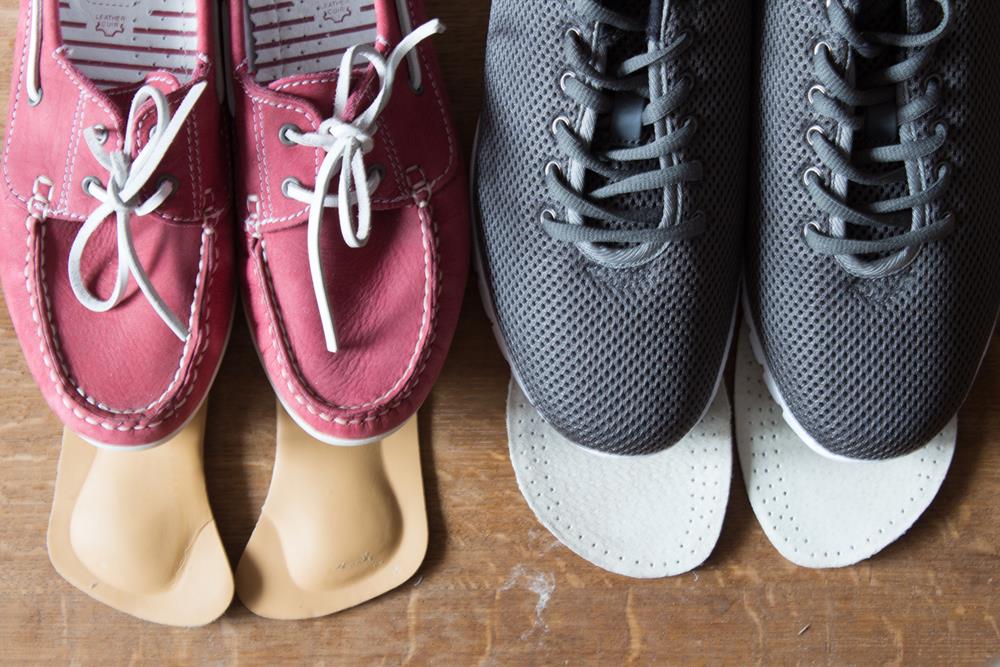
The difference between men's and women's shoe sizes isn't just about numbers; it's also about design. Women's shoes tend to have a narrower profile and higher arch support, while men's shoes are typically wider and bulkier. Here are a few tips for navigating gender-specific sizing:
- Size Conversions: Use a 1.5 to 2-size difference when converting between men's and women's sizes. For example, a women's size 9 usually corresponds to a men's size 7.5.
- Width Matters: Men's shoes are designed to be wider, which can be a bonus if you have broader feet. Conversely, women's shoes may feel snug if you're a man with narrow feet.
- Arch Support: Women's shoes often have higher arch support to accommodate the anatomical differences in foot structure.
If you're shopping across genders, prioritize foot length and width over the numerical size. Always try the shoes on, if possible, or use the brand's return policy to exchange for the right fit.
International Size Conversions
Shopping for shoes from different countries adds another layer of complexity. The U.S., UK, and European sizing systems each follow distinct rules, and they don't always translate neatly.
- U.S. Sizing: Separate systems for men and women, with a 1.5-size difference between genders.
- UK Sizing: Similar to U.S. sizing but usually one size smaller. For instance, a U.S. men's size 9 is roughly a UK size 8.
- European Sizing: A unisex system based on centimeters, making it somewhat more universal.
Tips for Shopping Internationally
- Always consult size charts provided by the brand or retailer.
- Pay attention to width options, as these can also vary between regions.
- When in doubt, measure your feet in centimeters and match them to the corresponding European size for a more accurate fit.
Width and Comfort Considerations
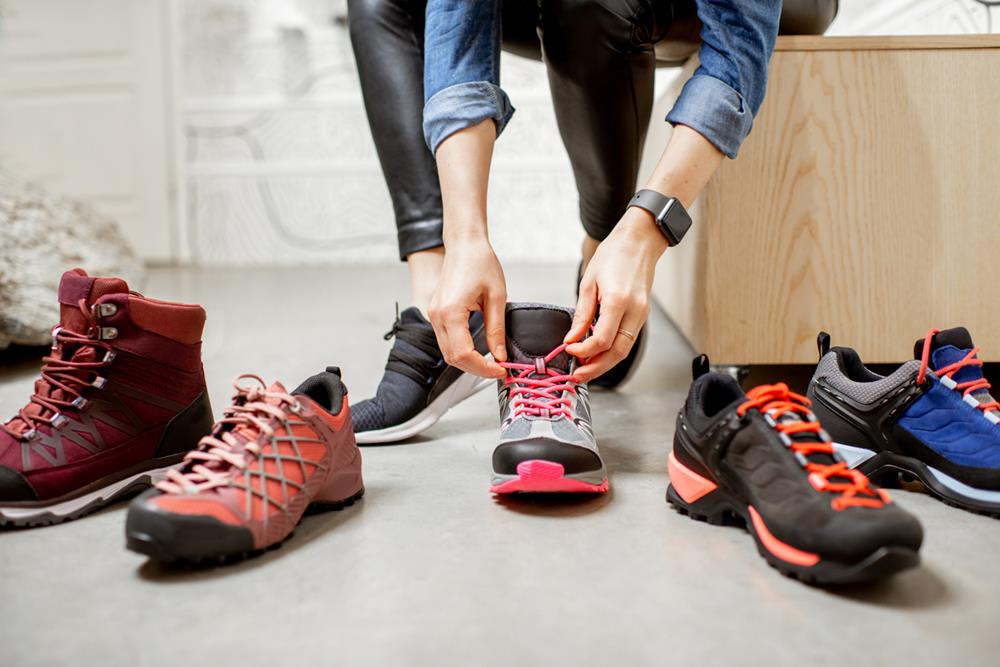
Shoe sizing isn't just about length; width plays a critical role in comfort and fit. Wearing shoes that are too narrow or too wide can lead to foot pain, blisters, and long-term issues like bunions or calluses.
Width Options
- Narrow: Ideal for slender feet.
- Regular (Medium): The standard width for most shoes.
- Wide and Extra-Wide: Perfect for broader feet or those seeking extra comfort.
Brands like New Balance, Brooks, and Kizik are known for offering wide-width options. Features like spacious toe boxes and cloud-like cushioning can make a world of difference, especially if you're on your feet all day.
Common Sizing Mistakes to Avoid

Even seasoned shoppers can make errors when it comes to shoe sizing. Here are some common pitfalls and how to avoid them:
- Ignoring Width: Don't assume a shoe will fit just because the length is right. Check the width to ensure comfort.
- Relying on Old Sizes: Your foot size can change over time. Measure your feet periodically.
- Skipping Brand-Specific Charts: Every brand has its own quirks. Always consult their size guide before purchasing.
- Overlooking Arch Support: Shoes without proper arch support can lead to discomfort and long-term foot problems.
- Guessing on International Sizes: Use conversion charts to avoid surprises when shopping globally.
Brand-Specific Size Variations
Not all shoes are created equal, and this is especially true when it comes to sizing. Brands like Nike, Adidas, and Vans often have slight variations in fit. Sustainable and newer brands may also approach sizing differently to cater to a wider audience.
Tips for Navigating Brand Variations
- Read Reviews: Customer feedback often highlights whether a brand's sizing runs large, small, or true to size.
- Try Before You Buy: If possible, visit a store to try on the shoes. For online shopping, ensure the retailer has a good return policy.
- Use Online Tools: Many brands now offer virtual fitting tools or detailed size guides to help you find the right fit.
Finding Your Perfect Fit
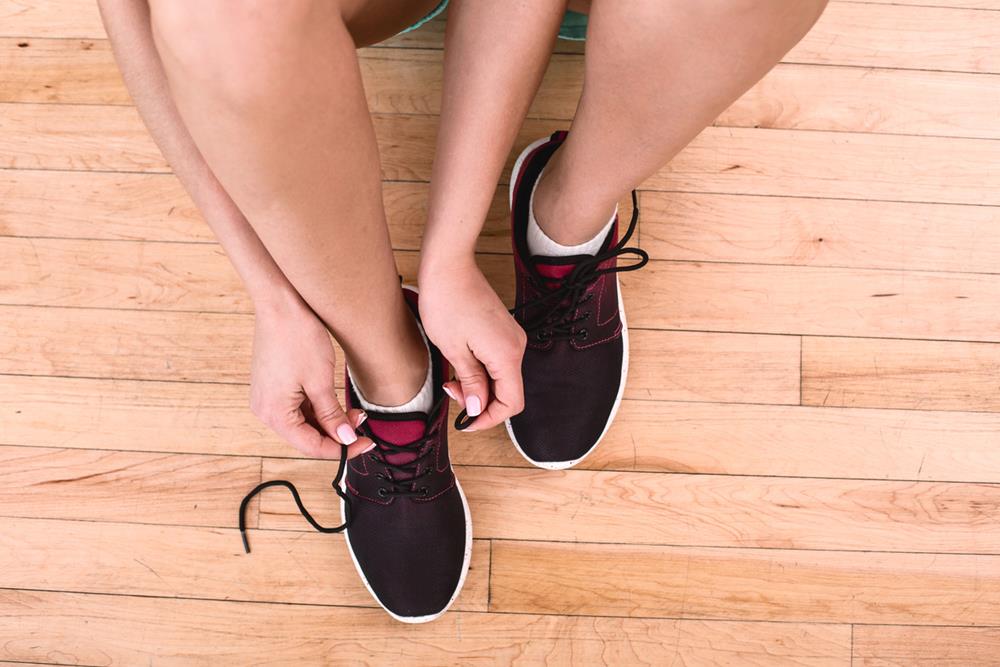
Success in shoe shopping boils down to understanding your measurements, preferences, and the specific sizing quirks of the shoes you're eyeing. Here's a quick checklist to ensure you get it right:
- Measure Your Feet: Both length and width, and always use the larger foot's size.
- Check the Brand's Chart: Don't rely on general conversion guides.
- Consider Width: Make sure the shoe's width matches your foot's shape.
- Account for Swelling: Shop later in the day for the most accurate fit.
- Prioritize Comfort: Don't sacrifice comfort for style. Shoes should feel good from the moment you put them on.
Conclusion
Understanding shoe sizes is the key to finding footwear that looks great and feels even better. By following these tips and taking the time to measure and research, you'll ensure every pair you buy fits like a glove (or a perfect shoe). Whether you're shopping for men's, women's, or unisex styles, comfort and support should always come first.