What Are the Most Unbelievable Events in Basketball History?
When considering the most unbelievable events in basketball history, it's impossible to overlook moments like Wilt Chamberlain's 100-point game or Michael Jordan's iconic "The Shot." Equally astounding are the origins of the NBA and the revolutionary impact of the slam dunk. Bill Russell's pioneering role as a player-coach and the evolution of women's basketball also stand out as transformative milestones. Additionally, the Harlem Globetrotters' long-standing rivalry with the Washington Generals has entertained fans for decades. These highlights only scratch the surface of basketball's rich and fascinating history.
Michael Jordan's Early Setback
Michael Jordan's early setback is a story that is both surprising and inspiring. As a sophomore, Jordan famously failed to make his high school basketball team, a moment that could have discouraged many. Instead, this future NBA legend used the setback as a pivotal moment in his life. When he saw his name missing from the team list, he didn't give up; he felt a surge of determination.
You might think missing out on the sophomore team would derail his ambitions, but Jordan's resilience shone through. He spent countless hours perfecting his skills, fueled by that initial rejection. Throughout his career, Jordan often acknowledged missing over 9,000 shots and losing more than 300 games. Rather than seeing these as failures, he viewed them as opportunities to grow stronger.
Jordan's path from that early setback to becoming a six-time NBA champion is a testament to his incredible resilience. His story shows how setbacks can be transformed into motivation, pushing you to achieve greatness. Michael Jordan didn't just become an NBA player; he became a legend, proving that resilience in the face of adversity can lead to extraordinary success.
History of the Slam Dunk
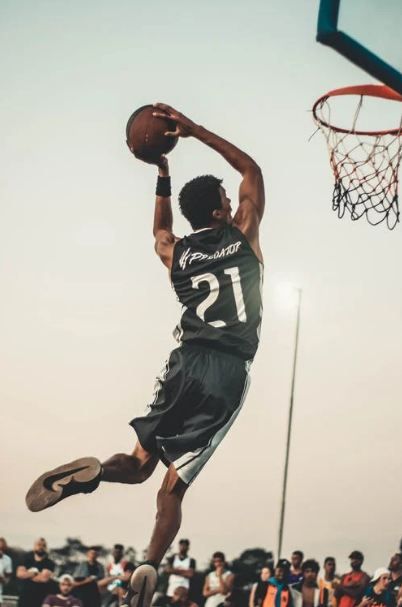
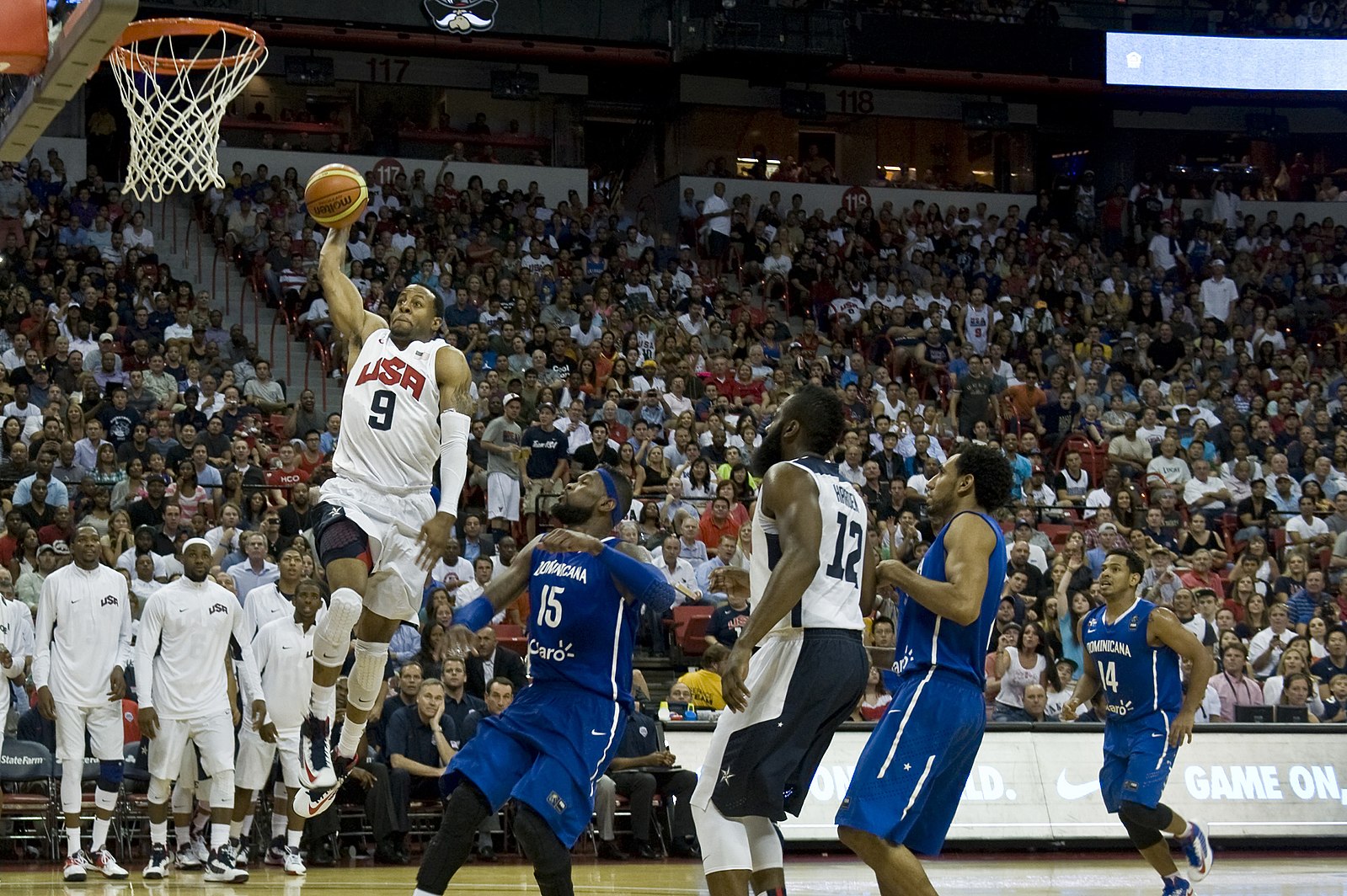
In the world of basketball, the slam dunk is one of the most electrifying and celebrated moves. The first recorded dunk dates back to 1936, performed by Joe Fortenberry during an Olympic game. Initially viewed as disrespectful, dunks were banned in the NCAA during the 1960s, a restriction that lasted until 1976. This ban's lifting coincided with the rise of iconic players like Julius Erving and Michael Jordan, who popularized the slam dunk and transformed it into a defining feature of the game.
The NBA All-Star Slam Dunk Contest, first held in 1984, became a staple of basketball history and an annual showcase of creativity and athleticism. This event has produced unforgettable moments and has become a highlight of the NBA All-Star Weekend. Each year, players compete to outdo each other with increasingly inventive and gravity-defying dunks.
Over time, the slam dunk has evolved from a simple scoring method into a celebrated art form in basketball. Players now use a variety of techniques and styles, each adding their unique flair. The slam dunk's evolution reflects the sport's dynamic nature, continually pushing the boundaries of athletic achievement and entertainment.
Bill Russell: Pioneering Coach
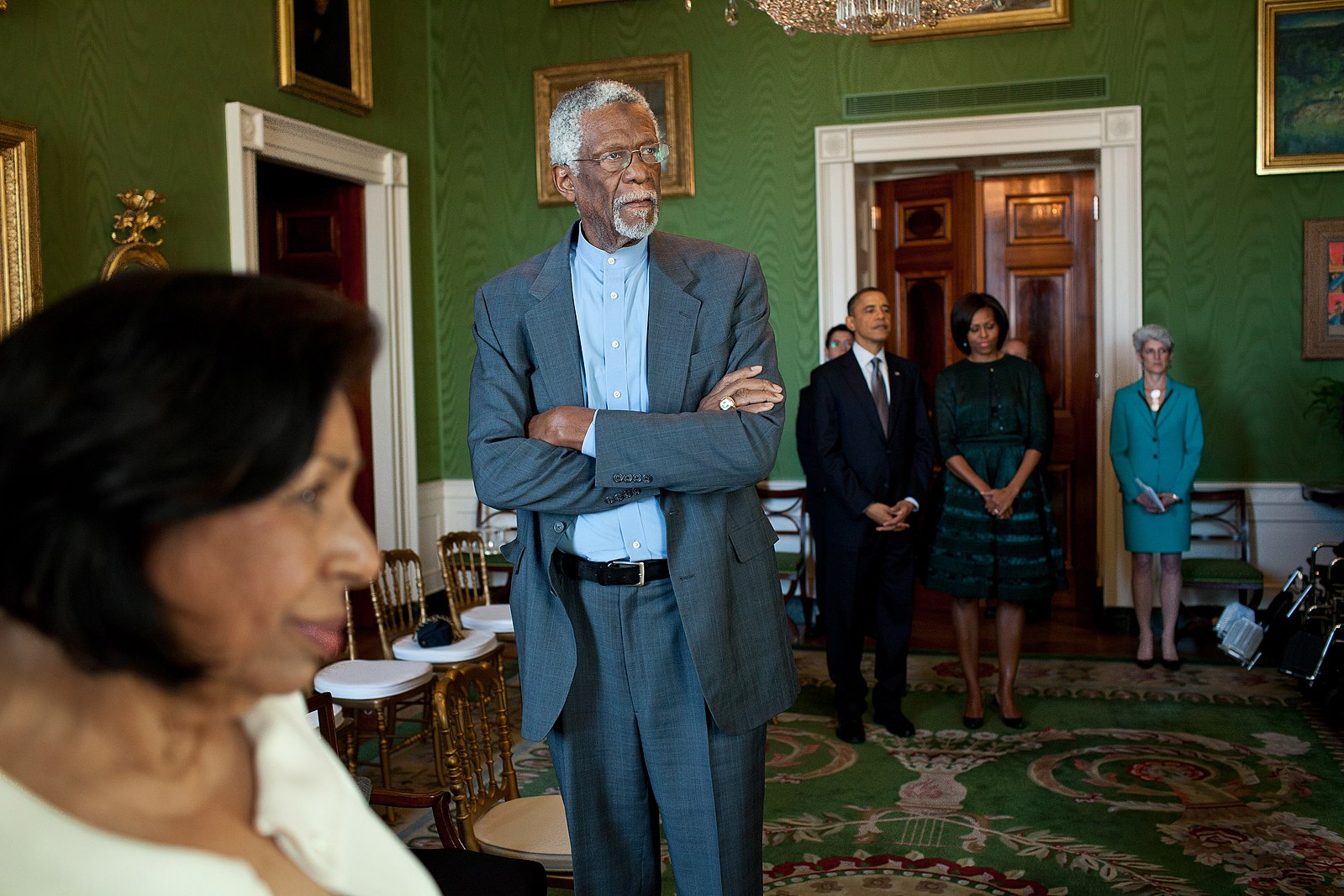
During the transformative period of the 1960s, Bill Russell broke barriers by becoming the first African-American head coach in NBA history. In 1966, Russell took on the dual role of player-coach for the Boston Celtics, marking a groundbreaking achievement during a time of significant racial change in America. This move set a precedent for future diversity in coaching roles within professional sports.
Under Russell's leadership, the Celtics won two NBA championships in 1968 and 1969. His success wasn't just about the titles; he believed in hiring based on skills and performance rather than race, advocating for meritocracy in team management and coaching positions. This approach not only brought success on the court but also set an example for future generations.
Beyond his coaching accolades, Russell's impact extended into civil rights. He used his platform to advocate for social justice, making him an influential figure both in and out of the sports world. Russell's pioneering role as a head coach and his commitment to civil rights work together to make his story one of the most remarkable events in basketball history.
Women's Basketball Evolution
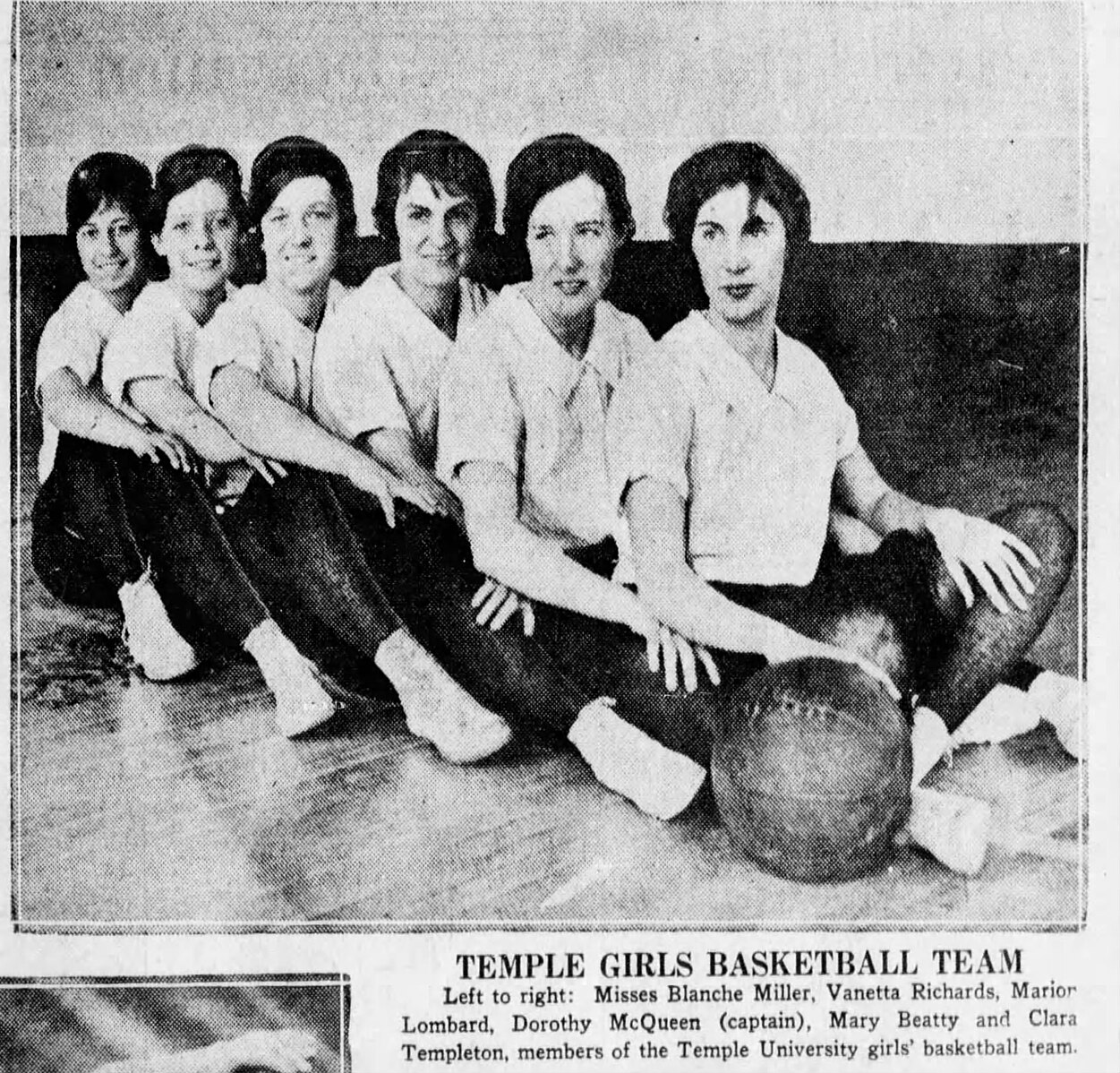
Women's basketball has evolved significantly since its recognition as an Olympic sport in 1976. The establishment of the WNBA in 1996 provided a major platform for female athletes, enhancing the sport's visibility and driving its popularity. These milestones have been pivotal in shaping the thriving landscape of women's basketball today.
Olympic Inclusion Milestone
In 1976, the world witnessed a historic moment at the Montreal Games with the official inclusion of women's basketball as an Olympic sport. This milestone was pivotal for the evolution of women's basketball, offering female athletes a global platform to display their skills and athleticism. The USA Women's Basketball team quickly showcased their dominance by winning multiple gold medals in subsequent Olympic Games.
The launch of the Women's National Basketball Association (WNBA) in 1996 further cemented women's basketball in the public eye. The WNBA provided a professional arena for women to compete at the highest level, ensuring the sport's growth and sustainability. It has highlighted the talent and dedication of female athletes and inspired a new generation of players and fans.
Recognition and support for women's basketball have continued to rise, evidenced by increased participation and viewership. This shift towards gender equality in sports underscores the significance of the Olympic inclusion milestone. By embracing women's basketball as an Olympic sport, the world acknowledged the legitimacy and potential of female athletes, paving the way for future achievements and inspiring countless young women to pursue their basketball dreams.
Harlem Globetrotters Vs. Washington Generals
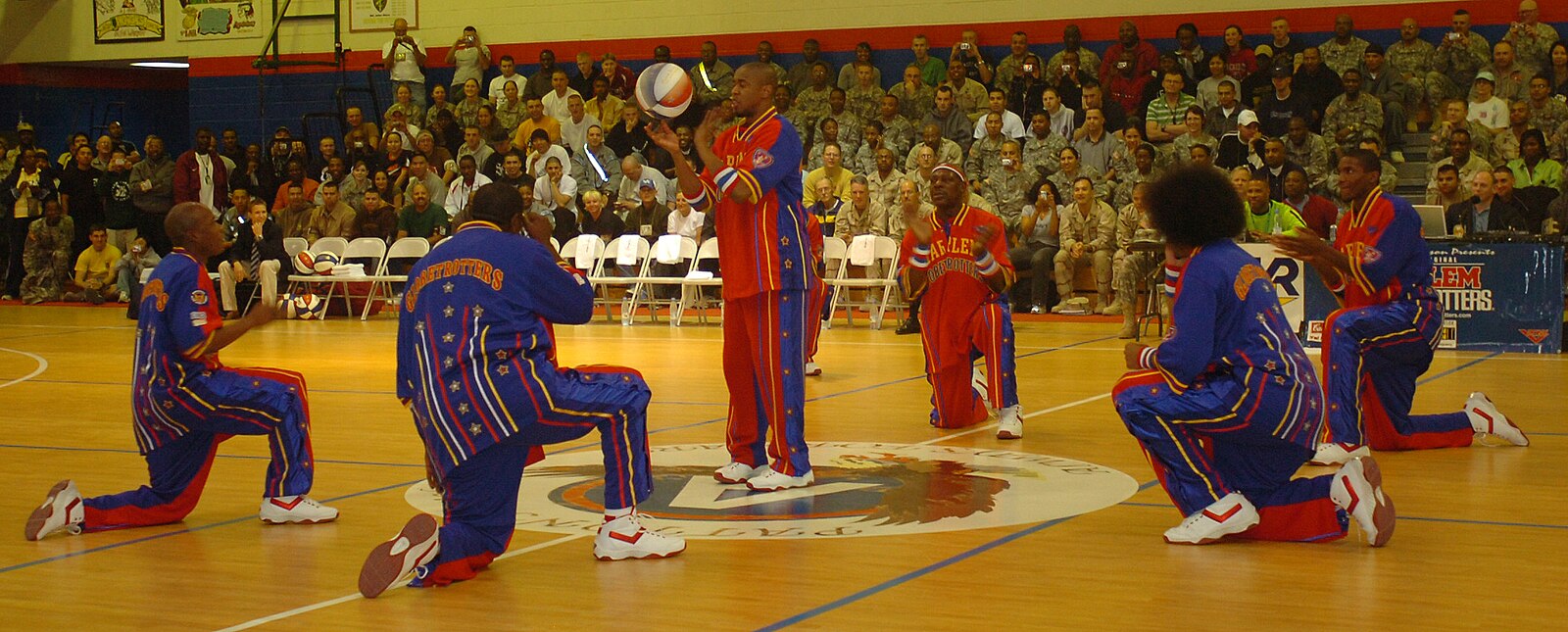
When you think of lopsided winning streaks in basketball, the Harlem Globetrotters vs. Washington Generals matchup stands out. Although the Generals have occasionally secured victories, the Globetrotters' skillful and entertaining style has captivated fans worldwide. Their games, featuring trick shots and comedic routines, have become integral to basketball culture, seamlessly blending sports and entertainment.
Lopsided Winning Streaks
In the world of basketball, few rivalries are as iconic and as one-sided as the matchups between the Harlem Globetrotters and the Washington Generals. With over 16,000 games played and only 4 victories, the Washington Generals exemplify lopsided winning streaks in sports history. The Generals serve as a comedic foil to the Globetrotters, enhancing the spectacle with their willingness to be the perennial underdog.
The Globetrotters' skillful performances and showmanship can't be overlooked. Their games are a blend of athleticism and humor, making each matchup a unique event. This longstanding rivalry has turned the Globetrotters into a cultural phenomenon, consistently drawing large crowds and media attention. It's not just about winning; it's about putting on a show that entertains and captivates audiences.
While the Washington Generals might not have a winning record, their role is vital in creating this basketball magic. They've become synonymous with the spirit of the underdog, making the Globetrotters' victories even more memorable. The sheer scale of the Globetrotters' dominance reflects their prowess and the unique nature of these games.
Wilt Chamberlain’s 100-Point Game (1962)
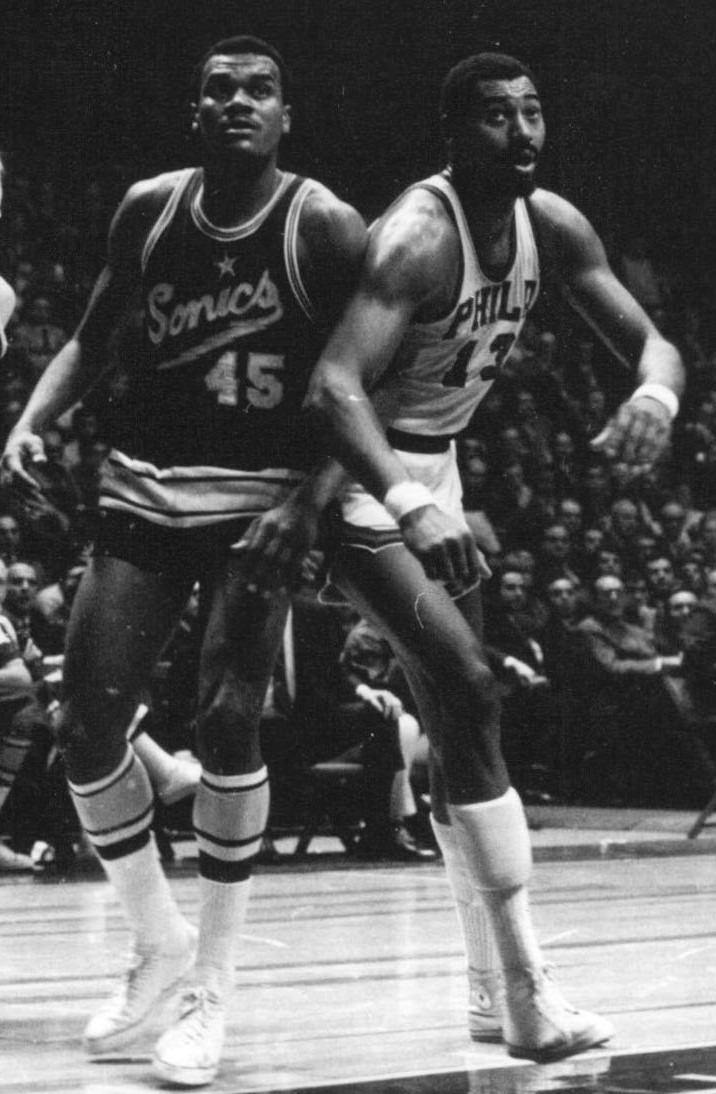
On March 2, 1962, Wilt Chamberlain achieved the unthinkable by scoring 100 points in a single game for the Philadelphia Warriors against the New York Knicks. No player has come close to breaking this record. Chamberlain dominated the paint, scoring from every angle, and finished with 36 made field goals and 28 made free throws in a 169-147 win.
Michael Jordan’s Flu Game (1997)
In Game 5 of the 1997 NBA Finals against the Utah Jazz, Michael Jordan delivered a legendary performance while battling a severe case of the flu (later speculated to be food poisoning). Despite being visibly weak and dehydrated, Jordan scored 38 points, leading the Chicago Bulls to a crucial 90-88 victory. His exhausted collapse into Scottie Pippen’s arms afterward became an iconic moment in NBA history.
The Malice at the Palace (2004)
One of the darkest moments in NBA history occurred on November 19, 2004, when a brawl erupted between the Indiana Pacers and Detroit Pistons at The Palace of Auburn Hills. After a scuffle between players, a fan threw a drink at Pacers’ Ron Artest (now Metta Sandiford-Artest), who then charged into the stands. The ensuing chaos involved players and fans fighting, leading to multiple suspensions, including Artest’s season-long ban.
Magic Johnson’s HIV Announcement (1991)
On November 7, 1991, Magic Johnson shocked the world by announcing that he had contracted HIV and was retiring from the NBA. His public battle against the disease and subsequent return to play in the 1992 NBA All-Star Game (where he won MVP) helped destigmatize HIV and showed his resilience. Magic would later make another brief comeback in 1996.
Tracy McGrady’s 13 Points in 33 Seconds (2004)
In a regular-season game against the San Antonio Spurs, Tracy McGrady of the Houston Rockets engineered one of the greatest individual comebacks in NBA history. Down by eight points with 33 seconds remaining, McGrady scored 13 points, including four three-pointers (one a four-point play), to stun the Spurs and win the game 81-80. This remains one of the most jaw-dropping performances in the final seconds of a game.
The Decision: LeBron James (2010)
LeBron James’ highly anticipated free agency decision culminated in a live ESPN broadcast titled "The Decision," where he announced he would "take his talents to South Beach" and join the Miami Heat. This created a firestorm of controversy, particularly in his hometown of Cleveland, where fans burned his jerseys. Despite the backlash, LeBron would win two NBA titles with the Heat before returning to Cleveland in 2014.
Derrick Rose’s Torn ACL (2012)
In the opening game of the 2012 NBA Playoffs, Derrick Rose, the youngest MVP in NBA history, suffered a torn ACL while playing for the Chicago Bulls. This injury not only ended the Bulls' title hopes but also altered the trajectory of Rose’s career. Despite battling multiple injuries afterward, Rose has made inspiring comebacks, most notably scoring 50 points in a 2018 game while with the Minnesota Timberwolves.
Reggie Miller’s 8 Points in 9 Seconds (1995)
During Game 1 of the 1995 Eastern Conference Semifinals, Reggie Miller of the Indiana Pacers pulled off an unbelievable feat, scoring eight points in just nine seconds to lead his team to a shocking 107-105 victory over the New York Knicks. He hit two three-pointers, stole an inbounds pass, and was fouled while shooting another three-pointer, completing one of the most memorable moments in NBA playoff history.
Kobe Bryant’s 81-Point Game (2006)
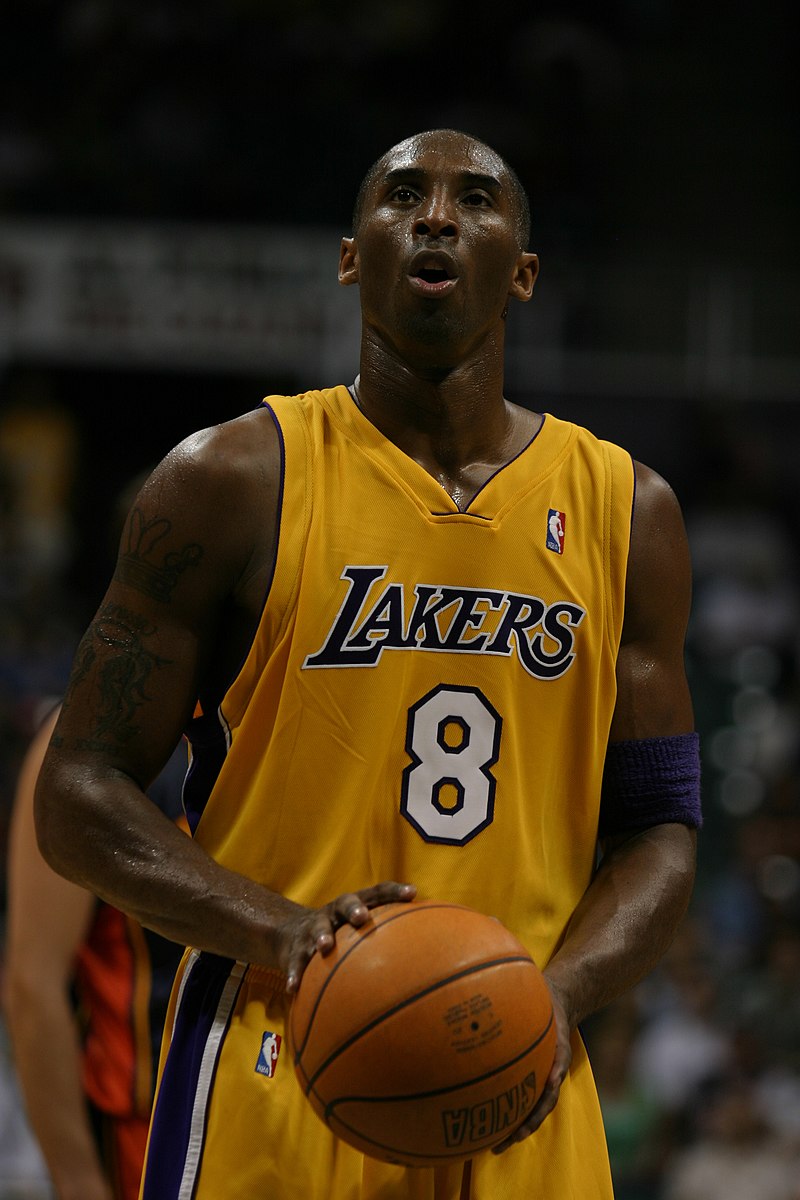
On January 22, 2006, Kobe Bryant of the Los Angeles Lakers delivered the second-highest individual scoring performance in NBA history by dropping 81 points against the Toronto Raptors. Bryant’s relentless scoring barrage included 28 made field goals and 18 made free throws, leading the Lakers to a comeback victory. This game solidified Bryant’s place among the greatest scorers in NBA history.
Boston Celtics’ 2008 NBA Finals Comeback in Game 4
In Game 4 of the 2008 NBA Finals, the Boston Celtics mounted a stunning comeback against the Los Angeles Lakers, erasing a 24-point deficit to win 97-91. The Celtics’ suffocating defense, led by Kevin Garnett and Paul Pierce, helped them gain momentum. The win gave Boston a 3-1 series lead, and they would go on to win their 17th NBA Championship.
Golden State Warriors’ 73-9 Season (2016)
The 2015-2016 Golden State Warriors set a new NBA record by winning 73 games during the regular season, breaking the previous record of 72-10 set by the 1995-1996 Chicago Bulls. Led by Stephen Curry, who won his second consecutive MVP award (the first-ever unanimous MVP), the Warriors dazzled fans with their three-point shooting and high-paced offense. However, they lost the NBA Finals to the Cleveland Cavaliers after leading the series 3-1.
LeBron James’ Block on Andre Iguodala (2016)
In Game 7 of the 2016 NBA Finals, LeBron James made one of the most iconic defensive plays in NBA history. With less than two minutes left in a tie game, James chased down and blocked Andre Iguodala’s fast-break layup attempt, keeping the game tied. This block helped the Cleveland Cavaliers complete their comeback from a 3-1 series deficit, winning their first-ever NBA Championship.
Shaquille O’Neal’s Rim-Shattering Dunks
In the early 1990s, Shaquille O’Neal made a name for himself by literally breaking basketball backboards with his powerful dunks. He shattered two backboards during his rookie season with the Orlando Magic, leading to the NBA reinforcing the basket stanchions and rims to prevent future breakages. Shaq’s dominance in the paint became a defining feature of his Hall of Fame career.
Russell Westbrook’s Triple-Double Season (2016-2017)
Russell Westbrook of the Oklahoma City Thunder became the first player since Oscar Robertson in 1962 to average a triple-double over an entire season. Westbrook averaged 31.6 points, 10.7 rebounds, and 10.4 assists per game and broke Robertson’s record for most triple-doubles in a season with 42. His historic season earned him the 2017 NBA MVP award.
The 1985 NBA Draft Lottery Conspiracy Theory
The first NBA Draft Lottery in 1985, which saw the New York Knicks win the top pick and select Patrick Ewing, has been the subject of conspiracy theories for decades. Some believe the NBA rigged the lottery to favor the Knicks, with speculation that the envelope containing the Knicks’ logo was bent or frozen to ensure they would win. No concrete evidence of tampering has ever been found.
Ray Allen’s Game 6 Shot (2013)
In Game 6 of the 2013 NBA Finals, the Miami Heat were down by three points to the San Antonio Spurs with just seconds remaining. Ray Allen hit a miraculous corner three-pointer to tie the game and force overtime. The Heat went on to win the game and eventually the series, securing their second consecutive championship. Allen’s shot is considered one of the greatest in NBA history.
Dr. J’s Baseline Reverse Layup (1980 NBA Finals)
In Game 4 of the 1980 NBA Finals, Julius “Dr. J” Erving pulled off one of the most creative and iconic plays in NBA history. Dribbling baseline against the Los Angeles Lakers, Erving leaped from one side of the basket, maneuvered around defenders, and performed a mid-air reverse layup under the backboard. The move has been immortalized as one of the most elegant plays ever seen in basketball.
Jeremy Lin’s “Linsanity” (2012)
In early 2012, Jeremy Lin, an undrafted point guard from Harvard, became an overnight sensation with the New York Knicks. Lin, who had been buried on the bench, led the Knicks to a seven-game winning streak while averaging over 25 points and electrifying Madison Square Garden. "Linsanity" captivated the world as Lin became a cultural phenomenon and proved doubters wrong.
The Frozen Envelope Conspiracy (1985)
This theory ties into the first NBA Draft Lottery where the Knicks were awarded the first overall pick. Some claim that one of the envelopes in the draft drum was bent or frozen to ensure the Knicks would land Patrick Ewing. Although the conspiracy has never been proven, it remains one of the most enduring theories in NBA lore.
The Dream Team (1992)
The 1992 U.S. Men’s Basketball Team, known as the "Dream Team," is widely regarded as the greatest basketball team ever assembled. Featuring legends like Michael Jordan, Magic Johnson, Larry Bird, and Charles Barkley, they dominated the 1992 Barcelona Olympics, winning the gold medal. The team revolutionized basketball's global popularity and paved the way for the NBA’s international expansion.