What Are the Primary Defensive Strategies in Basketball?
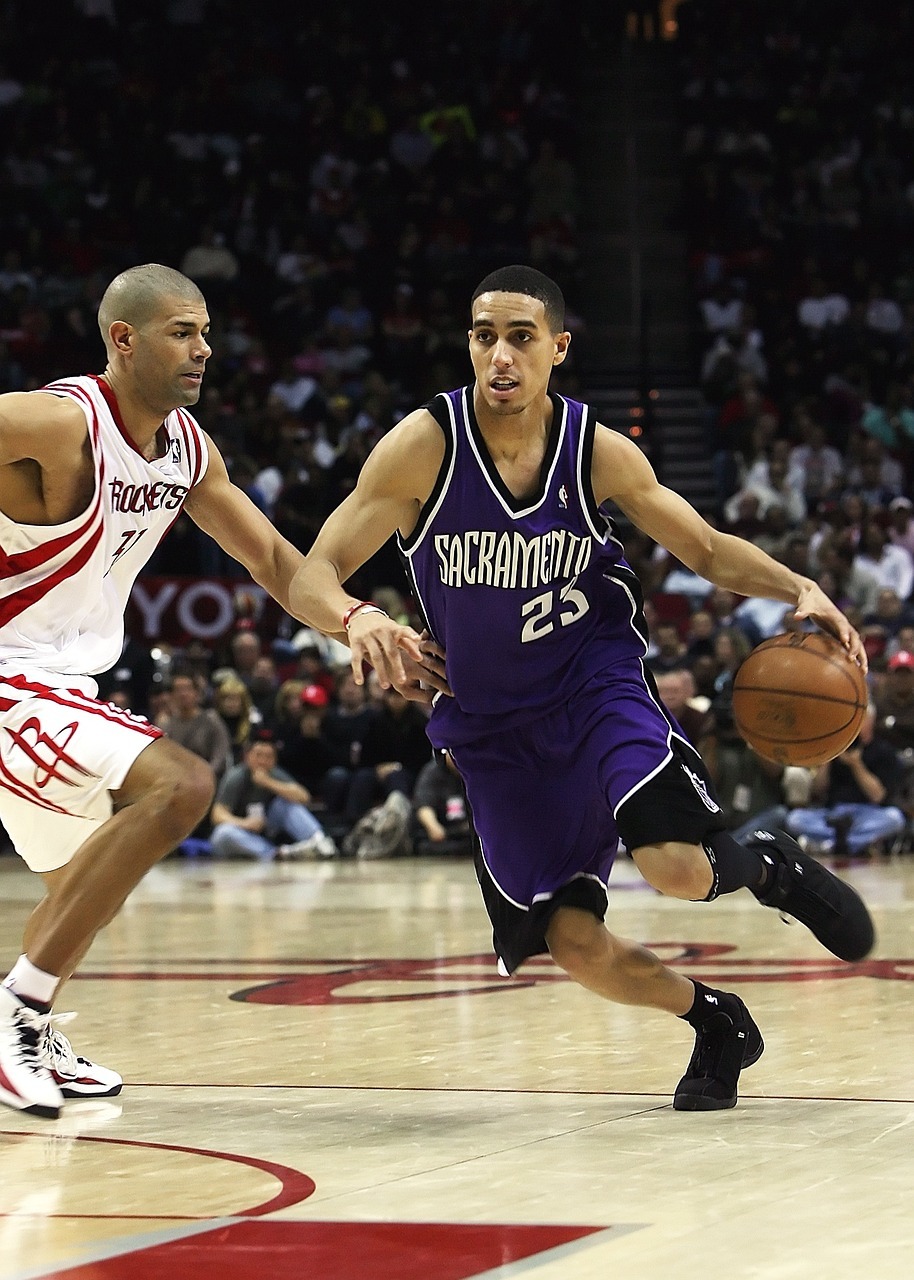
When considering primary defensive strategies in basketball, man-to-man and zone defenses are fundamental. In a man-to-man defense, each player is responsible for guarding a specific opponent. In contrast, a zone defense assigns players to cover designated areas on the court. Combining these strategies or employing a press defense to maintain constant pressure on the opposing team can significantly impact game control. Understanding the mechanics and appropriate applications of these defensive tactics is crucial for effectively shutting down opponents.
1. Man-to-Man Defense
Man-to-man defense is a fundamental strategy where each player is assigned to guard a specific opponent based on factors such as position, ability, or size. This approach promotes individual accountability and skill development, making it essential for young players. In this defensive role, you must stay close to your assigned offensive player to prevent them from scoring. Whether you employ a tight man-to-man defense, where you guard closely, or a loose man-to-man defense, which allows more space, the objective remains the same: stop the offensive player.
- In a man-to-man defense, each player is responsible for guarding a specific opposing player. This is one of the most commonly used defensive strategies in basketball.
- Key Principles: Players must stick close to their assigned man, challenge shots, and deny passes.
- Strengths: Effective against teams with balanced scoring threats, as it forces the offense into one-on-one matchups.
- Weaknesses: Requires high individual defensive skills and can be vulnerable if the defense lacks quickness or stamina.
Effective communication among teammates is crucial in man-to-man defense. You need to talk with your teammates, especially during switches and hedges, to prevent offensive players from getting open shots. Anticipating your opponent's moves is another key skill. By reading their intentions, you can intercept passes and create turnovers, thereby enhancing your team's overall defensive strategy.
Man-to-man defense involves more than just guarding your player; it requires understanding the fundamentals of positioning and movement. Mastering this strategy lays the groundwork for more advanced defensive techniques. By honing your ability to guard effectively and communicate well, you'll become a more reliable and impactful defensive player on the court.
2. Zone Defense
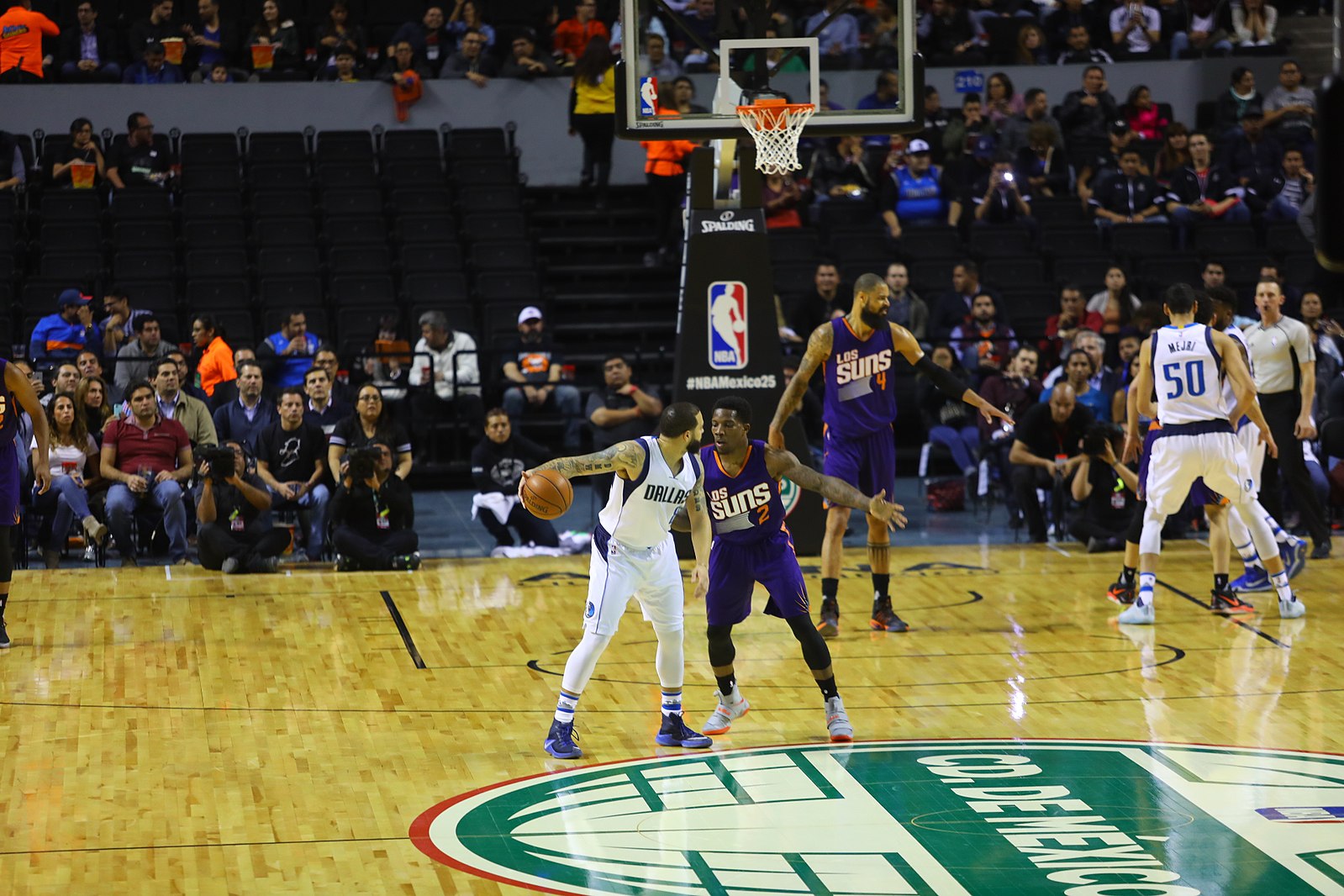
Zone defense is a strategic approach where defenders guard specific areas instead of individual players, offering flexibility and disrupting the offensive flow. By focusing on areas, zone defenses like the 2-3 zone and 3-2 zone provide adaptable coverage. The 2-3 zone is effective against baseline attacks and aids in securing rebounds, while the 3-2 zone increases pressure on long-range shots, especially from the wings.
- A zone defense involves players defending specific areas of the court rather than individual players. The most common zone formations are the 2-3 zone (two players up top, three players near the basket) and the 3-2 zone (three up top, two near the basket).
- Key Principles: Players focus on protecting their zone, closing passing lanes, and rotating to stop drives or perimeter shots.
- Strengths: Great for limiting dribble penetration and forcing outside shots. It also conserves energy as players don’t chase individual opponents.
- Weaknesses: Susceptible to outside shooting and offensive rebounding if not executed well.
In these setups, defenders pick up offensive players entering their designated area and retreat when opponents leave, requiring good positioning and awareness. The 1-3-1 zone excels at head-on attacks and corner traps, with one defender at the top, three across the middle, and one near the basket. Conversely, the 1-2-2 zone offers flexibility by positioning one defender above the foul line and two on the wings, ensuring adaptable coverage against diverse offensive movements.
A match-up zone defense is an adaptive strategy that reacts to offensive movements. Often starting from a 2-3 or 1-3-1 alignment, it allows defenders to switch to man-to-man coverage as needed. This adaptability makes it a vital part of defensive strategies.
3. Combination Defense
Combination defenses blend the strengths of both man-to-man and zone strategies to create a dynamic and unpredictable defensive approach. By merging these elements, the defense can confuse the offense and force turnovers. Common types of combination defenses include the Box-and-One, where one player guards a specific offensive threat while the others form a box in the paint, and the Triangle-and-Two, which assigns two defenders to key scorers while the remaining three form a triangle zone.
To execute a combination defense effectively, a team needs a solid understanding of both man-to-man and zone principles. This allows for quick adaptations during gameplay, maintaining tight defensive coverage. Communication and teamwork are essential; without them, gaps that the offense can exploit may appear.
Combination defenses are particularly useful against teams with dominant individual players. By neutralizing their impact while maintaining comprehensive defensive coverage, the defense can considerably reduce opponent scoring. The key is to balance the focus on shutting down star players with cohesive team defense, ensuring everyone knows their role and stays in sync. This strategy can turn the tide of the game, making it harder for the opposing team to find scoring opportunities.
4. Press Defense
Building on the versatility of combination defenses, another highly effective strategy in basketball is the press defense. This aggressive tactic applies continuous pressure on the opposing team and is typically categorized into full-court and half-court presses.
Full Court Press:
- A full-court press involves aggressive defense across the entire court, starting as soon as the opposing team inbounds the ball.
- Key Principles: The defense applies pressure on the ball-handler from baseline to baseline, trying to force turnovers or rushed decisions.
- Strengths: Effective at disrupting the offense’s rhythm and forcing mistakes, especially against teams with weaker ball handlers.
- Weaknesses: It can leave the defense vulnerable to fast breaks if the press is broken.
Press and Drop:
- The press-and-drop strategy involves aggressive pressure in the backcourt (similar to a press) but dropping back into a more conservative defense once the ball crosses half-court.
- Key Principles: The goal is to force the offense into a quick decision or turnover before settling into a standard defensive formation.
- Strengths: It disrupts the offense's flow without fully committing to a press, minimizing the risk of fast breaks.
- Weaknesses: If the press isn’t effective, the defense may be slow to get into position.
Both types of press defense aim to disrupt the offensive flow and force errors. Effective press defense demands high energy and stamina from players, often exhausting opponents and exploiting their weaknesses. Coaches often implement this strategy when trailing in a game to create fast-break opportunities and shift the momentum. By exhausting opponents and exploiting their ball-handling weaknesses, a well-executed press defense can turn the tide in your favor.
5. Half-Court Trap
The half-court trap is a defensive tactic that pressures the ball handler as soon as they cross half-court, often trapping them near the sidelines with two defenders. This strategy is designed to force turnovers by creating difficult passing situations and rushed decisions. It is highly effective in high-pressure moments but can leave gaps in the defense, allowing the opposing team to exploit easy scoring opportunities if the trap is broken.
- A half-court trap is a defensive strategy where players apply pressure once the opposing team crosses half-court, often near the sidelines.
- Key Principles: The defense attempts to trap the ball-handler in a difficult position, typically using two defenders to force a turnover or bad pass.
- Strengths: Great for forcing mistakes and turnovers in high-pressure situations.
- Weaknesses: If the trap fails, it can leave gaps in the defense, allowing the offense to get easy shots.
6. Box-and-One Defense
The box-and-one defense is a hybrid approach where four players form a zone defense in a box formation, while one defender plays man-to-man against the opposing team's star player. This strategy is ideal for neutralizing a single dominant scorer by putting constant pressure on them. While effective against teams that rely heavily on one player, it can be vulnerable if other offensive players start contributing, as the zone defenders cover more ground.
- The box-and-one is a hybrid defense where four defenders play zone (usually in a box formation), while one player plays man-to-man on the opposing team’s best player.
- Key Principles: This strategy is used to neutralize a single dominant scorer, while the other defenders focus on protecting the paint and perimeter.
- Strengths: Effective against teams with one key scoring threat and weak supporting players.
- Weaknesses: It can be exploited if other offensive players step up and score, as the zone defenders are responsible for covering more space.
7. Triangle-and-Two Defense
The triangle-and-two defense combines zone and man-to-man elements, with three defenders forming a triangle zone near the basket and two defenders playing man-to-man on the opponent’s best perimeter players. This strategy is designed to shut down two key shooters while protecting the paint. It works well against teams with limited scoring options but can be exploited by teams with balanced offensive threats or strong inside play.
- In the triangle-and-two defense, three defenders play a zone in a triangle formation, and two defenders play man-to-man on the opposing team's best perimeter players.
- Key Principles: This defense focuses on shutting down two main scorers while having the remaining defenders guard the paint and key areas.
- Strengths: It’s effective against teams with two dominant shooters, forcing other players to take more shots.
- Weaknesses: Vulnerable to teams with balanced offensive threats or strong inside scoring.
8. Switching Defense
In switching defense, defenders switch assignments during screens and pick-and-rolls, preventing offensive players from getting open looks or mismatches. Effective communication is crucial to ensure smooth transitions between defenders. This strategy is particularly useful for disrupting offensive plays, but if not executed well, it can lead to mismatches, especially when smaller defenders end up guarding bigger opponents.
- Switching defense involves defenders switching who they are guarding during screens or pick-and-rolls. Instead of fighting through screens, defenders switch responsibilities.
- Key Principles: Players must communicate effectively to avoid mismatches and ensure smooth transitions when switching.
- Strengths: Great for disrupting pick-and-roll plays and preventing open shots.
- Weaknesses: Can create mismatches, especially if a bigger offensive player ends up guarded by a smaller defender after a switch.
9. Pack Line Defense
- In the pack line defense, players sag off their man to guard the paint and prevent dribble penetration. It’s a type of man-to-man defense, but the emphasis is on helping and cutting off drives.
- Key Principles: Defenders stay within a designated area near the paint, denying easy drives and forcing the offense to shoot from the perimeter.
- Strengths: Great for stopping teams that rely on driving to the basket.
- Weaknesses: Vulnerable to teams with good perimeter shooting.
10. 1-3-1 Zone Defense
- In the 1-3-1 zone defense, one player defends the top of the key, three players cover the middle, and one defends the baseline.
- Key Principles: It’s designed to create turnovers and disrupt passing lanes by crowding the middle of the court.
- Strengths: Effective at applying pressure on the ball and creating fast-break opportunities.
- Weaknesses: Vulnerable to corner 3-point shots and strong offensive rebounding.
Defensive Adaptability
Defensive adaptability involves making real-time adjustments to strategies based on the game's progression. As a coach or player, it's crucial to stay alert and responsive to the opponent's performance and the overall game flow. This requires recognizing when to switch defensive schemes, whether transitioning from a zone to man-to-man defense or employing combination defenses. These shifts can disrupt the opponent's rhythm and keep your defense effective against varying offensive styles.
In-game adjustments are essential. You might need to change player matchups to exploit specific strengths or weaknesses in the opponent's lineup. For example, assigning a taller defender to a high-scoring guard can make a significant impact. Adjusting defensive intensity, such as switching between aggressive full-court presses and more conservative half-court setups, can also influence game tempo and your team's effectiveness.
Effective bench use is another crucial strategy. Rotational strategies help keep players fresh, maintaining defensive pressure throughout the game. By being adaptable, you ensure that your defense can counteract scoring runs and sustain competitive momentum, keeping your team ahead.