What Are Training Shoes? Differences and Uses
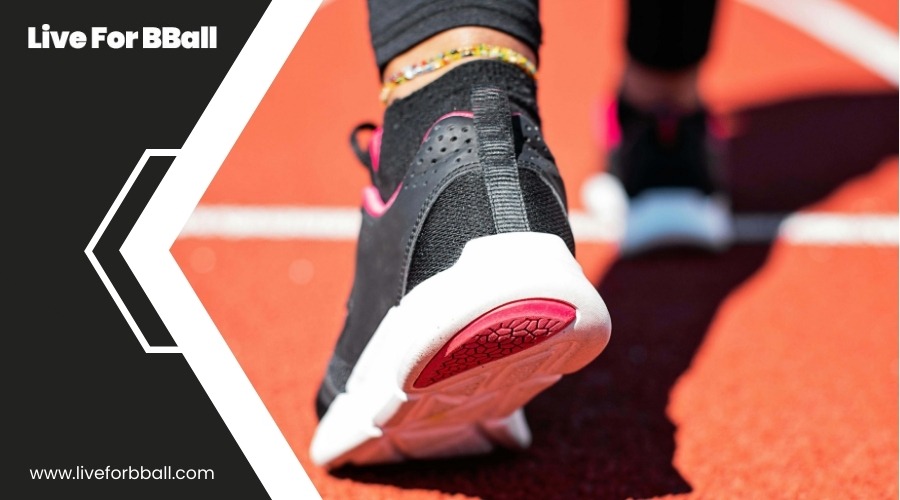
When it comes to fitness, the right footwear isn't just about comfort—it's about performance and injury prevention. Training shoes are a specialized type of athletic footwear designed for versatility, supporting a variety of workouts that go beyond simple forward motion. Whether you're doing high-intensity interval training (HIIT), weightlifting, or plyometric drills, training shoes are built to keep up with your diverse fitness needs.
In this guide, we'll break down what makes training shoes unique, how they differ from other types of footwear like running shoes, and how to choose the right pair for your workout routine.
Training Shoe Design Essentials
At first glance, training shoes might seem like just another pair of athletic sneakers. But look closer, and you'll notice features that set them apart, all geared toward enhancing performance across a wide range of movements.
Stability for Multi-Directional Movements
Unlike running shoes, which are designed for forward motion, training shoes prioritize lateral stability. The soles are flatter, with a lower heel-to-toe drop, which creates a stable base ideal for exercises like squats, lunges, or lateral shuffles. This stability is crucial for maintaining balance and preventing injuries during quick direction changes or weight-bearing exercises.
Flexibility in the Sole
Training shoes often have more flexible soles compared to running shoes. This flexibility supports a range of motions, from jumping and pivoting to side lunges, allowing your feet to move naturally while still being supported. The flexibility is particularly beneficial for activities like plyometrics, where dynamic movement is key.
Breathable Materials
Intense workouts generate heat, and training shoes address this with lightweight, breathable materials like mesh panels. These materials promote airflow, keeping your feet cool and comfortable even during the most grueling sessions. Additionally, they're engineered to maintain durability despite the lightweight design.
Targeted Cushioning
Strategic cushioning in training shoes focuses on areas that experience the most impact, such as the midfoot and sides. This helps absorb shock during high-intensity movements without compromising stability or control.
Key Benefits Over Running Shoes
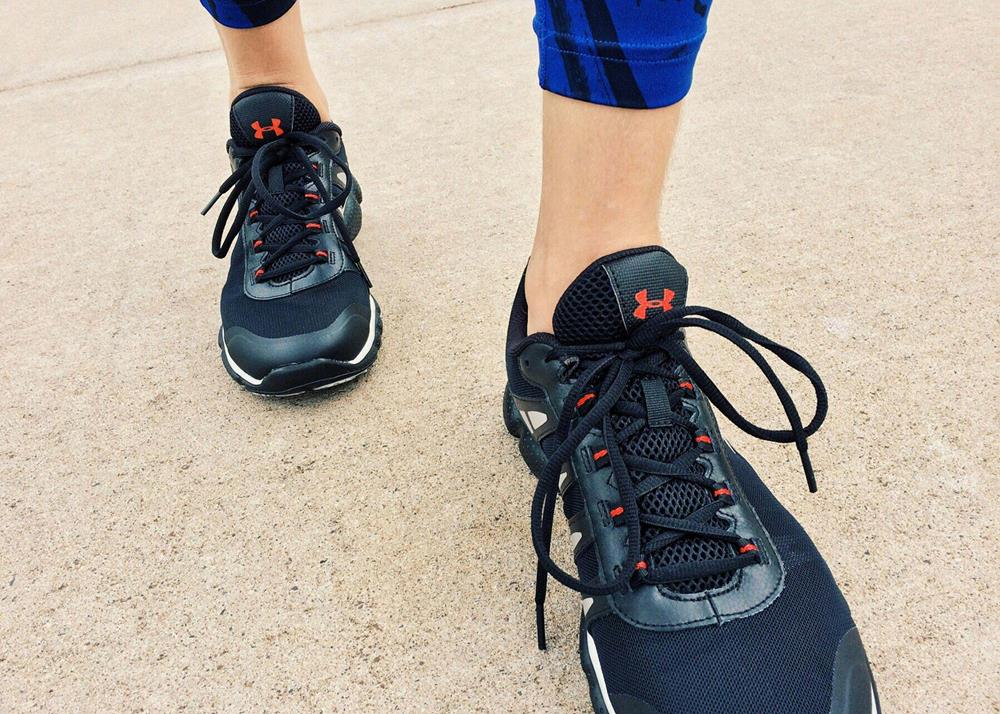
You might be wondering, why not just use running shoes for all your workouts? While running shoes excel at providing forward-motion support, they fall short in other areas critical for dynamic workouts. Here's why training shoes are the better choice for versatility:
Enhanced Stability
The flatter sole and lower heel-to-toe drop of training shoes offer a more stable platform for exercises like weightlifting, where balance and form are crucial. Running shoes, with their raised heel and extra cushioning, can make it harder to maintain proper alignment.
Better Lateral Support
Training shoes are designed to support side-to-side movements, such as lateral shuffles or agility drills. This is an area where running shoes often lack structure, increasing the risk of rolling your ankle during such movements.
Versatility for Multi-Purpose Workouts
From box jumps to kettlebell swings, training shoes are built to handle a variety of activities. Running shoes, on the other hand, are specialized for repetitive forward motion, making them less adaptable for diverse workout routines.
Targeted Durability
Training shoes are constructed to withstand the wear and tear of high-intensity exercises, including explosive movements and heavy lifts. Their durability makes them a reliable choice for gym-goers who mix cardio, strength training, and agility work in their routines.
Best Activities for Training Shoes
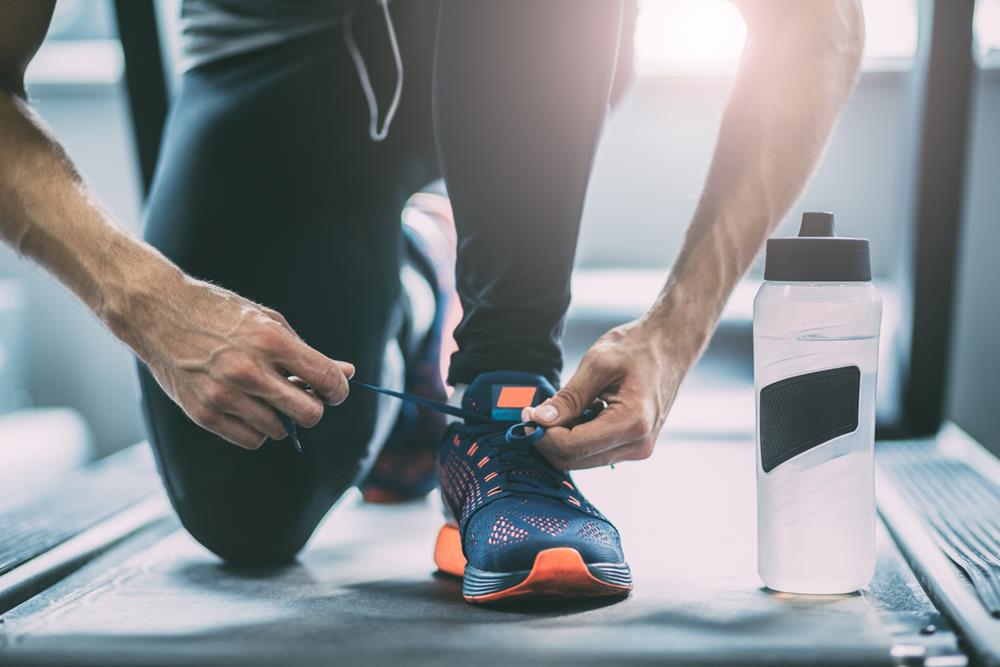
Training shoes shine in environments where versatility is key. Here are some examples of workouts where they truly excel:
High-Intensity Interval Training (HIIT)
During HIIT workouts, you're constantly transitioning between movements like burpees, box jumps, and mountain climbers. Training shoes provide the necessary support, stability, and flexibility for these varied activities.
Plyometrics and Explosive Movements
Exercises like jump squats, lateral bounds, and clap push-ups demand shoes that can absorb impact and maintain balance. The flat, stable base and targeted cushioning of training shoes make them ideal for these high-impact movements.
Weightlifting
A stable, flat sole is essential for weightlifting, as it allows you to maintain proper form and generate power from the ground up. Training shoes deliver the stability needed for everything from deadlifts to overhead presses.
Combination Workouts and Boot Camps
In boot camps or circuit training sessions, you'll often switch between running drills, bodyweight exercises, and strength training. Training shoes offer the versatility to handle this variety without compromising performance.
While training shoes are suitable for short treadmill sprints as part of your workout, it's important to note that they're not designed for long-distance running. For that, running shoes remain the better choice.
Choosing the Right Training Shoes
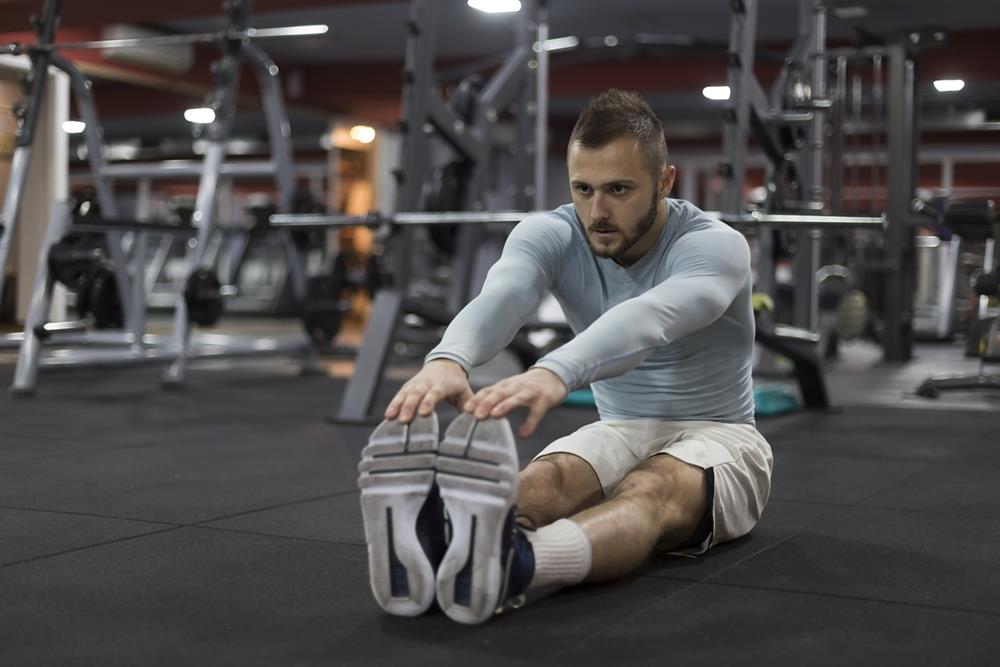
Selecting the perfect pair of training shoes can make or break your workout experience. Here are some tips to help you find the best fit:
Consider Your Activities
Think about the type of workouts you do most often. If you're into weightlifting, prioritize stability and a flat sole. For agility and plyometrics, look for flexibility and cushioning.
Prioritize Fit and Comfort
A good training shoe should feel snug but not tight. Ensure there's enough space in the forefoot area for your toes to move naturally, and check that the midfoot provides secure support without pinching.
Test Them Out
When trying on training shoes, mimic some of your workout movements, like squats or lateral lunges, to see how they perform. Pay attention to how the shoes handle your movements and ensure they feel supportive.
Look for Durability
Choose shoes made with high-quality materials that can withstand the demands of your workouts. Consider reputable brands known for their training footwear, such as Nike, Reebok, and Adidas.
Keep Activity-Specific Shoes Separate
While training shoes are versatile, they're not a replacement for running shoes if you frequently run long distances. Having separate pairs for different activities can help maintain the integrity and performance of your shoes.
Proper Care and Maintenance
Investing in a good pair of training shoes is only the first step. To keep them in top condition, follow these care tips:
Clean Regularly
After each workout, wipe down your shoes with a damp cloth to remove dirt and sweat. For deeper cleaning, use mild detergent and warm water, and let them air-dry completely.
Rotate Your Shoes
If you train frequently, consider rotating between two pairs of training shoes. This allows each pair to dry fully between uses, reducing moisture damage and extending their lifespan.
Store Properly
Avoid exposing your shoes to excessive heat, moisture, or direct sunlight, as these can degrade the materials. Store them in a cool, dry place, and stuff them with crumpled paper to help maintain their shape.
Replace When Needed
Training shoes should be replaced every 6–12 months or after 300–500 miles of use. Worn-out shoes lose their cushioning and support, which can lead to discomfort or injury.
Conclusion
Training shoes are more than just gym gear—they're a tool that can elevate your performance and protect you from injury. With their unique design and versatility, they cater to a wide range of activities, from strength training to agility work. By choosing the right pair and maintaining them properly, you'll ensure they support your fitness journey for months to come.
So next time you hit the gym or join a boot camp, step in with the confidence that your training shoes have your back—and your feet.