What Have Been the Most Impactful Rules Changes in Basketball History?

When considering basketball's evolution, certain rule changes stand out for their profound impact on the game. The introduction of the three-point shot in 1979 and the 24-second shot clock in 1954 fundamentally shifted offensive strategies and game pace. Additionally, the three-second rule and evolving foul limits have significantly reshaped player movement and safety. These adjustments not only transformed game dynamics but also influenced how teams and players approach each match. What other rule changes might have had such a lasting impact on the sport? Let's delve deeper.
Historical Development of Rules
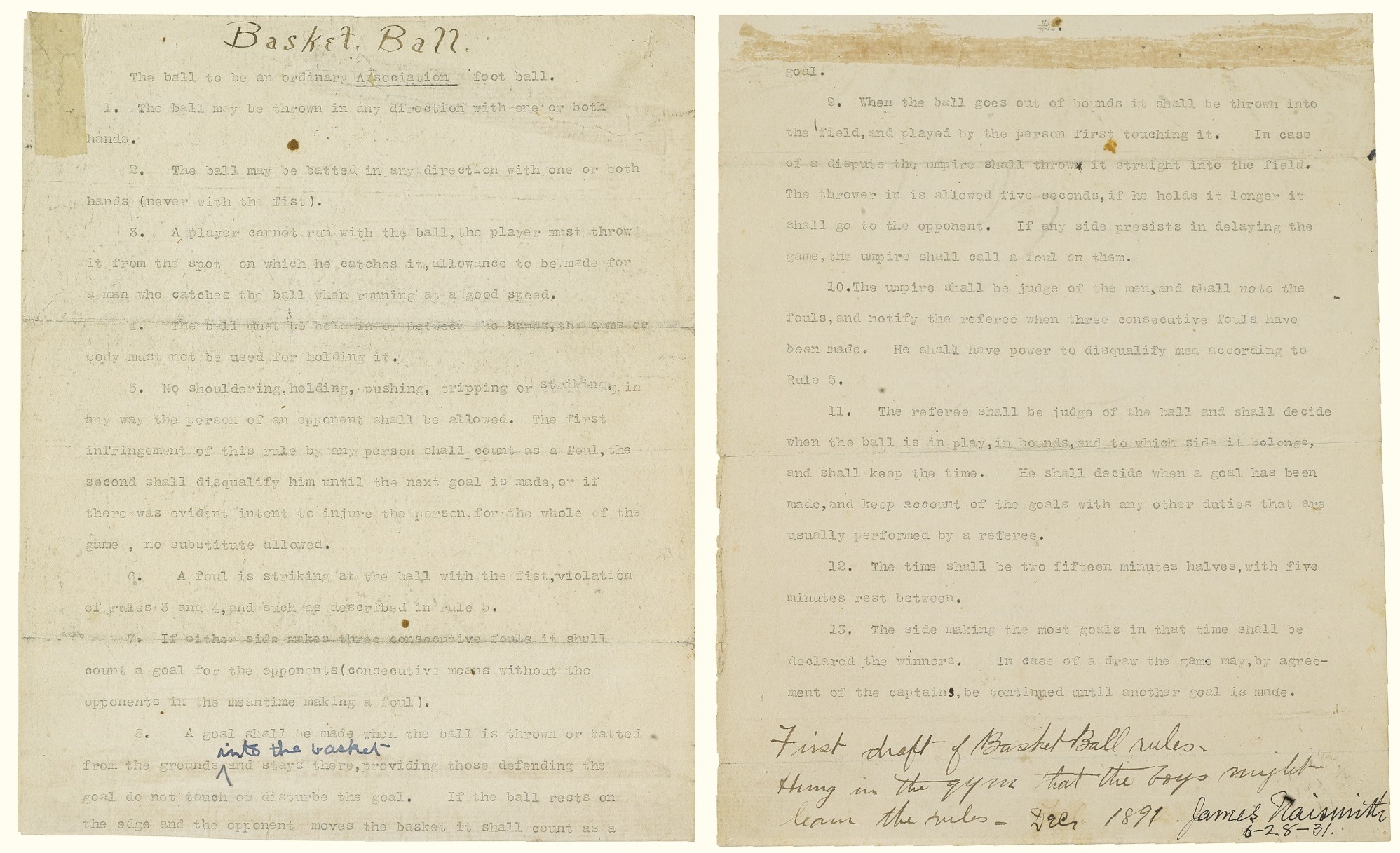
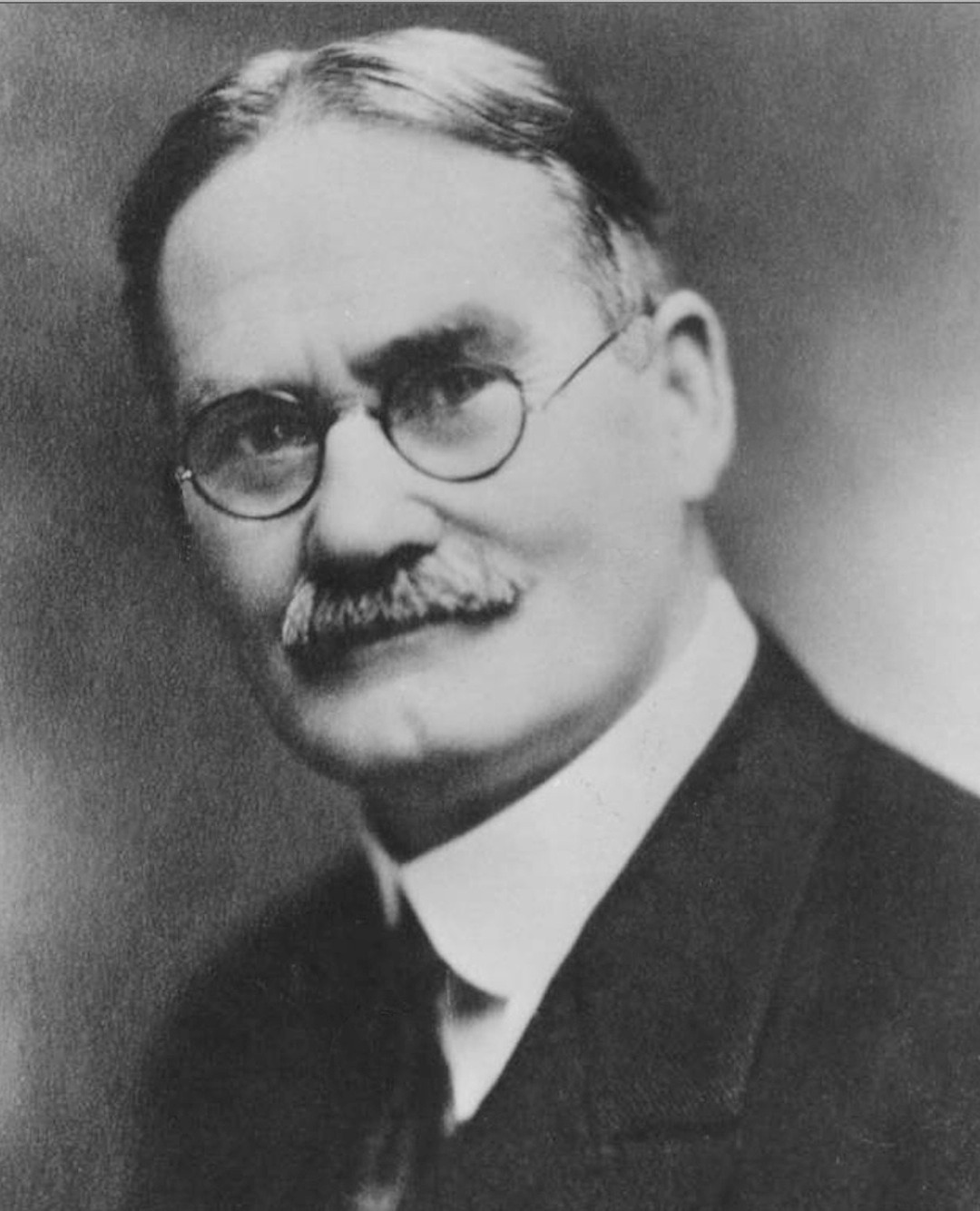
From the moment Dr. James Naismith established basketball's original 13 rules in 1891, the game has undergone significant changes. These initial guidelines provided the foundation for modern basketball, with 11 rules still echoing in contemporary gameplay. As you explore the history of rule changes, you'll see how they've shaped the game into the dynamic sport it is now.
In 1897, the mandatory team size of five players was introduced, solidifying team structure and strategy. The mid-1930s brought standardization, ensuring consistent gameplay across different regions. This period marked the beginning of essential changes, including the 1936 introduction of the three-second rule to prevent players from staying near the basket for too long, enhancing game flow.
The 24-second shot clock, introduced in 1954, transformed the pace of play, pushing teams to execute faster and increasing scoring opportunities. The 1967 introduction of the three-point shot by FIBA, adopted by the NBA in 1979, dramatically altered offensive strategies and scoring.
Each rule change in basketball history reflected a response to gameplay dynamics and player safety, evolving the game into the fast-paced, strategic sport it is today.
Team Structure Changes

The evolution of team structure in basketball has fundamentally shaped its modern identity. Early iterations of the game were chaotic, with teams sometimes comprising up to 50 players. In 1897, however, the mandatory team size was set to five players per side, creating a more controlled and strategic environment. This pivotal change laid the foundation for the game's current structure.
Significant advancements in substitution rules further refined the game. The prohibition on player re-entry was lifted in 1920, initially allowing one re-entry per player. This allowance increased to two re-entries by 1934 and eventually to unlimited re-entries by 1945. These changes facilitated more strategic player management and dynamic gameplay, essential to modern basketball's fast-paced style.
| Year | Rule Change |
|---|---|
| 1897 | Mandatory team size of five players |
| 1920 | One player re-entry allowed |
| 1934 | Two player re-entries allowed |
| 1945 | Unlimited player re-entries permitted |
These adjustments also paved the way for the introduction of specialized positions. Roles such as stretch forwards and three-point specialists emerged, significantly enhancing team performance and enriching game dynamics. Understanding these pivotal shifts in team structure underscores the importance of evolving rules in shaping the sport's complexity and excitement, reflecting the critical role of such changes in modern basketball.
Scoring System Evolution
The scoring system in basketball has continually evolved, fundamentally altering how the game is played and enjoyed. Initially, a goal was worth one point, but by 1896, field goals were assigned two points, while free throws remained one point each. This adjustment laid the groundwork for the higher-scoring games we witness today.
One of the most significant rule changes came with the introduction of the three-point shot. FIBA first adopted this in 1967, followed by the NBA in 1979, revolutionizing offensive strategies. Teams began to prioritize long-range shooters, knowing a successful three-pointer could significantly impact the game's momentum.
Free throws have also undergone adjustments. Initially, from 1894, free throws were taken from 20 feet but were moved to 15 feet in 1895 to improve success rates. This alteration made the game more dynamic and increased scoring opportunities.
The concept of three-point plays further refined the scoring system. Players could earn three points for a successful shot beyond the arc while being fouled, adding another layer of complexity to the game. By the mid-1980s, these rule changes had pushed the average field goal percentage over 49%, demonstrating the shift towards higher scoring and more exciting gameplay.
Fouls and Game Dynamics
Foul rules in basketball have evolved significantly, deeply impacting player strategy and game flow. For instance, the foul limit was increased to five by 1945, and free throws were introduced in 1894. These changes have redefined offensive and defensive tactics, ensuring a dynamic and engaging sport.
Evolution of Foul Limits
Imagine watching a basketball game where players get disqualified after just two fouls. The dynamics would be completely different, with early foul calls drastically altering strategies, limiting physical play, and causing coaches to be overly cautious with their key players. Fortunately, major rule changes have led to the current five-foul limit, established by 1945. This shift has allowed for greater player participation and a more strategic approach to the game.
The introduction of the free throw rule in 1894 created a penalty system for fouls, making each foul consequential by awarding one point for made free throws. Over time, the evolution of foul limits has emphasized freedom of movement and reduced hand-checking, leading to higher-scoring games. Stricter foul calls, particularly against defensive players, have further favored offensive strategies and the rise of three-point shooting.
These changes have transformed game dynamics, allowing coaches to utilize their star players more effectively without the constant fear of early disqualification. With less physical play and more freedom of movement, the game has become faster-paced and more exciting for fans and players alike.
Impact on Game Flow
Flowing through the annals of basketball history, rule changes have profoundly impacted game dynamics, particularly concerning fouls. One notable change was the shift from disqualification after two fouls to five fouls by 1945. This adjustment allowed players to remain in the game longer, contributing to higher scoring and a more dynamic game flow. The introduction of the 24-second shot clock in 1954 was another pivotal change. It eliminated stalling tactics, forcing quicker shots and creating a faster-paced game.
- Less Stalling: Teams were compelled to shoot, enhancing game flow.
- Continuous Play: Eliminating the center jump after every made basket in 1930 kept the ball in motion.
- Open Offense: The defensive three-second rule in 2001 reduced congestion near the basket.
These changes, alongside the introduction of the three-point shot in 1979, promoted long-range shooting and increased overall scoring efficiency. When watching a game today, every possession of the ball is essential. The importance of the free throw line is highlighted by foul rules, impacting both strategy and flow. By altering the dynamics around fouls and game flow, basketball has evolved into the fast-paced, thrilling sport we enjoy today.
Court Design Innovations
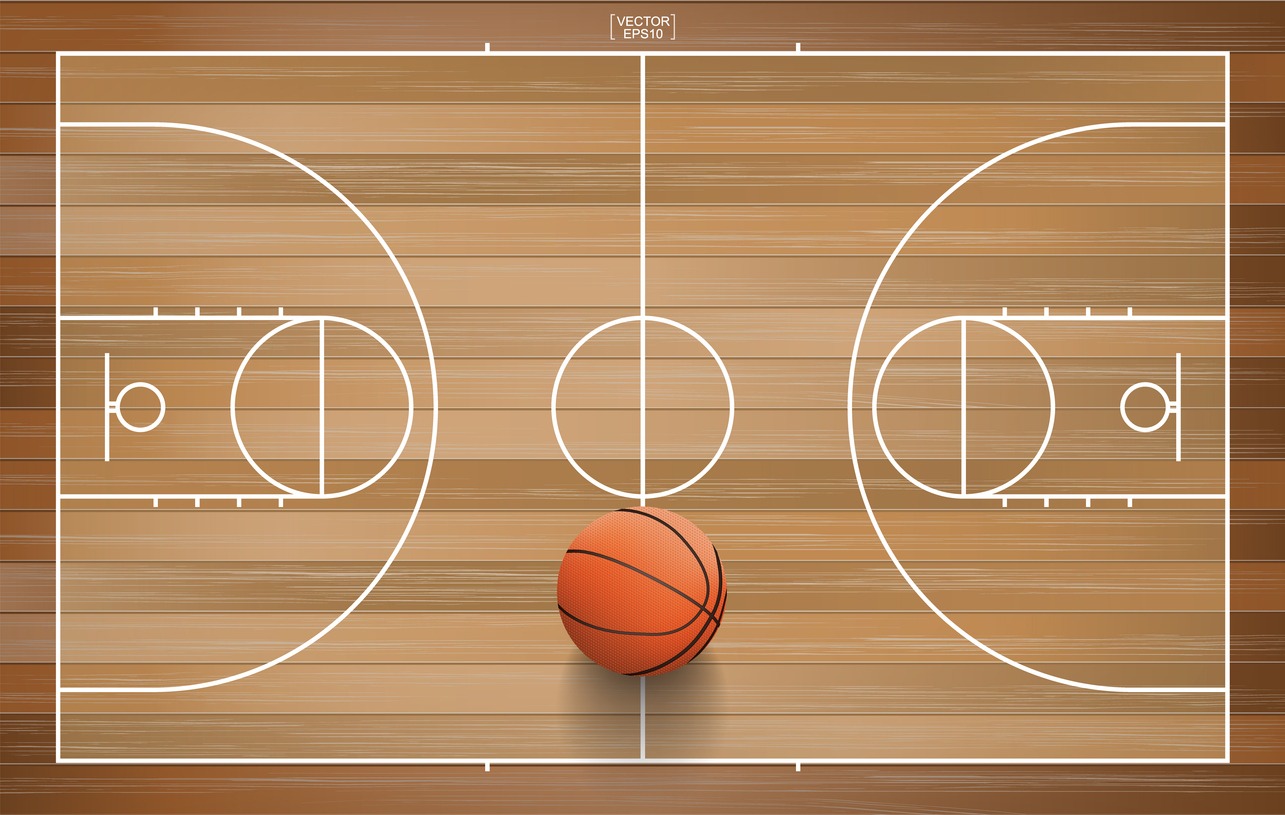
When considering court design innovations in basketball, it's important to recognize the significance of the standard basket height established in 1892, which has consistently challenged players. The introduction of the midcourt line in 1932 accelerated the pace of the game by requiring teams to advance the ball quickly. Additionally, the three-second rule, instituted in 1936, prevented offensive players from staying under the basket for extended periods, thereby enhancing the game's dynamism.
Standard Basket Height
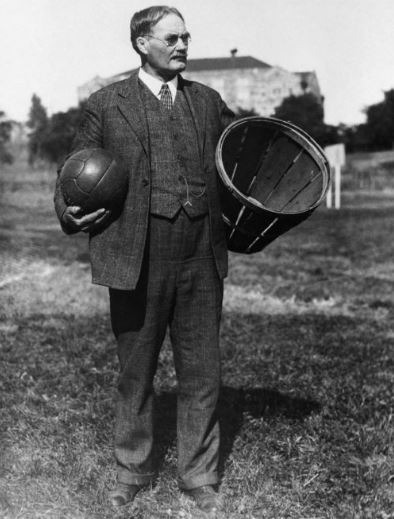
Basketball's standard basket height, set at 10 feet in 1892, has consistently shaped the game's challenge and excitement. This height was established with the original peach baskets, creating a universal benchmark for hoops worldwide. Over time, these peach baskets were replaced by metal rims, enhancing gameplay and allowing for consistent rebounds.
Despite the increasing athleticism and skill of players, the 10-foot basket height has remained unchanged. This consistent standard ensures that the game remains challenging, pushing players to refine their techniques and strategies. The introduction of heavy woven wire rims in 1892 contributed notably to:
- Consistent rebounds: These sturdy rims ensured predictable ball bounces, maintaining the game's flow.
- Reduced basket interference: Goals were more likely to be counted accurately, as the robust design minimized disruptions.
- Enhanced gameplay: The basket's durability allowed for more dynamic and competitive play.
In 1912, open-ended nylon nets were approved, significantly improving the visual appeal of successful shots. This innovation added to the game's aesthetic, making it more enjoyable for spectators and cementing basketball's status as a thrilling and visually engaging sport.
Midcourt Line Introduction
The introduction of the midcourt line in 1932 revolutionized basketball by curbing stalling tactics and promoting a faster, more engaging pace. This fundamental change prevented long periods of inaction, compelling teams to play more dynamically. In 1933, the 10-second rule was enacted, requiring teams to advance the ball past the midcourt line within 10 seconds, further encouraging continuous offensive action and reducing downtime.
The midcourt line also clarified possession rules, simplifying decisions regarding out-of-bounds situations and making the game more structured. Teams had to adapt their strategies to meet this new requirement, leading to the evolution of offensive and defensive schemes that emphasized speed and precision to comply with the 10-second rule.
The significance of the midcourt line was profound, contributing to a more organized game and laying the groundwork for the athletic and fast-paced styles seen in modern basketball. By encouraging quick transitions and dynamic play, the midcourt line added excitement and complexity to the sport, making it more engaging for both players and fans.
Three-Second Rule
In 1936, the three-second rule was introduced to basketball to prevent offensive players from lingering near the basket for too long. This rule restricts offensive players from staying in the key, also known as the painted area, for more than three seconds unless they are actively involved in a play.
The three-second rule has significantly impacted basketball history by encouraging movement and spacing on the offensive end, leading to higher scoring averages. Specifically, it has:
- Promoted dynamic gameplay
- Pushed teams to innovate their defensive strategies
- Prevented the game from slowing down
The dimensions of the three-second area have evolved, with the lane width eventually being standardized to 12 feet in the NBA. This change has allowed more space for both offensive and defensive maneuvers, further shaping the game's strategic elements. Since its introduction, the three-second rule has been fundamental in balancing inside scoring threats and preventing players from camping in the paint. It remains one of the most impactful rule changes in basketball history.
Possession and Game Flow
The evolution of possession rules has significantly influenced basketball's game flow, making it more engaging and fast-paced. Initially, possession disputes were common until a 1914 rule change granted automatic possession to the team not last touching the ball, simplifying out-of-bounds decisions and reducing interruptions.
Further notable changes occurred in 1924 when the elimination of free throws for non-contact violations accelerated the pace of the game, keeping both players and spectators more engaged. In 1930, a rule requiring teams to advance past half-court within 10 seconds was introduced, along with a 5-second limit on holding the ball in the backcourt. These adjustments promoted faster gameplay and curtailed stalling tactics.
In 1937, the elimination of the center jump after every basket allowed for more continuous play and fewer stoppages, significantly improving game flow. The 1981 introduction of the alternating possession rule for tie-ups replaced the cumbersome jump ball, further streamlining gameplay.
Collectively, these modifications have transformed basketball from its slower-paced origins to the thrilling, fast-paced sport we enjoy today.
Equipment and Aesthetic Changes
Numerous equipment and aesthetic changes have shaped basketball into the dynamic sport it is today. One of the most significant innovations was the introduction of the glass backboard in 1910. This change improved visibility for fans and prevented spectator interference, making scoring more controlled and fair.
Standardization has played a crucial role in basketball's development. For instance, backboards became standard equipment in 1895 to prevent fans from obstructing shots. The court dimensions, set at 94x50 feet, have remained largely unchanged, providing a consistent playing environment over the years.
Several other equipment updates have contributed to the game's evolution:
- The introduction of heavy woven wire rims in 1892 improved durability and playability.
- Open-ended nylon nets, introduced in 1912, increased the game's tempo and aesthetic appeal.
- Modern basketballs, standardized to a circumference of 29.5 inches and a weight range of 20-22 ounces, replaced the original specifications, making the ball easier to handle and shoot.
These changes have not only made the game more exciting but have also ensured that players perform in a consistent, fair, and visually appealing environment.
Player Safety Regulations
Over the decades, player safety regulations have profoundly shaped basketball, ensuring the well-being of athletes while maintaining the sport's competitive nature. The implementation of the goal-tending rule in 1944 marked a significant step in enhancing player safety by prohibiting defensive players from touching downward shots. This change reduced injuries from aggressive defensive plays and protected players from potentially dangerous confrontations near the basket.
In 1958, the offensive basket interference rule was enacted in response to players like Bill Russell who employed risky tactics. This rule aimed to safeguard offensive players and uphold the integrity of the game. From 1967 to 1977, the dunking rule was enforced to prevent injuries and damage to the basket, specifically targeting high-flying dunkers such as Lew Alcindor to ensure safer play above the rim.
Early games featured wire mesh barriers that led to injuries from rough play, prompting the league to reduce the game's physicality to enhance player safety. Over time, modifications to rules regarding hand-checking and physical contact have been progressively implemented, allowing more freedom of movement and reducing injury risks during gameplay. These regulations have been vital in fostering a safer yet still thrilling basketball experience.