What Is AfroBasket?

AfroBasket, the premier championship for national basketball teams in Africa, has been a cornerstone of the sport on the continent since 1962. This significant event not only highlights the immense talent and growth of basketball in Africa but also underscores the rigorous qualification process and its influence on future tournaments. AfroBasket has played a crucial role in shaping the careers of notable players and has a counterpart in the Women's AfroBasket, further emphasizing its importance in the development of the sport.
History and Evolution
AfroBasket, the premier basketball tournament in Africa, has a storied history dating back to 1962 when the inaugural event was held in Cairo, Egypt. Egypt triumphed in this first tournament, remaining undefeated among the five participating teams: Egypt, Sudan, Morocco, Guinea, and Ethiopia. Since its modest beginnings, the FIBA AfroBasket tournament has evolved significantly, mirroring the rising prominence of basketball across the continent.
Originally held every two years, AfroBasket transitioned to a four-year cycle starting in 2017 to better align with other international basketball competitions and to allow teams more preparation time. By the 2021 edition, the tournament had celebrated its 30th occurrence, underscoring its enduring legacy.
A key aspect of AfroBasket's evolution is its expanding format. From its initial five teams, the tournament has grown to include 16 nations, reflecting the sport's burgeoning popularity and increasing competitiveness in Africa. Among the participants, Angola has distinguished itself as the most successful team, securing 11 titles since their first win in 1989. This growth highlights the critical role of FIBA AfroBasket in fostering and promoting basketball throughout the continent.
Qualification Process
The history and evolution of AfroBasket highlight the tournament's growing prestige and competitive spirit. Sixteen African teams qualify for the FIBA AfroBasket finals through a structured and inclusive qualification process based on regional subzones.
Before 2021, the qualification process was organized around FIBA Africa's seven subzones. Each subzone held a qualification tournament a year before the championship to determine the teams that would compete.
In 2021, significant changes were introduced to the qualification process. The new system eliminated wild cards and automatic berths for previous champions, thereby increasing the competition's intensity. Now, all national teams must excel in their regional tournaments to secure a spot in the AfroBasket finals. This shift emphasizes merit and performance, ensuring that only the best teams advance to the tournament.
Tournament Structure
View this post on Instagram
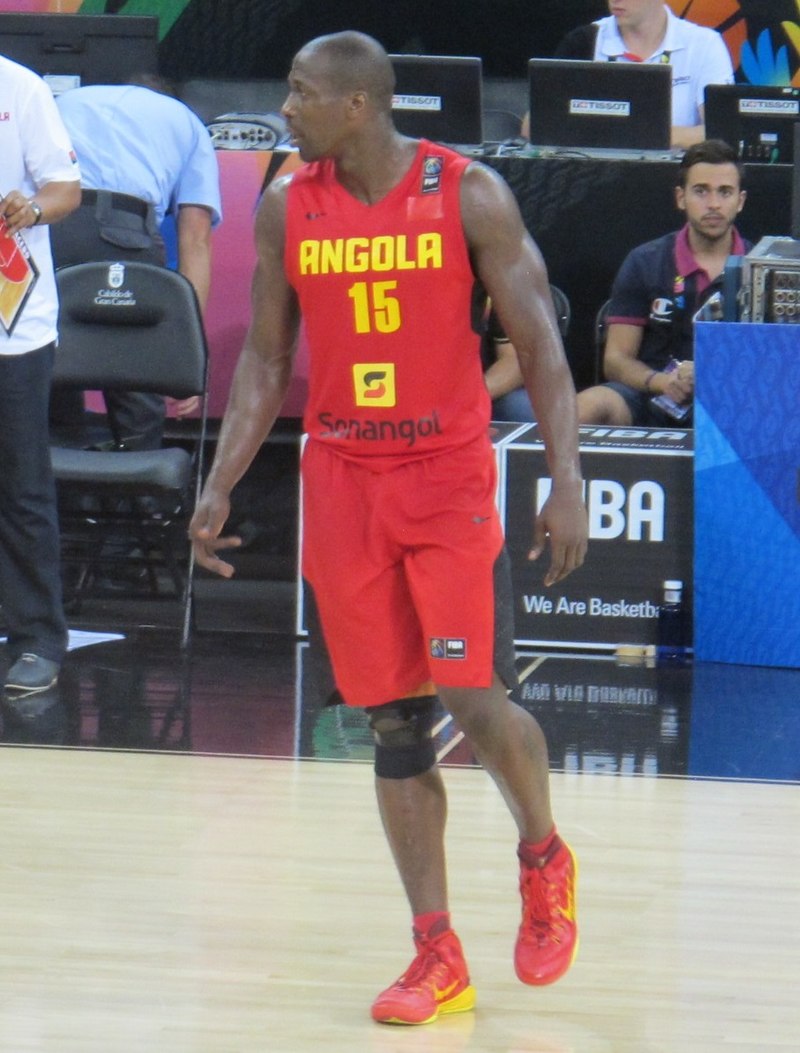
In the AfroBasket tournament, 16 national teams compete in the group stages, earning points based on their match outcomes. These points determine their rankings and which teams advance to the knockout rounds. The knockout stage then decides the champion, with medals awarded to the top three teams. Sixteen African teams qualify for the FIBA AfroBasket finals through regional subzone tournaments. Each of the six subzones (Zone 2 to Zone 7) is allocated two berths, while Zone 1 receives one berth. This ensures broad representation from across the continent and supports the development of basketball in various regions. The qualification process for the FIBA Africa Championship is competitive and equitable, having evolved to eliminate wild cards and automatic berths for previous champions. This system emphasizes merit, ensuring that every team earns its spot through performance. The tournament structure involves group stages and knockout rounds, where the top teams compete for a chance to qualify for the FIBA Basketball World Cup. This rigorous process ensures that only the best teams advance to the AfroBasket finals, making the championship both prestigious and thrilling. How does the knockout stage of AfroBasket keep fans on the edge of their seats? The knockout stage follows a thrilling single-elimination format, meaning teams must win to advance. This setup guarantees high-stakes matches and unforgettable moments. Before reaching this stage, teams battle it out in group phases, where their performances and points determine who moves on. Once in the knockout stage, the excitement ramps up: This knockout format makes every game critical—one loss means immediate elimination. The intensity is palpable, and fans can't help but be captivated by the do-or-die nature of each match. It's a structure designed to bring out the best in teams while delivering maximum excitement to the audience. Angola stands as the most decorated team in AfroBasket history, having clinched 11 titles since their first victory in 1989. Their sustained excellence and competitive edge make them the benchmark in African basketball. Egypt and Senegal follow as significant powerhouses, each securing five AfroBasket titles. These nations consistently demonstrate their prowess, reinforcing their status as top contenders in African basketball. In total, 15 nations have been recognized for their medal achievements, showcasing the widespread talent in African basketball. Countries such as Ivory Coast, Central African Republic, and Nigeria have also made notable contributions to the medal table, enhancing the tournament's prestige. Medal rankings are determined by the number of gold, silver, and bronze medals each country has secured, reflecting their overall success and consistency in the tournament. Stephreef at English Wikipedia< /a>, Eduardo Mingas, CC BY-SA 3.0 AfroBasket is synonymous with standout players and prestigious awards. Notable figures such as Ben Romdhane, who earned MVP honors in 2021, Eduardo Mingas, and Gorgui Dieng exemplify the tournament's exceptional talent. Angola's dominance, with 11 titles, and the contributions of players like Ike Diogu, underscore the rich history and emerging stars in African basketball. AfroBasket consistently celebrates the exceptional talents emerging from its fierce competitions, with MVPs like Ben Romdhane in 2021 exemplifying peak performance. His outstanding contributions were crucial throughout the tournament, showcasing why the MVP award remains one of the most coveted accolades in AfroBasket. Angola, a dominant force with a record 11 championship titles, has produced numerous notable players who have earned individual awards. Their success proves the caliber of talent the tournament attracts. Beyond the MVP, AfroBasket also honors the top scorers, defensive players, and best coaches, recognizing the diverse skills that contribute to a team's triumph. Countries like Nigeria and Senegal have also seen their athletes achieve multiple accolades, further enriching AfroBasket's history with exceptional talent. Each tournament edition culminates with the announcement of all-tournament teams, celebrating standout performances. Key awards include: These recognitions highlight the individual brilliance that makes AfroBasket a premier basketball event. Historic player achievements in AfroBasket have left an indelible mark on the tournament's rich legacy. Eduardo Mingas, an Angolan legend, led his team to multiple championships and clinched the MVP honor in 2003, showcasing his dominance on the court. Senegal's Gorgui Dieng made waves at AfroBasket 2021, earning recognition as one of the top performers and significantly elevating Senegal's performance. Nigeria's Adaora Elonu, captain of D'Tigress, was instrumental in her team's success during the 2019 AfroBasket Women's Championship, where she earned the MVP award, solidifying her legacy in Nigerian basketball history. Ben Romdhane from Tunisia was the standout player of AfroBasket 2021, earning the MVP title for his remarkable ability to excel under pressure and guide his team to victory. Here's a quick look at some notable player achievements in AfroBasket: These players have undeniably shaped AfroBasket's storied history with their outstanding performances. The 2021 FIBA AfroBasket highlighted a new generation of rising basketball stars making their mark on both the African and global stages. Leading the way was Ben Romdhane, who earned the MVP title for his exceptional performance throughout the tournament. His skills and leadership were pivotal in Tunisia's success, positioning him as one of AfroBasket's standout players. Nigeria's women's team has also been a dominant force, buoyed by their talented roster. Multiple championships have cemented their dominance in African women's basketball, with players like Ezinne Kalu and Evelyn Akhator gaining international recognition. Countries like Angola and Senegal consistently produce significant talents, contributing to their strong historical performances in AfroBasket tournaments. Players from these nations have set records and achieved remarkable feats, adding to the event's competitive spirit and excitement. Individual player recognitions have soared, with emerging stars setting new scoring records and gaining global attention. This increased visibility has not only highlighted the skill level in AfroBasket but also elevated the profile of African basketball worldwide. Here are some notable achievements: AfroBasket continues to be a platform where future basketball legends are born. Since its inception in 1966, Women's AfroBasket has been the premier platform for women's basketball in Africa, organized by FIBA Africa. This tournament brings together national teams from across the continent, showcasing top-tier talent. The competition format includes group stages followed by knockout rounds, creating an exciting and competitive atmosphere throughout. Notably, Nigeria, Angola, and Senegal have been some of the most successful teams in Women's AfroBasket history. Nigeria, in particular, has dominated in recent years, clinching multiple championships and demonstrating exceptional skill and teamwork. These top-performing teams often qualify for the FIBA Women's Basketball World Cup, enhancing their international presence. Women's AfroBasket goes beyond the competition; it aims to promote and support women's sports across Africa. The tournament has grown in both participation and visibility, inspiring a new generation of female athletes and increasing support for women's basketball. By engaging with Women's AfroBasket, you're supporting a movement that empowers and uplifts women in sports across the continent. AfroBasket's evolution has significantly enhanced basketball's popularity and development across Africa. Since its inception in 1962, the tournament has seen participation from 39 national teams, reflecting the sport's growing appeal on the continent. The shift from a biennial to a quadrennial format in 2017 has created a more structured and competitive environment, essential for nurturing talent. Angola's record of 11 titles underscores the competitive progress within the continent, motivating other nations to invest in their basketball programs. Such investments are crucial as they elevate the level of competition and promote the sport's growth at the grassroots level. The increased visibility of AfroBasket has attracted international attention, providing African players with more scouting opportunities and potential pathways to global basketball careers. This exposure is vital for aspiring athletes aiming to make a mark on the world stage. AfroBasket also fosters community engagement, strengthening the bond between basketball and youth development. Local support during tournaments is instrumental in nurturing the next generation of players.Team Qualification Criteria
Knockout Stage Format
Medal Achievements
Notable Players and Awards
MVPs and Award Winners
Historic Player Achievements
Player Achievement Eduardo Mingas MVP in 2003 Gorgui Dieng Top performer in 2021 Adaora Elonu MVP in 2019 (Women's) Ben Romdhane MVP in 2021 Rising Basketball Stars
Women's AfroBasket
Growth and Impact
Key Growth and Impact Points: