What Were Dr. James Naismith's Original 13 Rules of Basketball?
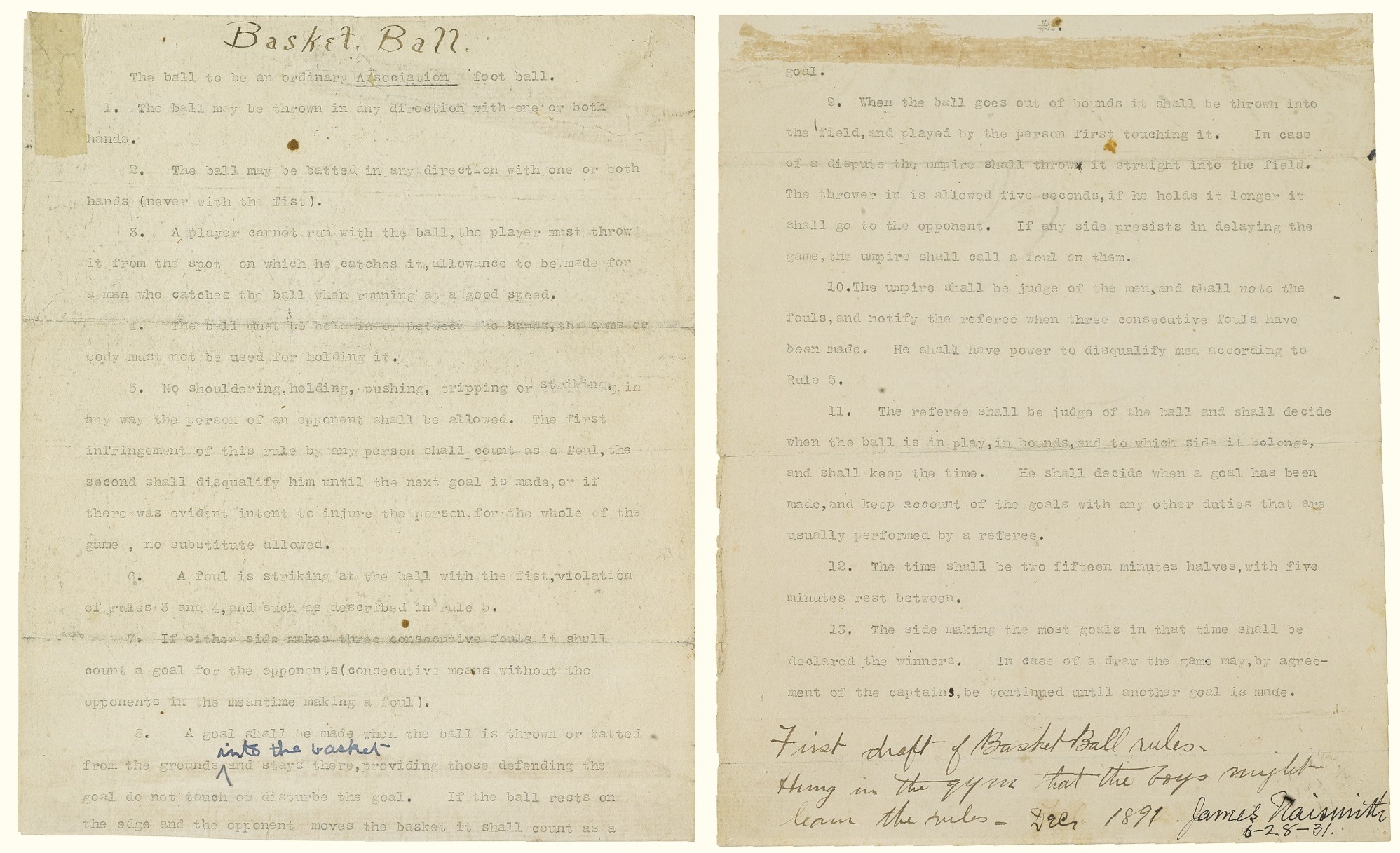
When considering the origins of basketball, Dr. James Naismith's original 13 rules, formulated in 1891, are pivotal. These rules aimed to promote fair play and sportsmanship, focusing on passing instead of running with the ball and reducing physical contact. These guidelines established a foundation for a sport that prioritizes teamwork and respect. Naismith also defined the roles of referees, the game's duration, and the conditions for winning, providing a comprehensive framework that has influenced the evolution of basketball into the sport we recognize today.
Ball Direction
Ball Direction
In the original 13 rules of basketball, the ball's direction was crucial for maintaining the game's flow. Players could throw the ball in any direction using one or both hands, enabling versatile passing strategies and keeping the game dynamic. This flexibility allowed players to adapt to different situations, making each play unpredictable and exciting.
However, while players could bat the ball in any direction with one or both hands, striking the ball with a fist was strictly prohibited. This rule ensured fair play and prevented overly aggressive tactics. Additionally, players were not allowed to run with the ball; they had to throw it from the spot where they caught it. This rule emphasized skillful passing and teamwork over individual play.
Handling the ball also required precision. Players had to hold the ball exclusively in or between their hands; using the arms or body to hold it was not allowed. This ensured that players developed and maintained good ball-handling skills. Violating these rules, such as running with the ball or using the body improperly, resulted in a traveling violation, disrupting the game's flow and giving possession to the other team.
Ball Batting
Ball batting in the original 13 rules of basketball emphasizes strategic play without physical aggression. Players can direct the ball using one or both hands, but using a fist is strictly prohibited. This rule encourages skillful handling of the ball and minimizes the risk of injury or fouls. Here's what you need to know:
- Use of Hands: Players must use open hands to bat the ball, promoting precision and preventing aggressive strikes.
- No Fist Strikes: Striking the ball with a fist is not allowed, ensuring the game remains non-violent and skill-focused.
- Spot Play: After catching the ball, players must throw or bat it from where they stand, ensuring continuous play and strategic positioning.
Running With Ball
To keep the game fair and skill-based, the original rules of basketball strictly prohibit running with the ball. This means you can't move around the court with the ball in your hands. Instead, you must pass the ball to your teammates to advance it. This rule ensures that players maintain control and exercise strategic decision-making.
When you catch the ball, you must throw it from the spot where you received it. This promotes strategic positioning, requiring players to think ahead and coordinate their movements effectively. Emphasizing passing over running with the ball fosters teamwork, as no single player can dominate the game by simply sprinting down the court.
Violating the rule against running with the ball results in a turnover, granting possession to the opposing team. This reinforces the importance of adhering to the prescribed method of ball handling. Before dribbling was introduced in 1897, this rule was crucial in keeping the game organized and skill-based. The prohibition on running with the ball under the original rules underscores the importance of control, passing, and teamwork in the early days of basketball.
Ball Handling
Proper ball handling is crucial for maintaining the smooth and fair flow of a basketball game. Here are the essential guidelines:
- Throwing and Batting: You may pass the ball in any direction using one or both hands. However, you can bat the ball only with your hands; striking it with a fist is prohibited.
- Traveling: Running with the ball is not allowed. If you catch the ball, you must either shoot, pass, or dribble from that spot. Moving without dribbling results in a traveling violation.
- Holding the Ball: The ball must be held using only your hands. Securing it with your arms or body constitutes a foul.
These rules ensure semantic accuracy, completeness, consistency, conciseness, relevance, interoperability, and trustworthiness in the game of basketball.
Player Contact
You cannot shoulder, hold, push, trip, or strike your opponents to ensure fair play and safety. An initial infringement results in a foul, while a second infringement results in your temporary removal from the game until the next goal is scored. Any intent to injure leads to immediate disqualification from the entire game, highlighting the importance of these rules.
No Physical Aggression
Dr. James Naismith's original 13 rules of basketball strictly prohibited physical aggression to ensure fair play, player safety, and game control. These rules banned actions like shouldering, holding, pushing, tripping, and striking opponents, emphasizing discipline and respect among players.
Violations of these rules had immediate and clear consequences:
- First Offense: A foul was called against the offending player.
- Second Offense: The player faced disqualification until the next goal was scored, highlighting the importance of maintaining control.
- Intentional Aggression: Any intentional action that could injure an opponent resulted in disqualification for the entire game, underscoring a strong stance on player safety.
Additionally, if a team accumulated three consecutive fouls, the opposing team was awarded a goal. This rule reinforced the need to avoid aggressive play and prioritize fair competition. Naismith's original 13 rules clarified that basketball wasn't just about scoring points but also about maintaining a respectful and controlled environment on the court.
First Infringement Penalty
Naismith's emphasis on fair play and safety is evident in his primary infringement penalties for player contact. If you, as a player, commit physical contact infractions such as shouldering or holding an opponent, you're charged with a foul. This serves as a warning to uphold sportsmanship and avoid unnecessary aggression.
For a second infringement, the penalties increase. You are disqualified from play until the next goal is scored by either team, with no substitutions permitted during this period. This underscores the importance of discipline and aims to deter repeat offenses, promoting a cleaner, more respectful game environment.
If your actions show an intent to injure another player, the consequences are more severe. You'll be immediately disqualified for the entire game, with no possibility of return. This stringent measure reflects Naismith's commitment to player safety and fostering a positive playing atmosphere.
Furthermore, if a team commits three consecutive fouls, it automatically results in a goal for the opposing team. This rule further discourages repeated infractions and encourages adherence to fair play and sportsmanship principles. By establishing these clear penalties, Naismith ensured that the game remained competitive and respectful.
Full Game Disqualification
A player's intent to injure an opponent results in immediate disqualification from the game, underscoring the importance of safety and sportsmanship in basketball. In Naismith's original rules, maintaining player safety was paramount. If a player commits a foul, they receive a warning, but a second infringement of physical contact rules leads to their disqualification until the next goal is scored. This rule aims to discourage rough play and guarantee fair competition.
To maintain discipline, players who repeatedly violate these rules face severe consequences:
- First Infringement: Results in a foul.
- Second Infringement: Leads to disqualification until the next goal.
- Three Consecutive Fouls: Award a goal to the opposing team.
When a player is disqualified for the second infringement, they leave the game, and no substitutions are allowed. This rule emphasizes the significance of maintaining control and playing within the boundaries of fairness. Moreover, if any team commits three consecutive fouls, the opposing team is awarded a goal, further incentivizing players to avoid unnecessary contact. Each player must respect their opponents to foster a safe and enjoyable environment.
Foul Definition
In basketball, comprehending the concept of a foul is vital for both players and fans. Dr. James Naismith's original rules define a foul as striking the ball with a fist, an action that is strictly prohibited. However, fouls encompass more than just this action; they also include running with the ball, holding, pushing, tripping, or shouldering opponents. Each of these actions results in penalties.
A first offense is recorded as a foul. If a player commits a second foul, they are disqualified until the next goal is scored, highlighting the importance of discipline and control on the court.
If a player commits three consecutive fouls, their team is penalized by awarding a goal to the opposing team. This rule is designed to discourage delaying the game and to promote fair play. Additionally, any intent to injure an opponent leads to disqualification for the entire game.
Here's a quick reference guide:
| Foul Type | Consequence | Severity |
|---|---|---|
| Striking the ball with a fist | Immediate foul | High |
| Initial infringement | Foul noted | Moderate |
| Second foul | Disqualification until next goal | High |
| Three consecutive fouls | Goal awarded to opposing team | High |
| Intent to injure | Disqualification for the entire game | Severe |
Understanding these rules ensures the game's integrity and fairness.
Goal Scoring
Scoring in basketball involves successfully getting the ball into the basket. For a goal to be counted, the ball must be thrown or batted into the hoop and remain there without interference. Defenders cannot touch or disturb the basket while a shot is in progress, ensuring that each goal is valid and fair.
Key Points to Remember:
- Ball Position: The ball must be released towards the hoop, and if it rests on the edges of the basket and the basket is moved, the goal still counts.
- Defenders' Role: Defenders must avoid touching the basket during a shot attempt. Any interference can nullify the score.
- Referee's Role: The referee is responsible for determining whether a goal is valid, thereby safeguarding the game's integrity.
The objective is to score more goals than the opposing team. At the end of the game, the team with the most goals wins. Accurate scoring, verified by the referee, is essential to determining the rightful winner.
Out of Bounds
When the ball goes out of bounds, the game must quickly resume to maintain the action. According to Dr. James Naismith's original rules, the first player to touch the ball after it goes out of bounds should throw it back into play, ensuring the game doesn't stall and keeps spectators engaged.
Players have a maximum of five seconds to make the throw-in, promoting efficient game flow and preventing unnecessary pauses. If there is a dispute about who should throw the ball back in, the umpire resolves it by throwing the ball in. This impartial intervention ensures fairness and keeps the game moving smoothly.
Persistent delays, such as taking longer than five seconds to complete the throw-in, result in a foul called by the umpire. This penalty discourages stalling tactics and ensures adherence to the rules. By implementing these guidelines, Naismith aimed to maintain a seamless and dynamic game, preventing disruptions that could affect the flow and excitement of basketball.
Umpire Role
Throughout a basketball game, the umpire's role is crucial in ensuring fair play and adherence to the rules originally established by Dr. James Naismith. As the arbiter of the game, the umpire is responsible for calling fouls and informing the referee of any infractions, ensuring that all players' actions are carefully monitored and any foul is promptly addressed.
Key responsibilities of an umpire include:
- Calling Fouls: The umpire identifies and calls any fouls, especially focusing on repeated infractions by one team, which can result in significant penalties.
- Disqualifying Players: They have the authority to disqualify players who commit severe infractions, ensuring the game remains fair and just.
- Maintaining Order: Umpires intervene in disputes and ensure compliance with game rules, keeping the match flowing smoothly.
Umpires' decisions significantly impact the game's flow, as they enforce rules and manage player conduct on the court. Through these actions, they uphold the integrity of basketball, as intended by Dr. Naismith.
Referee Duties
As a referee, you determine when the ball is in play and make decisions regarding possession during jump balls and out-of-bounds situations. You validate goals and maintain an accurate score to ensure fair play. Managing game time and consistently enforcing rules are crucial to preserving the flow and integrity of the game.
Judging Ball Possession
The referee's role in judging ball possession is crucial for maintaining the flow and fairness of a basketball game. They make key decisions about when the ball is in play and when it's out of bounds, ensuring the game progresses smoothly according to the established rules.
Referees determine which team gets control of the ball after stoppages or violations. Their responsibilities include:
- Identifying Violations: Detecting infractions like traveling or double dribbling and awarding ball possession to the opposing team.
- Out-of-Bounds Decisions: Determining which team last touched the ball before it went out of bounds, thereby deciding who gains possession.
- Timekeeping: Managing the game's duration and stoppages to ensure play stays within the allotted time.
Additionally, referees confirm the validity of goals scored, ensuring that each basket is accurately counted and maintaining the correct score for each team. They use specific signals to communicate their decisions about ball possession and other rulings to players, coaches, and spectators clearly.
Goal Verification Process
As a referee, managing ball possession and verifying goals are critical responsibilities to maintain the integrity of the basketball game. You must confirm when a goal has been scored by ensuring the ball has passed through the basket and remains there without interference.
Here's an overview of your key tasks:
| Task | Key Actions |
|---|---|
| Confirming Goals | Ensure the ball passes through the basket without interference. |
| Tracking Scores | Maintain a detailed record of the total goals scored. |
| Monitoring Fouls | Detect any interference by defenders during the scoring process. |
| Resolving Disputes | Review and make final decisions on any disputed goals. |
Additionally, you must ensure that defenders do not touch or disturb the goal or the ball during the scoring process, as such actions can invalidate the score. In case of disputes, you have the authority to review the situation and make a final decision. Your role also involves signaling goals clearly and communicating scoring decisions effectively to both players and spectators.
Timekeeping and Scoring
Referees play a vital role in managing game time and scoring, ensuring smooth gameplay on the court. They determine the ball's status and ensure all plays comply with the established rules. As the game progresses, the referee will announce the total game duration and any stoppages.
When a goal is scored, the referee must verify it and accurately update the team's score. Here's how they do it:
- Counting a Goal: Referees must confirm the ball has passed through the hoop and update the score accordingly.
- Recording Fouls: They track any infractions by players to ensure fair play.
- Action on Consecutive Fouls: When three consecutive fouls are committed, referees take the necessary actions as per the rules.
Effective communication between referees and umpires is crucial. For instance, after a stoppage, the umpire will throw the ball back into play. Referees also keep an accurate account of the goals, ensuring every point is correctly tallied. By managing both time and scoring, referees maintain the integrity and smooth flow of the game.
Game Duration
When discussing the original rules of basketball, it's notable that the game was designed to last for two 15-minute halves, totaling 30 minutes of playtime. Including a 5-minute rest period between halves, the total game time amounted to 35 minutes. This structure aimed to maintain a fast-paced and engaging game. Each half was tightly controlled, with players allowed five seconds to inbound the ball, ensuring brisk and continuous action.
In the event of a draw at the end of the 30 minutes, the game did not automatically go into overtime. Instead, the resolution of a tie was left to the agreement of the captains, who could decide either to continue play to determine a winner or to end the game as a draw. This flexible approach promoted sportsmanship and mutual respect, reflecting the early spirit of basketball. By placing the decision in the hands of the captains, the original rules emphasized fair play and cooperation among players.
Winning Conditions
To win in basketball, your team needs to score more points than the opposing team by the end of the game. If the score is tied at the end of regulation time, the game will go into overtime periods until a winner is determined. It's crucial to avoid committing consecutive fouls, as these can lead to free throws for the opposing team, potentially altering the game's momentum and your strategy.
Most Goals Win
In basketball, the team with the highest score at the end of the game wins. Dr. James Naismith's original rules emphasized this core principle. To win, your team must maximize scoring while effectively managing the game clock. Key strategies include:
- Scoring Points: Points are earned when the ball is successfully shot into the basket and remains undisturbed. Accurate and uncontested shots can significantly boost your score.
- Avoiding Fouls: Committing fouls can disrupt your team's momentum and scoring opportunities. Maintaining discipline and minimizing unnecessary contact will preserve your chances to score.
- Time Management: Efficient use of time is crucial. Whether executing plays or maintaining defensive pressure, managing the game's pace can provide a strategic advantage to outscore the opponent.
Draw Resolution Method
While maximizing your score and managing time are essential, understanding the original draw resolution methods can be equally significant. In Dr. James Naismith's initial rules, the game was won by the team that scored the most goals by the end of the game. However, the rules also accounted for ties. If teams had an equal number of goals at the end of the designated time—two 15-minute halves and a 5-minute rest period—the captains had the authority to decide whether to continue play until a winner was determined.
This lack of a strict time limit for resolving ties meant games could extend indefinitely until one team ultimately outscored the other. Goals were counted simply as points, without any added complexity based on where or how they were scored. This straightforward approach emphasized teamwork, endurance, and strategic play, as teams needed to maintain their energy and focus during potentially prolonged periods of play.
Understanding these original rules highlights how fundamental aspects like stamina and mutual agreement between captains were vital in determining the game's winner. This contrasts with today's more regimented tie-breaking methods and reflects the evolving nature of basketball's competitive structure.
Strategy Adjustments
Effective strategy adjustments are crucial for securing victory under the original rules of basketball. Achieving the primary objective of scoring the most points by the end of the game requires a well-rounded approach that balances aggressive offense with disciplined defense to avoid unnecessary fouls. Three consecutive fouls can result in a free goal for your opponents, potentially tipping the scales against you.
Here are three key strategies to adjust during play:
- Time Management: Monitor the clock, particularly during critical moments. Effective management of time can help you capitalize on scoring opportunities and prevent the opposition from gaining an advantage, especially when the game is tied.
- Mid-Game Adjustments: Utilize the break between the two 15-minute halves to reassess and refine your strategy. Evaluate your performance, identify weaknesses, and adjust your game plan to exploit your opponent's vulnerabilities.
- Discipline and Control: Play with discipline to minimize fouls. Each foul brings your opponents closer to scoring, so maintain control and avoid reckless actions to keep the game in your favor.
Historical Context
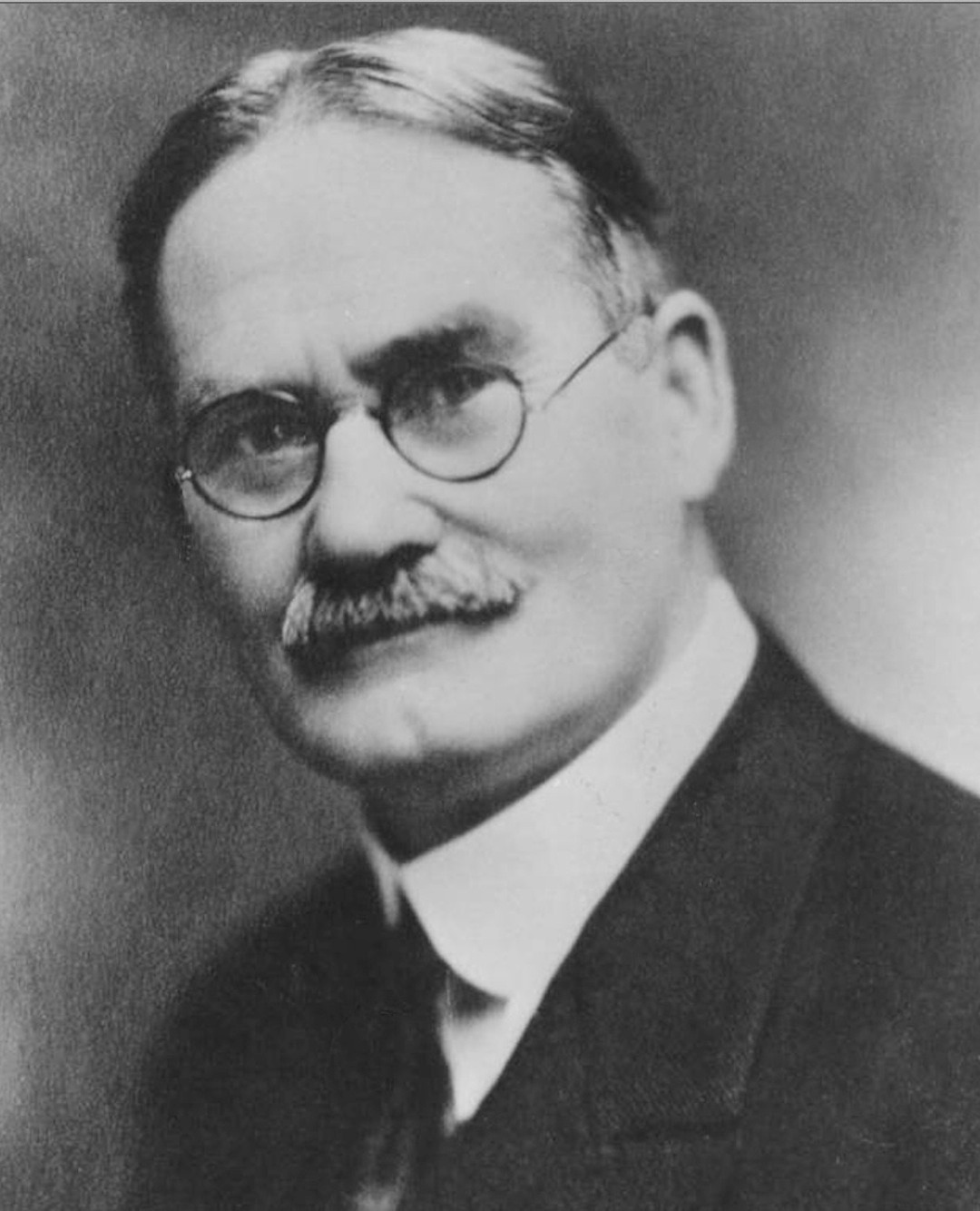
In December 1891, Dr. James Naismith developed the original 13 rules of basketball to create an engaging indoor sport for students facing harsh winters in Springfield, Massachusetts. Naismith designed basketball to keep students active and healthy during the winter months. His rules, published in The Triangle, Springfield College's newspaper, emphasized fair play and sportsmanship, highlighting his commitment to nurturing character among young athletes. This moment in sports history introduced a structured and enjoyable game focused on team effort and ethical conduct.
Naismith's educational background significantly influenced his approach. He aimed to devise a game that was both physically stimulating and morally uplifting. The initial basketball game, played with nine players per team and starting with a jump ball, showcased the simplicity and practicality of his design. Over the past 130 years, these original rules have evolved, but the core principles of fair play and character development remain embedded in the sport. Today, basketball is a global phenomenon played by millions, thanks to Naismith's visionary framework.