When Did Basketball Become Popular Worldwide?

Have you ever wondered how basketball evolved from a simple game invented in 1891 to a global phenomenon? The sport's journey to worldwide popularity is fascinating, marked by significant milestones like its inclusion in the 1936 Olympics and the establishment of FIBA in 1932. However, the real catalyst for basketball's explosive growth came in the 1980s and 1990s, driven by iconic moments and teams, most notably the U.S. Dream Team's dominance in the 1992 Olympics. These developments significantly contributed to the sport's cultural impact and the modern trends we see today.
Invention and Early Development
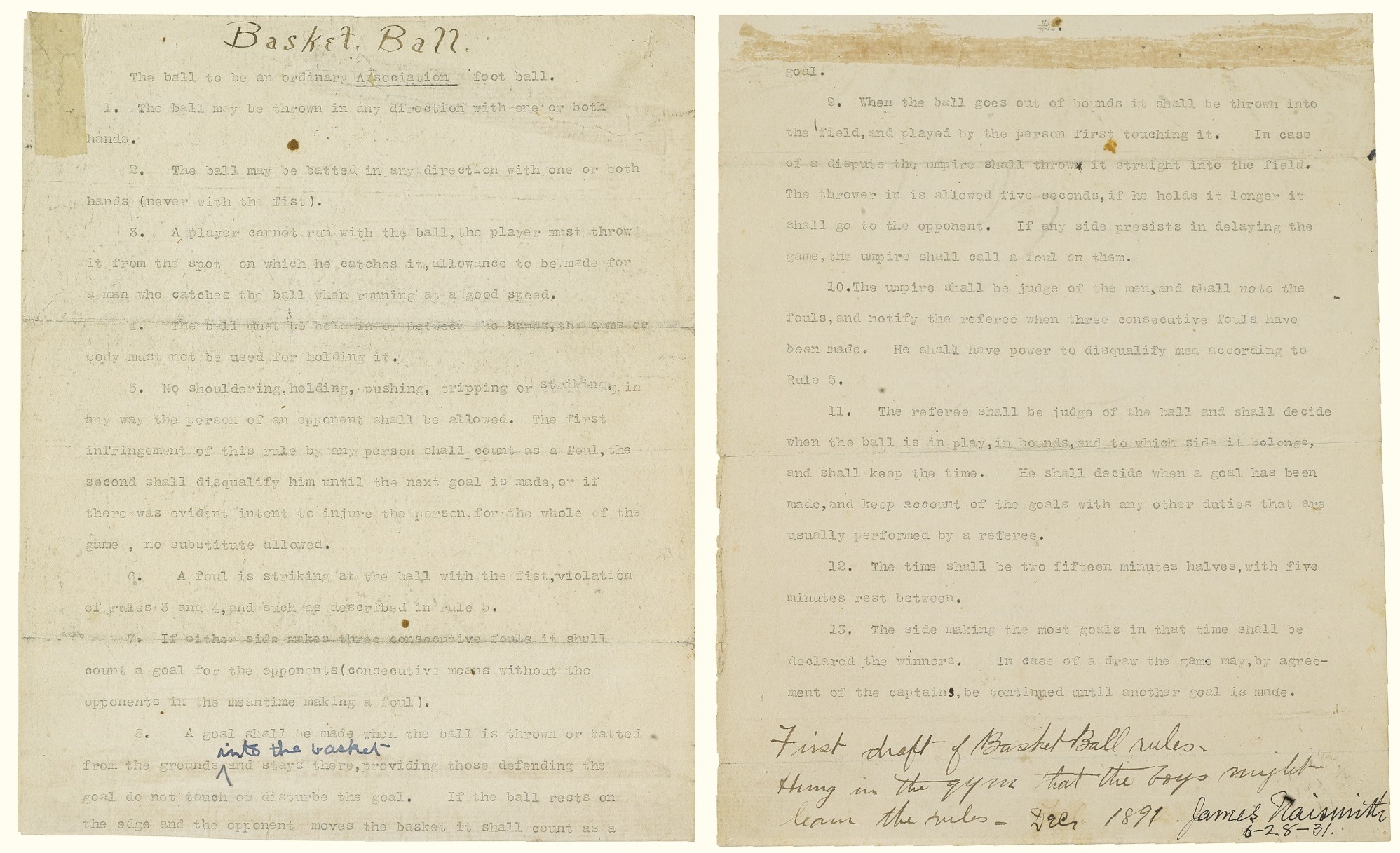
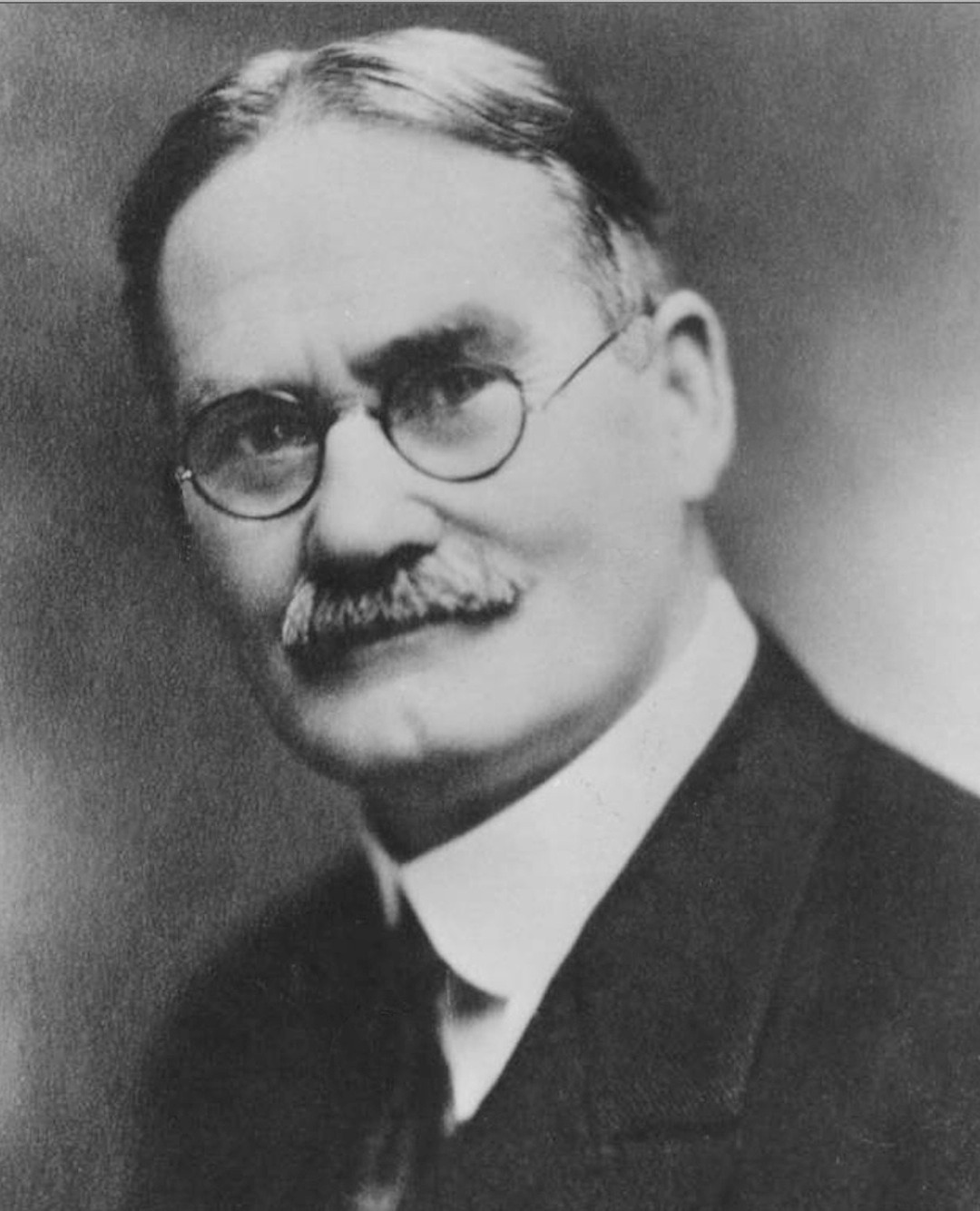
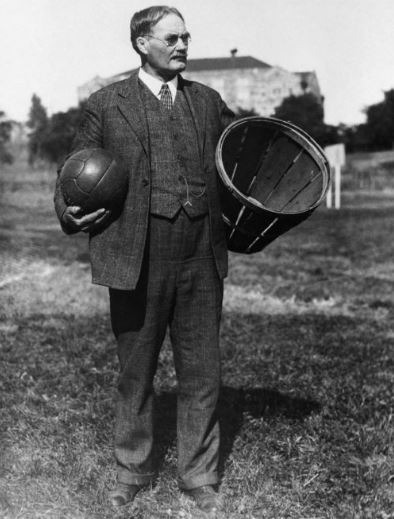
Basketball was invented in December 1891 by James Naismith, a physical education instructor at the YMCA Training School in Springfield, Massachusetts. Seeking a less injury-prone indoor activity for his students during the winter, Naismith devised a game that involved shooting a ball into peach baskets. The first public game was played on March 11, 1892, with teams of nine players using a soccer ball.
The game's popularity grew rapidly. By January 18, 1896, the first college basketball game took place between the University of Chicago and the University of Iowa, marking a significant milestone in the sport's development. The game soon expanded beyond the United States, with YMCA educators introducing it to Canada in 1892, France in 1893, and England in 1894.
The formation of the first professional league, the National Basketball League, in 1898 further solidified the sport's structure and contributed to its rapid growth. Naismith's invention evolved from a simple indoor activity to an internationally beloved game, laying the foundation for its global popularity.
Rule Changes and Equipment Evolution
The evolution of basketball rules and equipment has been instrumental in shaping the modern game. Early in the 20th century, standardized rules were established, creating a more cohesive and exciting sport. Key changes include:
- Three-Point Line (1979): The NBA's introduction of the three-point line revolutionized offensive strategies and scoring methods, making the game more dynamic and engaging.
- Shot Clock (1954): Implementing a 24-second shot clock sped up the pace of play, resulting in higher-scoring games and increased viewer engagement.
- Backboards: Transitioning from wooden backboards (1895) to glass backboards (1909) improved durability and enhanced the game's aesthetics, making it more appealing to players and fans.
- Nets: Changing from closed-bottom to open-bottom nets in 1912 improved the game's flow and made scoring visually appealing, attracting more enthusiasts.
These advancements in rules and equipment have significantly impacted professional basketball. Innovations like the 1948 laceless basketball enhanced gameplay, while rule changes made the sport faster and more exciting. As the game evolved, it attracted a global audience and international players, making basketball a worldwide phenomenon.
Institutional and Professional Growth

Since basketball's inclusion in the Olympic Games in 1936, the sport's institutional and professional growth has been remarkable. The formation of the International Basketball Federation (FIBA) in 1932 played a crucial role in establishing standard rules and regulations, paving the way for organized international competitions. This institutional growth allowed basketball to gain recognition as a global sport, with countries eager to form their own teams and compete on an international stage.
Professional leagues have also significantly contributed to the sport's popularity. The National Basketball Association (NBA), established in 1949, became a powerhouse, showcasing high-level competition and creating basketball legends. The NBA's influence extended beyond the U.S., with its games inspiring fans and players worldwide. The league's marketing efforts in the 1990s, coupled with the rise of international players, further propelled basketball's global appeal.
Olympic basketball has always highlighted the sport's competitive nature. The success of the U.S. national team in multiple Olympic and World Championship events served as a benchmark, encouraging other nations to enhance their game. As a result, basketball's institutional and professional frameworks have flourished, solidifying its status as a beloved global sport.
International Expansion
International expansion of basketball began to take shape in the early 1900s, with the sport's appeal spreading across borders. The initial international match in 1909 set the stage for its global journey. The 1919 Inter-Allied Games were pivotal in showcasing basketball's growing popularity, particularly in Europe, as the U.S. triumphed over Italy and France. This event played a crucial role in promoting the sport internationally.
The establishment of the International Basketball Federation (FIBA) in 1932 was fundamental to standardizing rules and facilitating global competitions, making basketball more accessible and uniform across different countries.
Here are four significant milestones that fueled basketball's international expansion:
- 1919 Inter-Allied Games: The U.S. victory over Italy and France boosted basketball's popularity in Europe.
- 1932: The formation of FIBA standardized rules and promoted international competitions.
- 1936: Basketball's inclusion in the Olympic Games solidified its status as a global sport.
- 1992: The U.S. Dream Team's dominance at the Olympics inspired global interest and participation.
Cultural Impact and Modern Trends
Basketball's cultural impact has been immense, bridging gaps between nations and fostering unity through sport. Since its inclusion in the Olympic Games in 1936, basketball has captivated an international audience, setting the stage for global competitions. The formation of the International Basketball Federation (FIBA) in 1932 was crucial, standardizing rules and organizing events that promoted the sport worldwide.
The NBA has played a significant role in this globalization. During the 1980s and 1990s, the league expanded into international markets, with stars like Michael Jordan becoming global icons. This surge in popularity was cemented by the U.S. Dream Team's dominance in the 1992 Olympics, showcasing basketball's appeal and inspiring countries to develop their own programs and leagues.
This globalization is evident in today's top-division basketball players. By 2017, 44.6% of these athletes were foreign-born, bringing different playing styles and techniques to the game. The cultural impact of basketball has consequently grown, reflecting a sport that transcends borders and unites people from diverse backgrounds. Modern basketball is a rich tapestry of global talent and influence.