Why Certain Numbers Aren't Allowed on College Basketball Jerseys

Picture this: you’re stepping onto the court for your first college basketball game. You’re pumped, ready to go, but there’s a problem—your favorite jersey number, the one you’ve worn since high school, isn’t an option. It’s not taken, not retired, just outright banned. Welcome to the quirky world of college basketball jersey numbers, where you’re limited to numbers from 0 to 55.
It may seem odd, but this restriction goes back decades and has everything to do with how referees communicate during games. This simple rule has shaped the sport in ways you might not expect.
The Origins of Number Restrictions
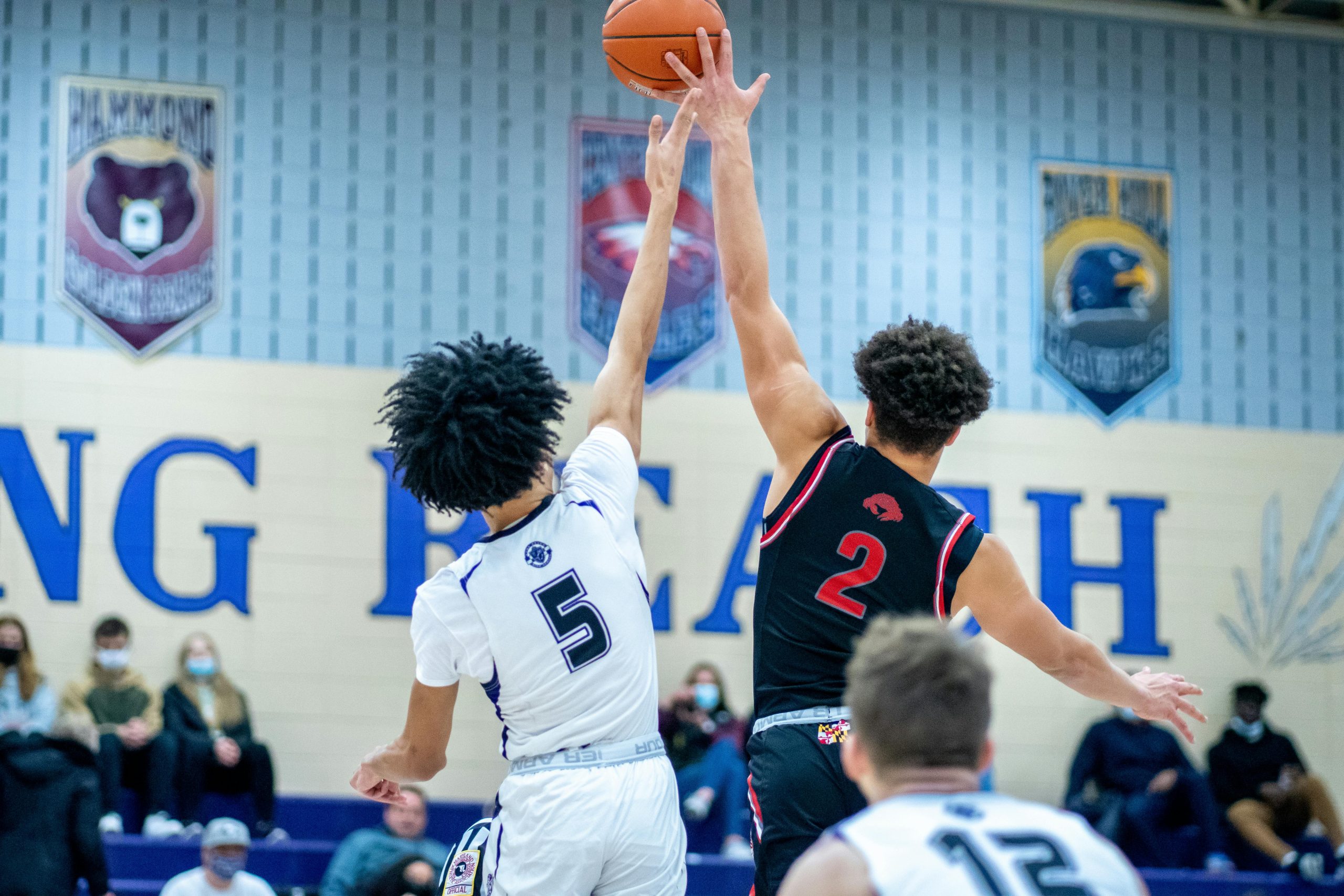
To get why these restrictions exist, let’s rewind to the 1950s. Back then, officials needed a quick and clear way to signal player numbers to the scorer’s table. They came up with a hand-signaling system: one hand shows the tens digit, and the other shows the ones digit. This works well for numbers like 24 or 33, but not for numbers like 67 or 89. So, the NCAA set limits. According to Rule 1, Section 22, Article 7, players can only wear numbers 0-5 in each digit, which translates to jersey numbers between 0 and 55.
The system solved the problem. It made games smoother and ensured everyone could follow along, but it’s also created unique challenges over the years.
How Hand Signaling Works
If you’ve ever watched a college game, you’ve probably seen referees gesturing toward the scorer’s table. For a player wearing number 24, the ref raises two fingers on one hand for the “2” and four fingers on the other hand for the “4.” Simple, right? But it only works because the numbers are limited to those within the system’s range.
This approach was practical in an era without digital scoreboards or instant replays. It ensured that referees and scorekeepers could stay on the same page. Even today, the system still does its job, though it’s starting to feel a bit outdated.
Interestingly, this limitation also shaped the way teams approached their rosters. Coaches and players had to adapt to ensure there were no overlaps or confusion. For example, teams often reserved certain numbers for specific positions or key players, creating unspoken hierarchies tied to jersey choices.
The Impact on Players

For players, jersey numbers are more than just a way to identify who’s who. A number can carry personal meaning, like honoring a role model or representing a milestone. But the NCAA’s restrictions can throw a wrench in those plans.
Take Marvin Clark Jr., who played for Michigan State. His high school number wasn’t allowed in college, so he ended up wearing “0.” For many players, adjusting to a new number feels strange, almost like losing a part of their identity.
This is especially tricky at schools with a lot of retired numbers. Programs like Duke and Michigan State have honored so many players that the remaining options are slim. Single-digit numbers, often the most popular, are particularly hard to come by. Equipment managers have to juggle preferences and availability, which doesn’t always leave players happy.
Beyond personal significance, jersey numbers play a big role in branding. For today’s athletes, a number can become a symbol—a key part of their public image and even a selling point for merchandise. LeBron James’s “23” or Michael Jordan’s “45” aren’t just numbers; they’re iconic. College players hoping to carry that branding forward into professional careers may feel constrained by the NCAA’s rules.
Retired Numbers Add to the Challenge
Retiring jerseys is a beloved tradition in college basketball, a way to honor the best of the best. But at schools with rich histories, it’s becoming a problem. Take Duke, for example. With 13 retired numbers, the pool of available jerseys is shrinking fast. Michigan State faces similar issues, and as more schools retire jerseys, the problem grows.
Some programs are exploring solutions. Instead of retiring a number completely, they’ll designate it as a “Legends” number, allowing current players to wear it while still honoring its legacy. It’s a creative workaround, but not every school has adopted it.
Fans, too, have mixed feelings about these traditions. While most support honoring legendary players, they also want to see current athletes have enough options. This tension reflects the broader challenge of balancing history with the needs of the present.
How Other Leagues Handle It
The NCAA’s strict rules stand out when compared to other leagues. In the NBA, for instance, players can wear any number from 0 to 99. This freedom lets stars like Dennis Rodman (91) and LeBron James (23, 6) showcase their individuality.
International basketball, governed by FIBA, is more flexible too. FIBA uses a different signaling system: officials first show the tens digit, then the ones digit. This method allows for a broader range of numbers without causing confusion.
High school basketball rules vary by state, but many are more relaxed than the NCAA’s. This means players can stick with their favorite numbers—at least until they reach the college level.
Other sports, like football and baseball, handle jersey numbers differently. Football often ties numbers to positions, while baseball has no restrictions, leading to iconic numbers like Babe Ruth’s “3.” The comparison highlights how unique the NCAA’s approach is—and how limiting it can feel in today’s world.
The Case for Change
Critics of the NCAA’s system argue that it’s outdated. Modern scoreboards, digital tracking, and instant replay have made the original hand-signaling concerns less relevant. In an era of advanced technology, why not allow players more freedom?
There’s also the issue of branding. Today’s athletes build their personal brands through social media, merchandise, and endorsements. A jersey number can be a big part of that. Limiting their choices can disrupt their identity and marketing efforts.
The NCAA has shown it can adapt. Numbers like 1 and 2, once uncommon, are now standard. If the league has evolved before, it’s possible it could do so again, especially as the conversation around modernization grows louder.
Balancing Tradition and Modernization
While there’s a strong push for change, tradition still matters. The hand-signaling system is part of college basketball’s history, a nod to its roots. Any updates to the rules would need to respect that legacy.
One potential solution is to expand the allowable number range while keeping the current system for numbers 0-55. For numbers outside that range, officials could use digital boards or verbal announcements to communicate. This would preserve the traditional system while giving players more options.
Another idea is to follow the NBA’s lead, allowing numbers up to 99 while training referees in new signaling methods. Schools could also revisit their jersey retirement policies, perhaps opting for recognition banners instead of permanent number retirements.
Conclusion
The NCAA’s jersey number restrictions might seem like a small detail, but they carry a lot of weight. They’re a window into the sport’s history, a practical solution from another era, and a challenge for today’s players. As basketball continues to evolve, the NCAA faces a choice: stick with tradition or embrace modernization.
Whatever the future holds, one thing is clear: those simple numbers on a jersey tell a much bigger story about the game we love.