Choosing the Best Athletic Shoes for Your Sport

If you’ve ever found yourself staring at rows upon rows of athletic shoes in a store, wondering which pair will truly work for you, you’re not alone. Picking the right athletic shoes can feel overwhelming, but it’s not just about style or brand. Your shoes are your foundation—they can boost your performance and prevent injuries when chosen correctly. Let’s break it down step by step so you can walk out of the store (or finish your online checkout) confident you’ve got the right pair for your needs.
Understanding Athletic Shoe Types
Not all athletic shoes are created equal—and that’s a good thing. Each sport has unique demands, and shoe designs are tailored to meet them. The first step is understanding what your activity requires.
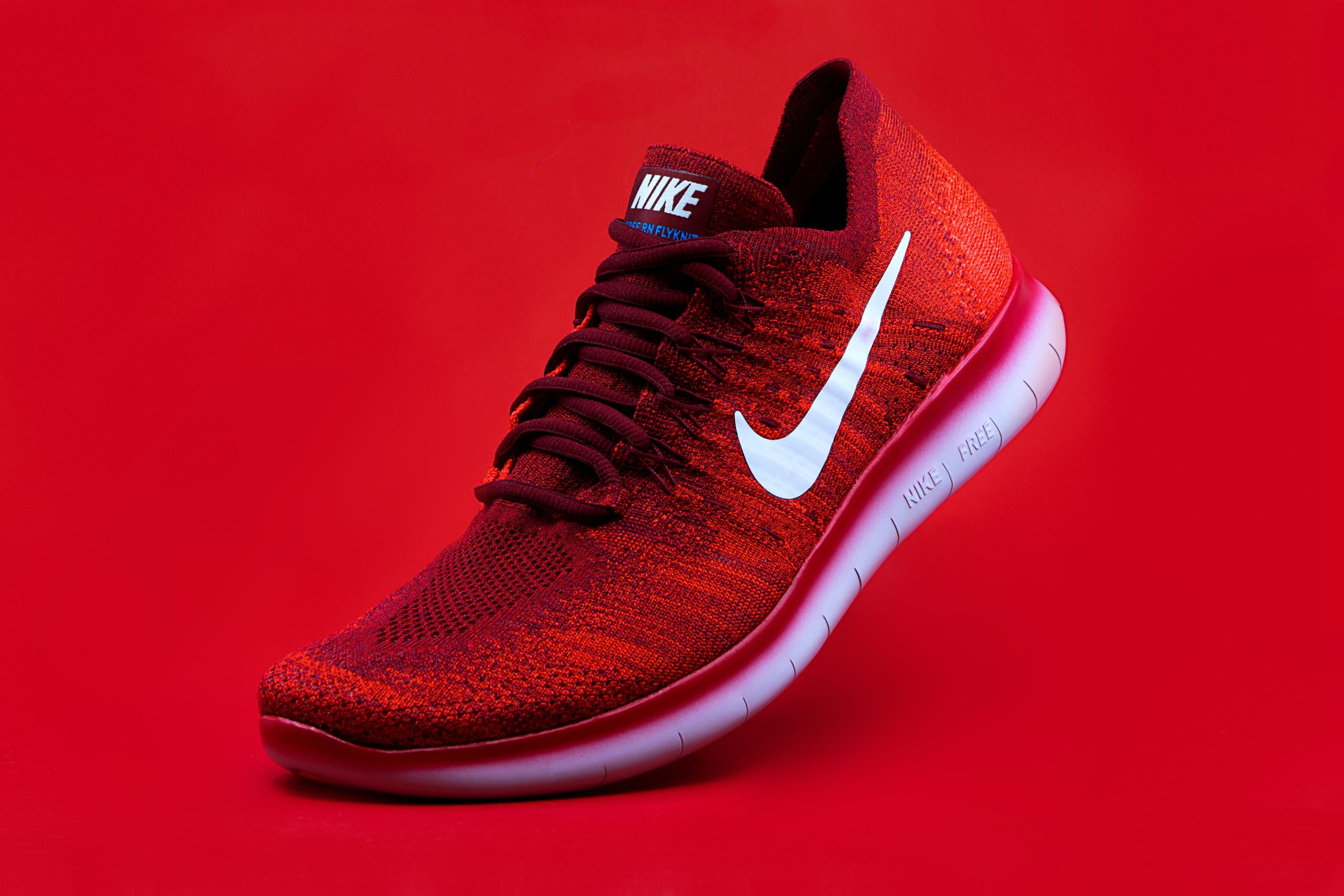
Running Shoes: If your main activity is running, these shoes are built to keep you moving forward. They focus on cushioning to absorb impact and support your natural stride. Whether you’re a heel-striker or a forefoot runner, there’s a shoe designed to match your running style. Look for lightweight options with breathable materials for long-distance runs and more cushioned soles for added shock absorption if you’re pounding pavement often.
Court Shoes: Playing tennis, basketball, or volleyball? You need shoes that can handle quick side-to-side movements. These have thicker soles and a design that prioritizes lateral stability to prevent ankle rolls. Traction patterns on the sole also help you grip surfaces, whether you're on a hard court or indoor flooring.
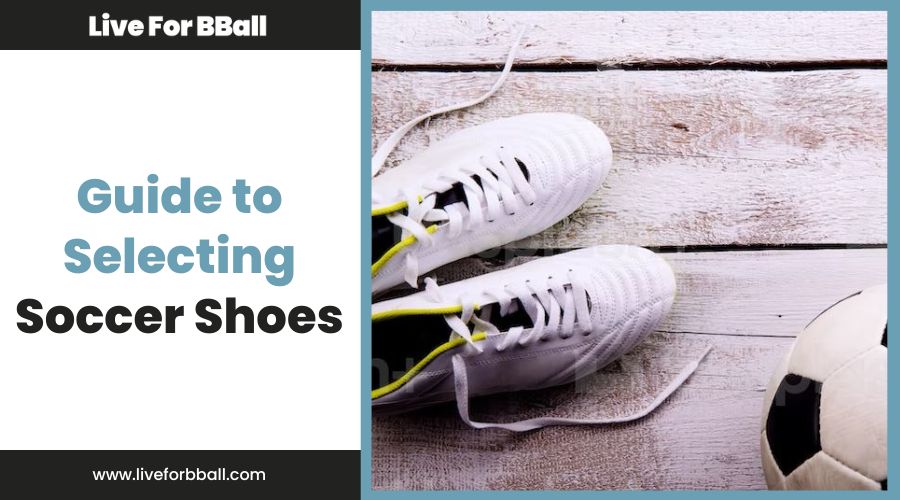
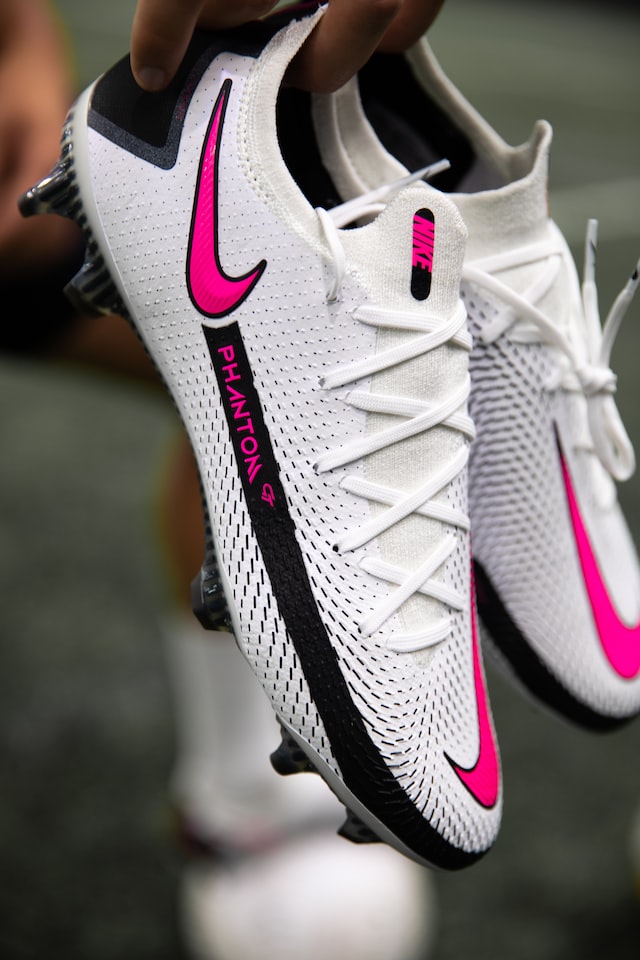
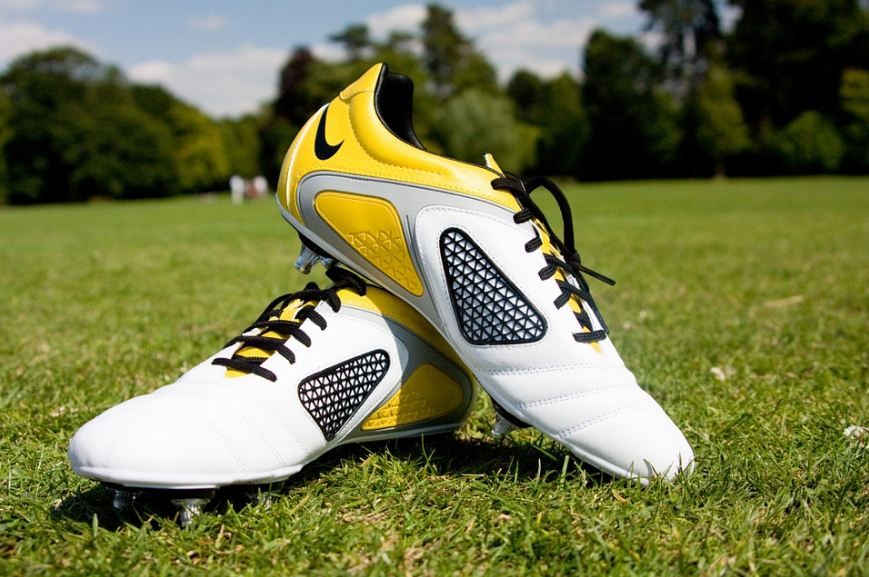
Cleats for Field Sports: Sports like soccer, football, or baseball often require cleats, which are designed to provide traction on grass or artificial surfaces. Soccer cleats are typically low-cut for better movement, while football cleats offer more ankle support. Younger players should stick with molded cleats, as metal spikes are not suitable for kids under 13.
Specialty Shoes: Golfers, cyclists, and track-and-field athletes often need highly specialized shoes. These are tailored for very specific movements, like the rotational motion in golf or the locked-in fit for cycling. If you’re into these sports, it’s worth consulting with a specialist.
Key Features to Consider
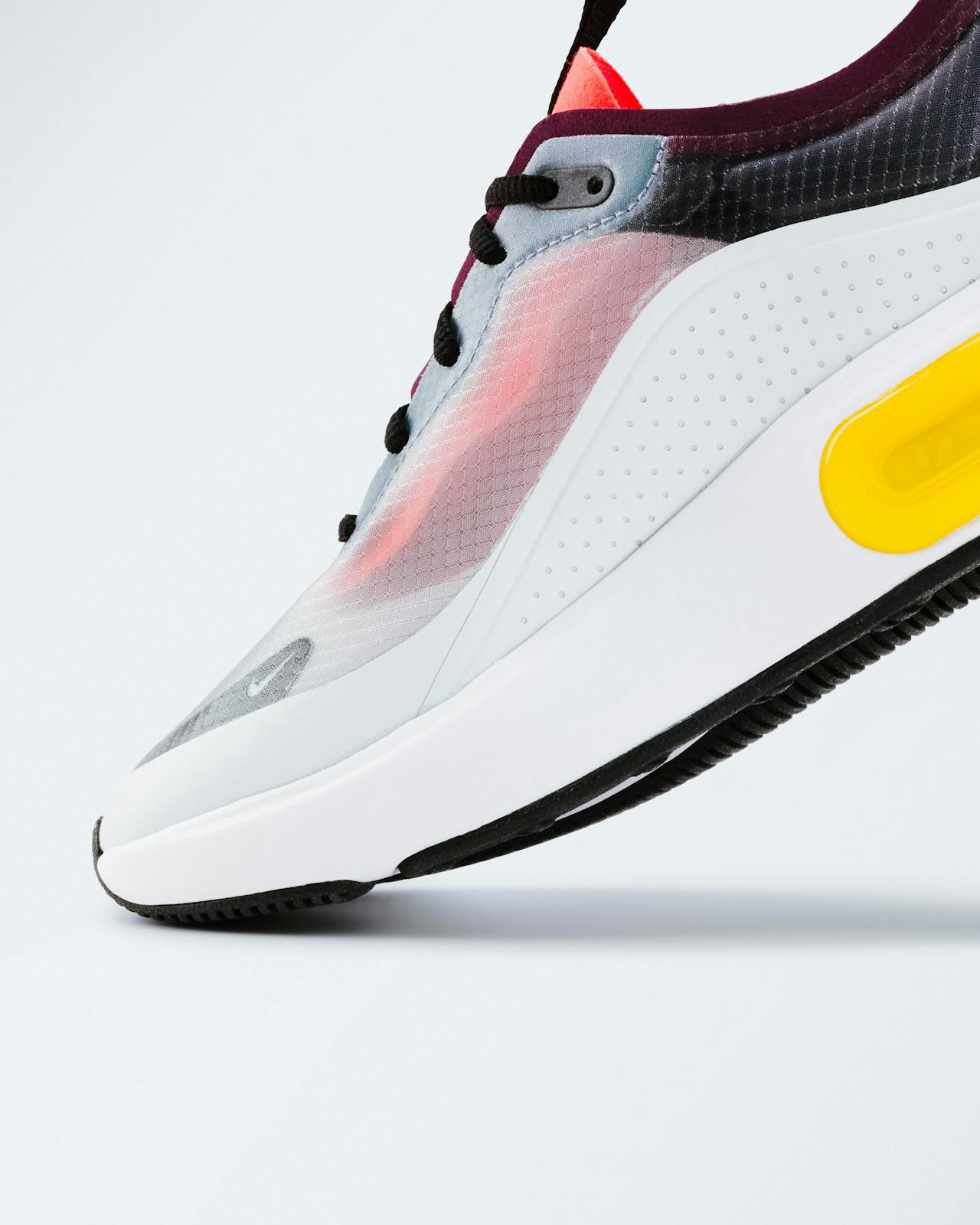
Once you’ve narrowed down the type of shoe, it’s time to look at the details. Here’s what to keep in mind:
Arch Support: Your feet aren’t all the same—some have high arches, others are flat. The wrong type of support can cause discomfort or even injury. If you’re not sure about your arch type, stand barefoot and examine your footprint. A wet footprint test can reveal whether you have flat, normal, or high arches. Choose shoes that provide adequate support, or consider adding inserts for a customized fit.
Cushioning and Stability: Different sports require different levels of cushioning. Runners need good shock absorption, while court players need stability for sudden stops and turns. Test the shoe’s flexibility in the toe area and stiffness in the midsole—it should match your activity.
Traction Patterns: The outsole matters. Shoes designed for running on trails will have deeper grooves for grip, while those for indoor sports will have flat, non-marking soles for smooth surfaces. Make sure the sole fits the type of surface you’ll be playing on most often.
Ankle Support: If your sport involves frequent lateral movements (like basketball or tennis), look for shoes with high-top designs or reinforced ankle support.
Proper Sizing and Fit
Even the most expensive, high-tech shoes won’t help you if they don’t fit right. Here are a few tips to ensure your new kicks are comfortable and supportive.
- Shop Later in the Day: Your feet swell as the day goes on, and buying shoes in the afternoon or evening ensures you’re getting the right size for how your feet will feel during activity.
- Bring Your Sport Socks: The thickness of your socks can change how a shoe fits. Always try on athletic shoes with the socks you’ll wear during your activity.
- Check the Toe Box: You’ll need about a thumb’s width of space between your longest toe and the front of the shoe. This prevents your toes from jamming during movement.
- Lacing Matters: How you lace your shoes affects the fit. Use a crisscross pattern for even pressure, and make sure the shoe feels snug but not tight.
- Go In-Person: While online shopping is convenient, visiting a specialty store allows trained staff to analyze your gait and recommend models that suit your needs. If online is your only option, stick to brands you’ve tried before or stores with a good return policy.
Sport-Specific Requirements

Every sport is different, and so are the movements your feet make while playing. Here’s a closer look at what to prioritize based on your activity:
Running: Long-distance runners need lightweight shoes with good shock absorption. Sprinters may want shoes with minimal cushioning for a more responsive feel. Pay attention to arch support and ensure the shoe matches your running style.
Court Sports: Tennis and basketball require lateral stability. Look for shoes with reinforced sides and a sturdy midsole to handle quick stops and pivots. Volleyball shoes often include extra padding in the midsole to reduce impact from frequent jumping.
Field Sports: Soccer cleats should fit snugly but comfortably, with enough support to prevent blisters. Football players often prefer mid-cut or high-top cleats for added ankle stability. Baseball cleats should offer arch support, especially for catchers who spend a lot of time crouching.
Construction and Support Levels
Understanding how athletic shoes are made can help you find the right match for your feet.
- Slip-Lasted Shoes: Lightweight and flexible, these are ideal for activities like running or walking, where agility is key.
- Board-Lasted Shoes: These offer more stability and are great for flat-footed athletes or those needing extra arch support.
- Combination-Lasted Shoes: A balance between flexibility and stability, these are a good all-around choice for most sports.
If you have specific foot issues, like plantar fasciitis or metatarsalgia, look into shoes with added support features like heel cups or metatarsal pads.
Managing Common Foot Problems
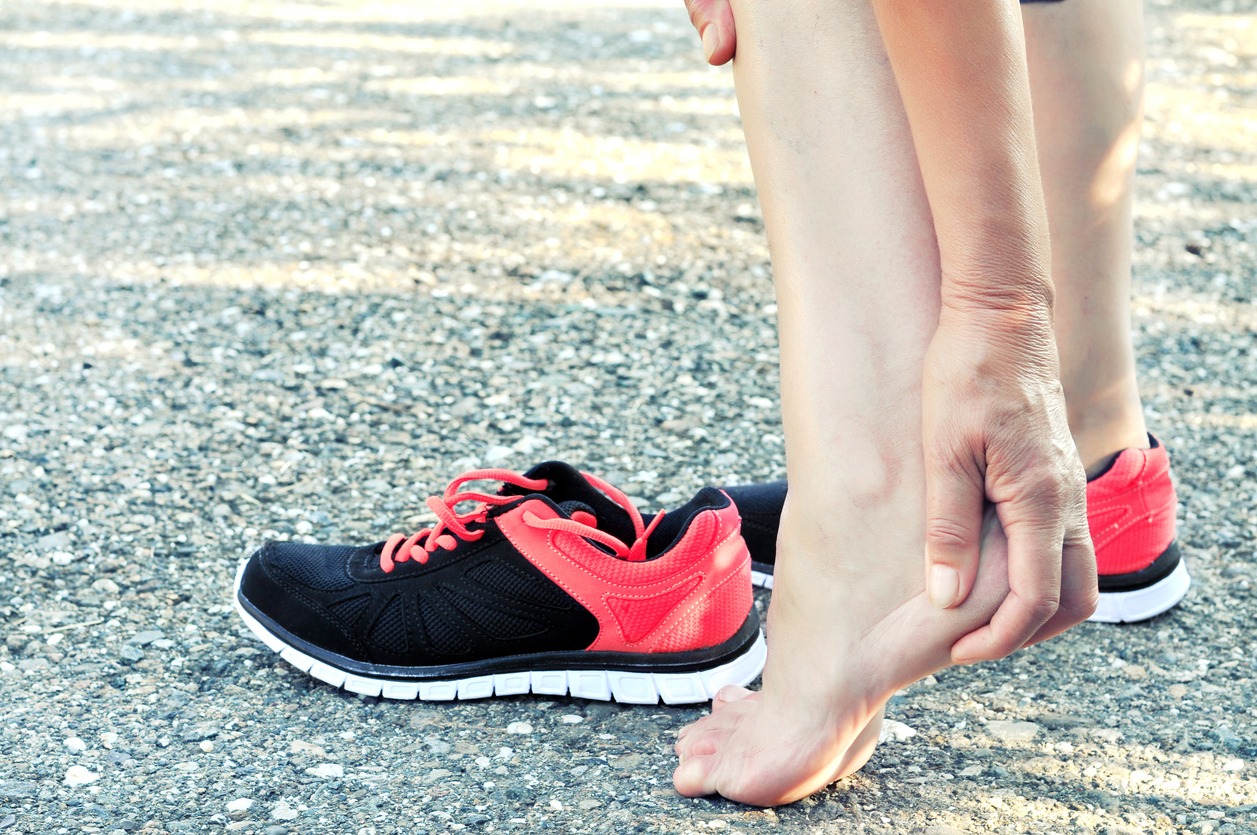
No one likes dealing with foot pain, but the right shoes can make a world of difference. If you’re struggling with discomfort, here are some targeted solutions:
- Heel Pain (Plantar Fasciitis): Look for shoes with extra cushioning in the heel and consider adding orthotic inserts.
- Arch Pain: Proper arch supports can alleviate this. Many athletic shoes now come with built-in options, but custom inserts might be worth the investment.
- Ball-of-Foot Pain (Metatarsalgia): Shoes with a wide toe box and metatarsal pads can help distribute pressure evenly.
When in doubt, consult a podiatrist or visit a specialty shoe store for professional advice.
When to Replace Athletic Shoes
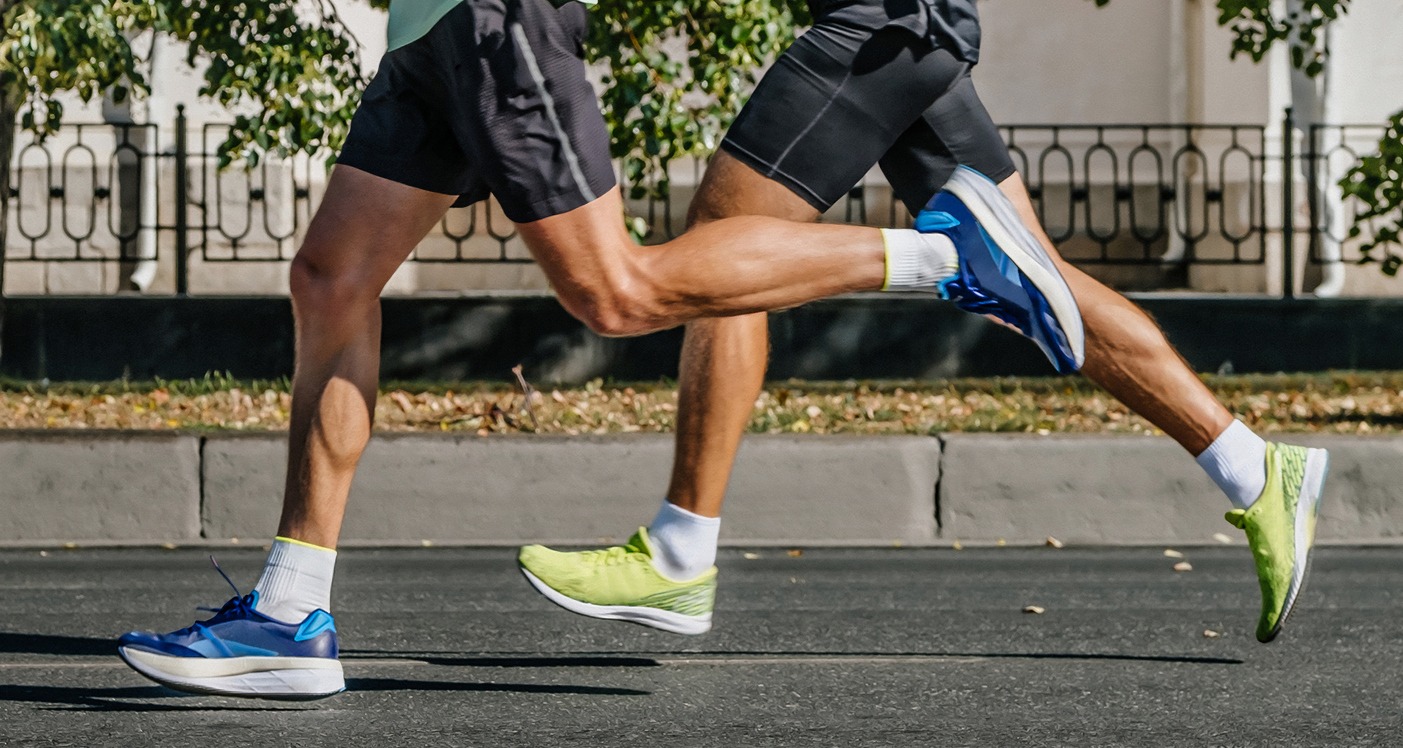
Shoes don’t last forever, and wearing worn-out footwear can lead to injuries. Here’s when to replace them:
- Running Shoes: Replace every 300-500 miles, depending on the surface and your weight.
- Court Shoes: Replace when the tread wears down, usually every 6-8 months for regular players.
- Cleats: Replace when studs wear out or the upper shows significant wear.
Signs of wear include compressed midsoles, uneven treads, and a loose fit. Keeping a log of your mileage or playing time can help you track when it’s time for a new pair.
Conclusion
Choosing the right athletic shoes isn’t just about looking good—it’s about feeling good, playing better, and staying injury-free. Whether you’re running marathons, hitting the court, or dominating the field, the right pair of shoes can make all the difference. Take the time to find the pair that fits your feet, your sport, and your goals. After all, your performance starts from the ground up.