How to Convert Men's Shoe Sizes for Women's Feet

Have you ever found yourself eyeing a stylish pair of men’s shoes, only to feel unsure about which size to choose? Maybe you’re looking for a better fit, or perhaps you’ve heard that men’s shoes offer features not always found in women’s styles. Whatever your reason, converting men’s shoe sizes to women’s sizes can feel like a puzzle—but it doesn’t have to be. With the right information, you can confidently navigate the world of shoe sizing and find a pair that’s just right for you.
Let’s dive into the details of how to convert men’s shoe sizes to women’s, measure your feet accurately, and consider key differences in shoe design to ensure a perfect fit.
Basic Shoe Size Conversion Guidelines
When it comes to converting men’s shoe sizes to women’s sizes, the process is straightforward—at least on the surface. The general rule is simple: add 1.5 to 2 sizes to the men’s size to find the equivalent women’s size. For example:
- A men’s size 7 roughly equals a women’s size 8.5 to 9.
- If you wear a women’s size 10, look for a men’s size 8 to 8.5.
This rule provides a good starting point, but it’s important to remember that sizing can vary between brands and styles. Some shoes might run larger or smaller than expected, so it’s always a good idea to check the brand’s specific size chart for more precise measurements.
Additionally, keep in mind that this conversion primarily applies to U.S. sizing. International sizing systems, like those in Europe or the UK, use entirely different scales, which we’ll discuss later in this guide.
Measuring Your Feet for Accurate Sizing

If you want the most accurate fit, start with the basics: measuring your feet. This step ensures that your conversion is as precise as possible. Here’s how to do it:
- Measure at the Right Time: Your feet swell throughout the day, so it’s best to measure them in the evening when they’re at their largest.
- Get the Right Tools: All you need is a piece of paper, a pen, and a ruler or measuring tape.
- Trace Your Foot: Place the paper on a flat surface. Stand on it with your full weight evenly distributed. Trace around your foot with the pen, keeping the pen vertical to avoid skewing the shape.
- Measure Length and Width: Use the ruler to measure the distance from the back of your heel to the tip of your longest toe. This is your foot length. Then, measure the widest part of your foot to determine the width.
- Measure Both Feet: Many people have one foot slightly larger than the other. Always choose shoes based on the larger foot.
- Record in Centimeters or Inches: Measuring in centimeters is particularly helpful for international size charts, as many brands use these units for their sizing.
Feet size can change over time due to factors like weight fluctuations or changes in activity level. Re-measuring periodically ensures you’re always working with accurate numbers.
Width and Volume Differences
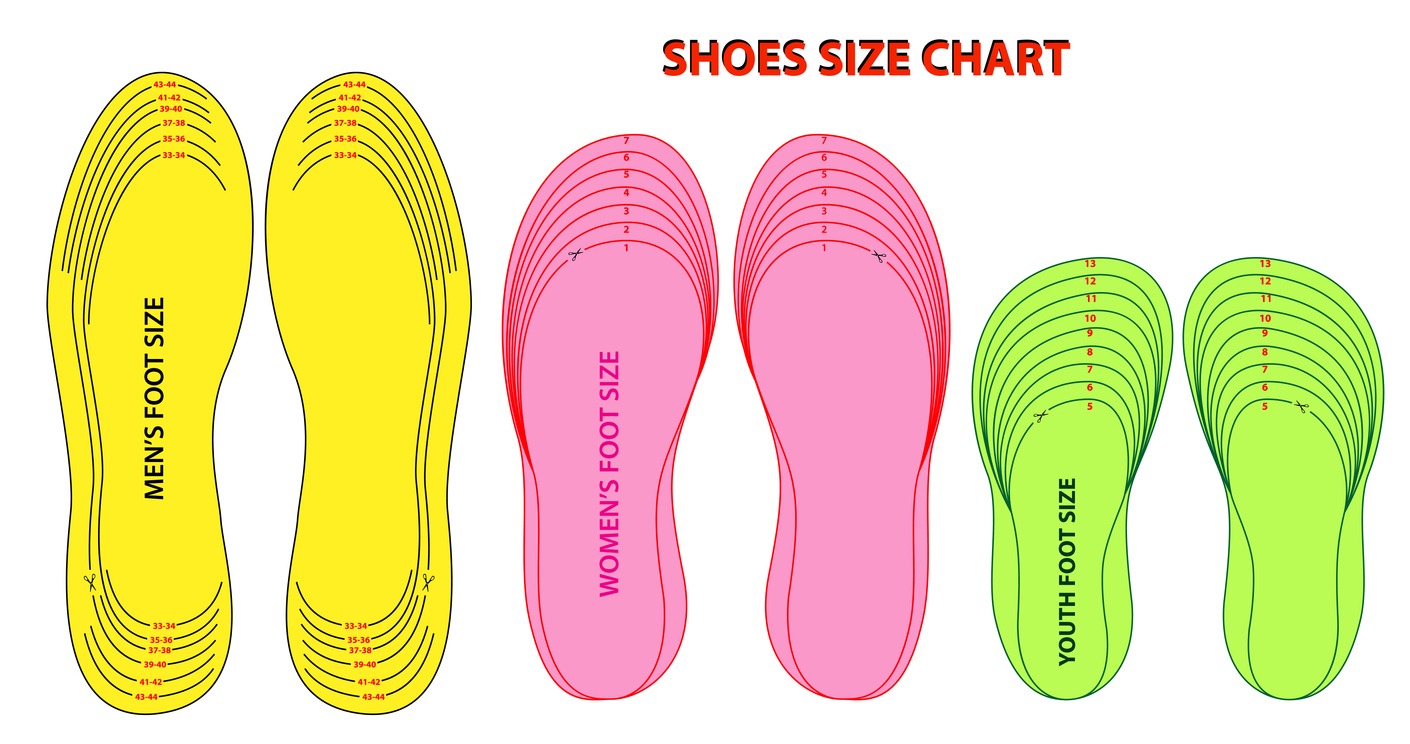
One critical difference between men’s and women’s shoes lies in their width and overall volume. Even if the length matches perfectly, the fit may still feel off because men’s shoes are generally designed with more room throughout the entire shoe.
Here are the key distinctions:
- Men’s Shoes: Tend to have a wider base and more volume, especially in the toe box and heel area.
- Women’s Shoes: Designed with a narrower fit, particularly around the heel and arch.
If you’re a woman shopping for men’s shoes, consider selecting a narrower width. Many brands offer width options such as narrow (N), medium (M), wide (W), and extra wide (XW). For example:
- A man’s medium width (D) is roughly equivalent to a woman’s wide width (C).
- A man’s narrow width (B) aligns more closely with a woman’s standard width.
International Shoe Size Conversion
Navigating international shoe sizes can feel overwhelming, but a little preparation goes a long way. Here’s a breakdown of how men’s and women’s sizes compare across major sizing systems:
- U.S. Sizes: The standard 1.5 to 2 size difference applies.
- UK Sizes: Men’s and women’s UK sizes are generally one size apart. For example, a UK men’s size 8 equals a UK women’s size 9.
- European Sizes: European sizing doesn’t distinguish between genders. A size 40, for instance, is the same for men and women, but the shoe’s width and volume may differ.
To simplify the process, measure your feet in centimeters and consult size charts that include these measurements. Many brands—especially those with international reach—provide detailed charts to help you convert sizes across regions.
Brand-Specific Variations and How to Navigate Them
Even with all the rules and charts, you might still find that some shoes don’t fit as expected. That’s because each brand uses unique lasts (the molds used to shape shoes), which can cause slight differences in fit.
Here’s how to deal with brand-specific variations:
- Consult Size Charts: Always check the brand’s website for size conversion guides. Many provide detailed measurements for length, width, and even volume.
- Read Reviews: Customer reviews often contain valuable insights about how a particular style or brand fits. Look for comments about whether the shoes run true to size, narrow, or wide.
- Order Multiple Sizes: If you’re shopping online and can’t try the shoes on first, consider ordering two sizes and returning the one that doesn’t fit. Be sure to check the store’s return policy before doing this.
Tips for Ensuring the Best Fit
Finding the right size is only part of the equation. To ensure a comfortable fit, keep these tips in mind:
- Try Before You Buy: Whenever possible, try the shoes on in-store. Walk around to see how they feel, paying attention to areas like the toe box and heel.
- Consider Your Socks: Wear the same type of socks you plan to use with the shoes. Thick socks can significantly affect fit.
- Think About Function: If you’re buying shoes for specific activities, like running or hiking, prioritize functionality and support over aesthetics.
- Don’t Ignore Discomfort: A little snugness can break in over time, but if the shoes feel uncomfortable right away, they’re likely not the right fit.
- Check Return Policies: Especially when shopping online, make sure the retailer allows returns or exchanges in case the size isn’t right.
Conclusion
Converting men’s shoe sizes to women’s sizes doesn’t have to be a guessing game. By understanding the basic conversion rules, measuring your feet accurately, and accounting for width and brand-specific differences, you can confidently find the right pair of shoes.
Remember, the key to a great fit is more than just numbers on a size chart. Take the time to measure, experiment, and prioritize comfort. Whether you’re after a stylish pair of sneakers or a durable set of hiking boots, the perfect fit is out there waiting for you—now you’re equipped to find it!