Tips for Breaking in New Running Shoes: Avoid Discomfort and Blisters
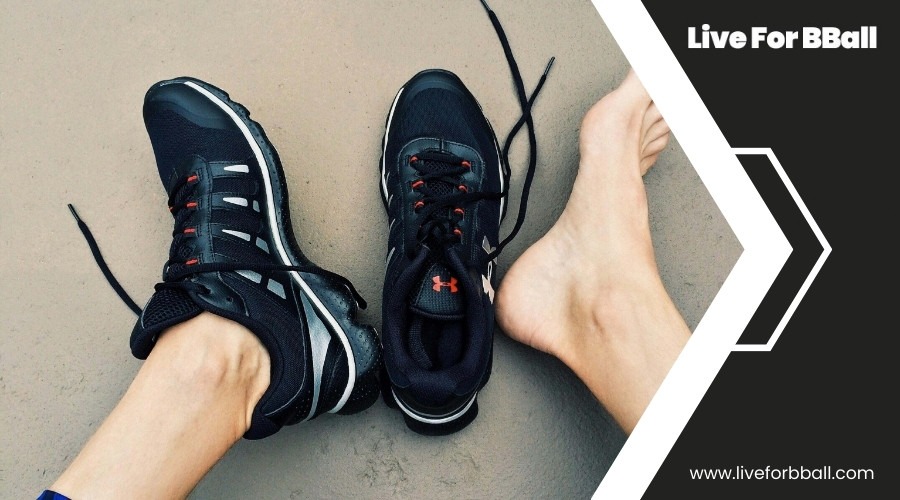
Breaking in new running shoes is an exciting milestone, but it can also come with challenges. While the promise of fresh gear to enhance your performance is thrilling, rushing into full runs without preparation can lead to blisters, soreness, or worse. Thankfully, with a little patience and a practical approach, you can break in your shoes comfortably and avoid common pitfalls.
Let's explore some straightforward tips to help you make the most of your new running shoes.
Understanding the Break-In Process
New running shoes need time to adjust to your feet—and your feet need time to adjust to the shoes. This process, which typically takes about 2-3 weeks, allows the materials to soften and conform to your unique foot shape and running stride.
During this time:
- The cushioning molds to your pressure points.
- The upper material stretches and adapts to your movements.
- The sole flexes naturally with your gait.
Here's what to keep in mind:
- Start Slow: Gradual adaptation prevents unnecessary discomfort.
- Rotate Shoes: Alternate between your new and old pairs to ease the transition.
- Pay Attention to Fit: Discomfort or pressure points may signal a need for adjustments.
Some shoes may take longer to break in depending on their materials. For example, stiff midsoles or dense uppers often require more time to soften. Knowing what to expect from your specific pair can help you approach the break-in period with realistic goals. Additionally, shoes designed for trail running or heavy cushioning may feel different and need extra time for proper adjustment.
Breaking in shoes isn't just for comfort; it can also impact performance. A properly broken-in shoe will distribute pressure evenly, reducing the risk of hot spots or injuries, making this process critical for serious runners.
Start with Walking Before Running
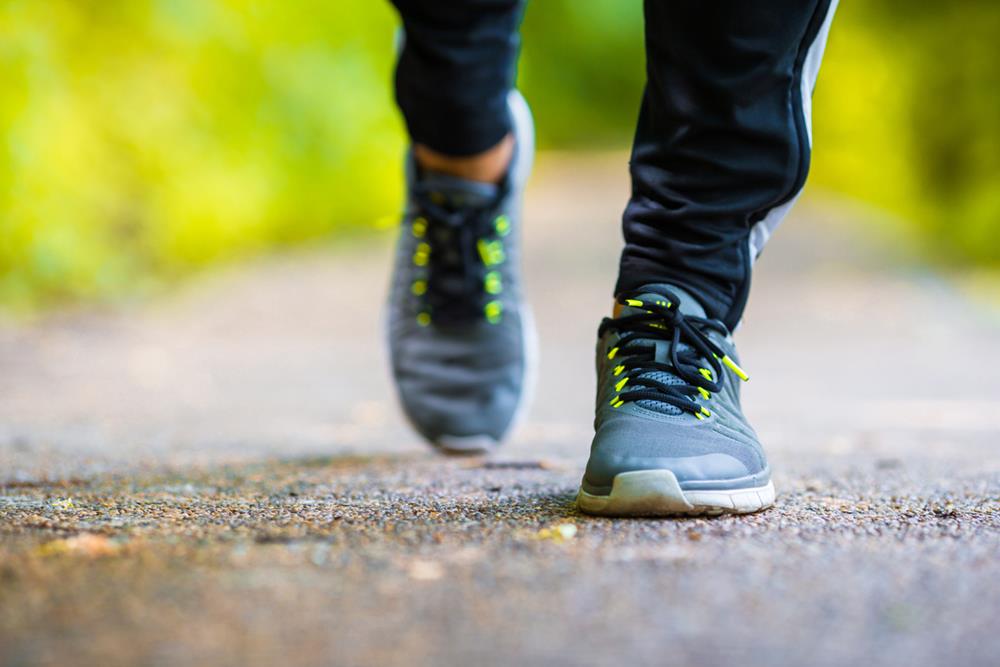
Walking is the best way to introduce your feet to new shoes. This low-impact activity helps the materials adapt without the strain of running.
Step-by-Step Plan:
Days 1-3: Wear Indoors
Slip on your new shoes and wear them around the house for 30-60 minutes at a time. This protects the outsoles while giving the materials a chance to soften in a controlled environment. Pay attention to any spots that feel too tight or rub uncomfortably. You can also try wearing them while doing light activities, like cleaning or standing for short periods, to help the shoes mold to your movements.
Days 4-7: Take Short Outdoor Walks
Once the shoes feel comfortable indoors, start taking short walks outside. Keep these walks to 10-20 minutes at a steady pace. Use this time to test the shoes on different surfaces, like sidewalks or trails, to see how they handle real-world conditions. Stick to shorter sessions to prevent overloading your feet. Walking on slightly uneven surfaces can also help the sole adapt to natural movements.
Weeks 2-3: Gradually Introduce Running
After a week of walking, you can start running in your new shoes. Begin with short distances—1-2 miles—and alternate with your old shoes. Slowly increase the mileage as your feet adjust. Avoid high-intensity workouts like sprints or hill repeats until you're sure the shoes fit comfortably. Taking this gradual approach ensures you're not placing unnecessary stress on your feet and legs.
When introducing running, try to stick to softer surfaces, like grass or dirt paths, to reduce impact while the shoes and your feet adapt. Save asphalt or concrete runs for later stages in the break-in process.
Why Socks Matter
Your choice of socks plays a bigger role than you might think in breaking in running shoes. The wrong socks can cause friction and blisters, while the right ones can enhance comfort.
Avoid Cotton Socks
Cotton absorbs moisture, which increases friction and leads to chafing. When paired with stiff, new shoes, cotton socks are a recipe for discomfort.
Choose the Right Materials:
- Synthetic Fabrics: Look for moisture-wicking options that keep your feet dry and reduce friction.
- Merino Wool Blends: Naturally breathable and moisture-wicking, wool socks are excellent for long runs and variable weather.
Tips for Choosing the Best Socks:
- Snug Fit: Loose socks can wrinkle, causing pressure points.
- Extra Padding: Socks with cushioning in high-friction areas, like the heel and toes, provide extra protection.
- Blister Prevention Features: Some socks are specifically designed to minimize rubbing, making them ideal for new shoes.
Another consideration is the height of your socks. Ankle socks might seem appealing, but if your new shoes have a higher collar, they can rub against your skin. Opt for mid-height or crew socks during the break-in period to avoid irritation.
Investing in good socks is an easy way to improve your overall running experience. They're a small detail that makes a big difference. Some runners even swear by double-layer socks, which further reduce friction and help prevent blisters during long sessions.
Rotate Between Old and New Shoes
When breaking in new shoes, it's helpful to keep your old ones in rotation. This approach reduces stress on your feet and gives the new shoes time to adapt.
Why Rotation Works:
- Reduced Injury Risk: Studies show runners who rotate multiple pairs of shoes are less likely to get injured. Different shoes distribute impact differently, reducing repetitive stress on your feet.
- Gradual Transition: Alternating pairs eases your feet into the new shoes without overloading them.
- Extended Shoe Life: Rotation gives both pairs time to recover, which helps them last longer.
How to Rotate Effectively:
- Start with short runs in your new shoes—about 1-3 miles.
- Use your old shoes for longer runs while gradually increasing mileage in the new pair.
- Keep track of how each pair feels and adjust accordingly.
Rotation is especially important if you're training for a race or logging high mileage weekly. Having multiple pairs ensures your feet experience different support structures, which reduces overuse injuries and keeps your training on track.
Check for a Proper Fit
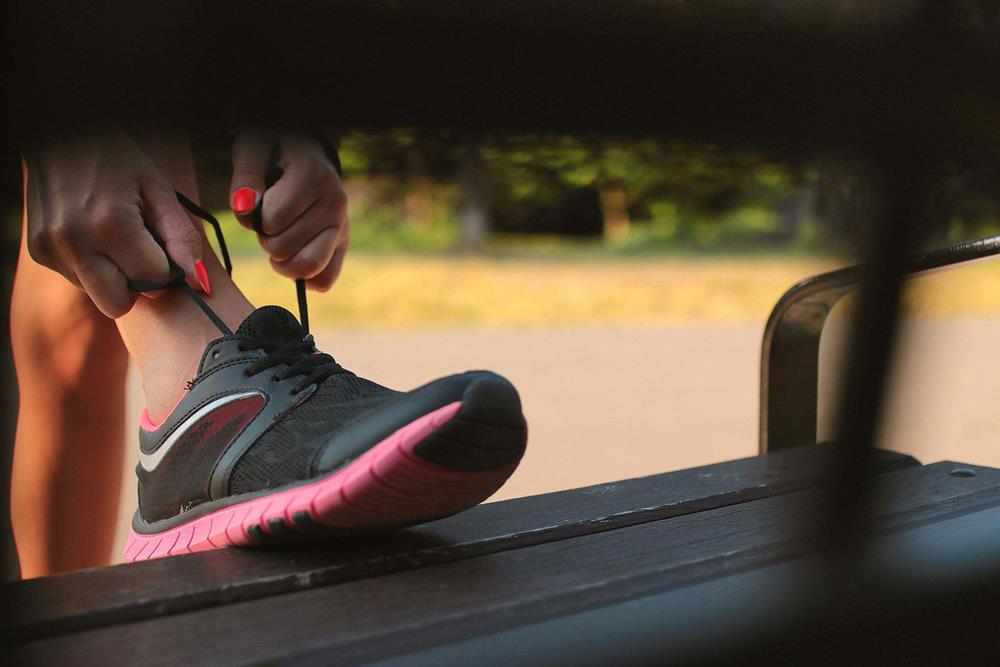
A proper fit is essential when it comes to running shoes. Even the best break-in process can't fix shoes that don't fit correctly.
Signs of a Good Fit:
- Snug Heel: Your heel should feel secure without slipping.
- Room for Toes: There should be enough space for your toes to wiggle and spread naturally. Aim for about a thumb's width of space at the front.
- Supportive Arch: The arch should align with your foot's natural curve for optimal support.
Watch Out for Red Flags:
- Pinching or Tightness: If the shoes feel uncomfortable from the start, they're unlikely to improve.
- Hot Spots: Areas that rub or cause friction could lead to blisters.
If you're unsure about the fit, consider visiting a running store. Many shops offer gait analysis and professional fittings to help you find the perfect pair. Testing shoes by jogging in-store or using a return policy for trial runs can also save you from long-term discomfort.
Additional Tips for Comfort and Shoe Care
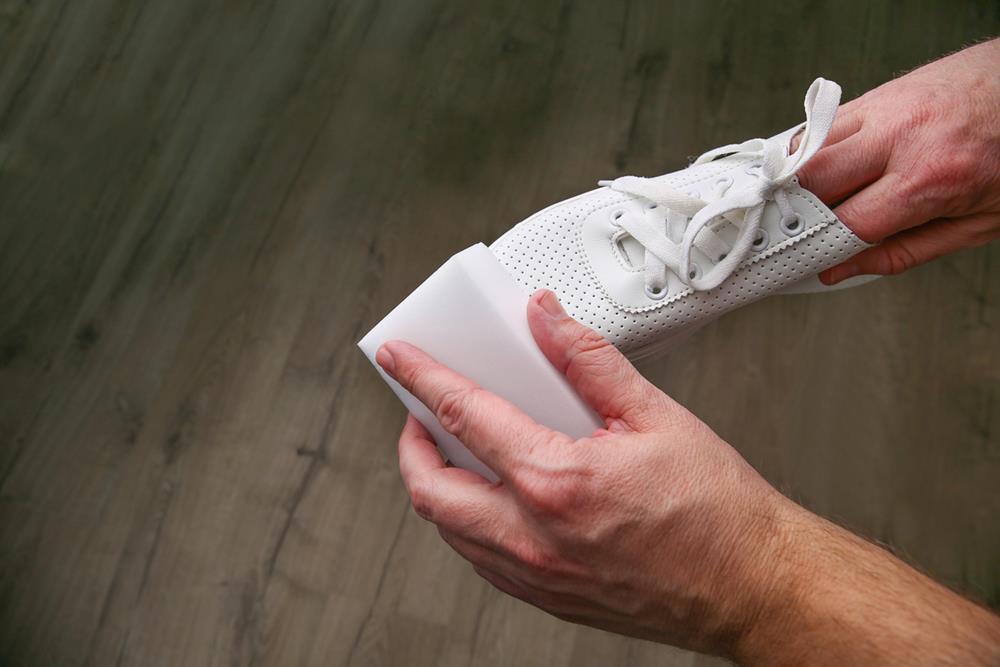
Breaking in your shoes is only part of the equation. Taking care of them ensures they stay comfortable and last longer.
- Use Insoles if Needed: Custom or over-the-counter insoles can provide extra arch support or cushioning if the shoe's default design isn't enough.
- Track Your Mileage: Most running shoes last 300-500 miles. Keep a log to know when it's time to replace them.
- Clean Regularly: Dirt and sweat can degrade the materials. Wipe down your shoes and let them air dry after running. Avoid machine washing, which can break down cushioning.
- Experiment with Lacing: Adjusting your laces can improve fit and relieve pressure on sensitive areas. Techniques like the runner's loop are especially useful for locking the heel in place.
Taking a little extra time to maintain your shoes not only extends their life but also ensures they're always ready to support your training goals.
Conclusion
Breaking in new running shoes doesn't have to be a painful process. By starting slowly, choosing the right socks, rotating your shoes, and ensuring a good fit, you can make the transition seamless. Your new shoes will soon feel like a natural extension of your feet, ready to support you mile after mile.
Treat your shoes well, and they'll reward you with comfort and performance. Take your time, follow these tips, and enjoy the journey—one step at a time.
Related posts