Washington Wizards' Retired Jersey Numbers: Celebrating Legends of the Franchise

Every jersey number hanging in the rafters of Capital One Arena tells a story—a story of talent, hard work, and unforgettable moments that shaped Washington basketball. The Washington Wizards, formerly the Baltimore and Washington Bullets, have retired five jersey numbers. Each represents a player who made a huge impact on the franchise and the league. Here's a closer look at the legends behind those numbers and why their legacies live on.
Earl "The Pearl" Monroe (No. 10)
Earl Monroe wasn't just a player; he was pure magic on the court. Known as "The Pearl," Monroe played for the Baltimore Bullets from 1967 to 1971. His moves were so smooth and creative they left fans cheering and defenders spinning. In his rookie year, Monroe averaged 24 points per game, earning him the NBA Rookie of the Year award in 1968.
Even after being traded to the New York Knicks, where he won a championship in 1973, Monroe remained a beloved figure in Washington basketball. His jersey was retired in 2007, a tribute to his artistry and the unforgettable excitement he brought to the game.
Elvin Hayes (No. 11)
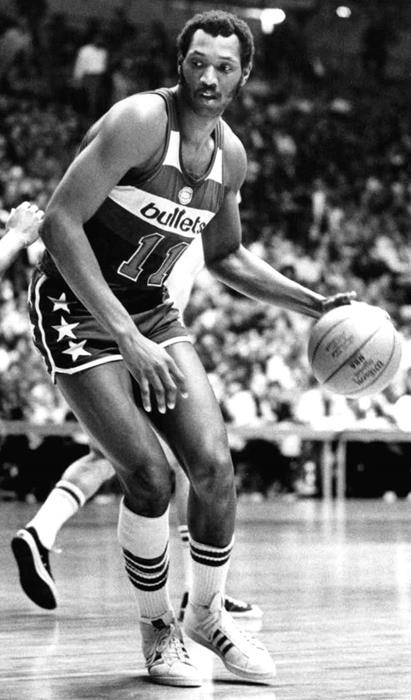
Elvin Hayes, nicknamed "The Big E," was the driving force behind the Bullets' 1978 championship run—the franchise's only NBA title so far. Hayes joined the Bullets in 1972, and his partnership with Wes Unseld created one of the best frontcourts in NBA history. Over nine seasons, Hayes averaged 21 points and 12 rebounds per game.
In the 1978 playoffs, Hayes led all players with 457 points, stepping up when it mattered most. His number 11 was retired in 1981 to honor his contributions to the team's success. He was inducted into the Basketball Hall of Fame in 1990, cementing his legacy as one of the league's all-time greats.
Gus Johnson (No. 25)
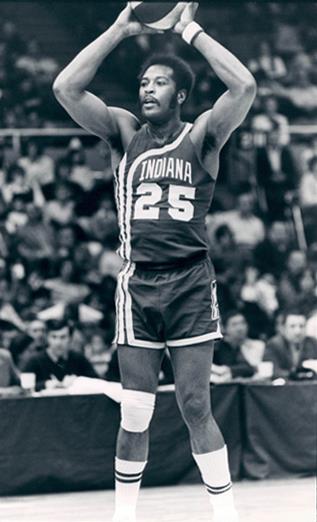
Before today's era of high-flying dunks, Gus Johnson was already setting the standard for athleticism and excitement. Playing for the Baltimore Bullets from 1963 to 1972, Johnson was known for his incredible leaping ability and fierce defense. Over nine seasons, he averaged 17.5 points and nearly 13 rebounds per game.
Johnson's dunks brought fans to their feet, and his physical style made him a force on the court. Even with injuries cutting his career short, his impact was undeniable. The Bullets retired his No. 25 jersey in 1986, honoring a player who brought energy and toughness to the franchise's foundation.
Wes Unseld (No. 41)
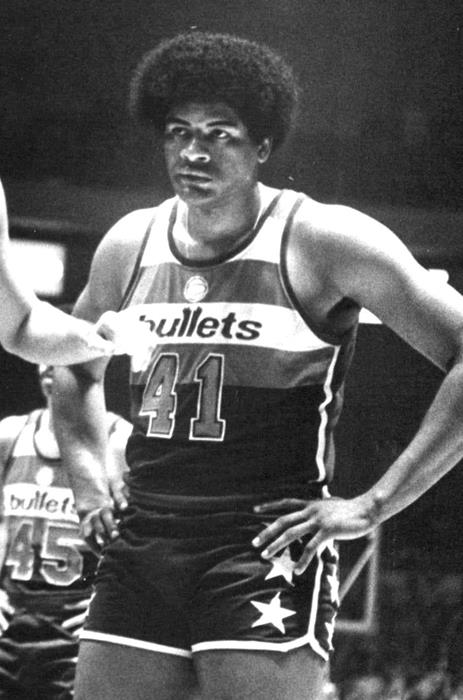
Wes Unseld is the definition of a franchise cornerstone. In 1969, he achieved a feat that only one other player in NBA history (Wilt Chamberlain) has matched: winning both Rookie of the Year and MVP in the same season. Known for his rebounding, defense, and pinpoint outlet passes, Unseld was the glue that held the Bullets together.
His career highlight came in 1978 when he led the team to its only NBA championship, earning Finals MVP honors. Unseld's jersey was retired in 1981, and he later served the franchise as a coach and executive. His No. 41 hanging in the rafters is a lasting symbol of his leadership and dedication to the team.
Phil Chenier (No. 45)
Phil Chenier's connection to the franchise spans decades. As a player, he was a sharpshooting guard who earned three All-Star selections during his career with the Bullets from 1971 to 1979. He was a key part of the team's championship run in 1978, averaging 17 points per game throughout his career.
After his playing days, Chenier became a familiar voice to fans as a broadcaster, calling Wizards games for over 30 years. In 2018, the team honored both his playing career and his contributions as a broadcaster by retiring his No. 45 jersey. His dual legacy makes him one of the most cherished figures in Wizards history.
The Legacy Behind the Numbers
These five retired numbers represent more than individual achievements. They tell the story of how the franchise grew and evolved. Earl Monroe brought style and creativity to the Bullets. Elvin Hayes and Wes Unseld gave the team its first championship. Gus Johnson set the tone with his toughness and energy, and Phil Chenier connected generations as both a player and a broadcaster.
The franchise's shift from the Baltimore Bullets to the Washington Wizards mirrors the legacy of these players. Each one left a mark on the team's identity, bridging different eras of basketball and leaving fans with memories that last a lifetime.
Fan Connection: Remembering the Legends
For fans, these retired jerseys are more than numbers. They're a reminder of the players who brought pride and excitement to Washington basketball. People still talk about Monroe's dazzling moves, Hayes's clutch performances in the playoffs, and Unseld's unmatched leadership.
Off the court, the connection runs just as deep. Phil Chenier's voice became a staple for fans tuning into Wizards games, while Gus Johnson's legacy as an early high-flyer inspires conversations about his impact. These stories, passed down through generations, keep the history of Washington basketball alive and well.
Retired Numbers and the Hall of Fame
Several of these legends have also been inducted into the Basketball Hall of Fame. Wes Unseld's MVP-Rookie of the Year season remains unmatched, while Earl Monroe's creativity changed how the game was played. Elvin Hayes's dominance in the post earned him a well-deserved spot among the game's greats.
These Hall of Famers represent the franchise's most successful eras. Their achievements not only inspire fans but also set a standard for current and future Wizards players aiming to leave their mark.
Capital One Arena's Honored Rafters
When you walk into Capital One Arena, the sight of those five jerseys in the rafters is a powerful reminder of the franchise's proud history. Monroe, Hayes, Johnson, Unseld, and Chenier represent the foundation of Washington basketball. Their stories connect the team's past to its future, inspiring both fans and players.
Looking Ahead: The Tradition Continues
As the Wizards look ahead, players like Bradley Beal have the chance to join these legends in the rafters. Retiring a jersey isn't just about numbers on a stat sheet; it's about the connection a player builds with the team and its fans. The current generation carries the torch, inspired by the greatness that came before them.
Conclusion
The retired jerseys of the Washington Wizards are more than decorations. They're a tribute to the players who shaped the franchise and gave fans memories to cherish. From Monroe's creativity to Unseld's leadership, these legends remind us of basketball's power to inspire. As we honor their legacies, we look to the future, knowing the rafters at Capital One Arena will always have room for greatness.
Related posts