What Is Eurobasket?
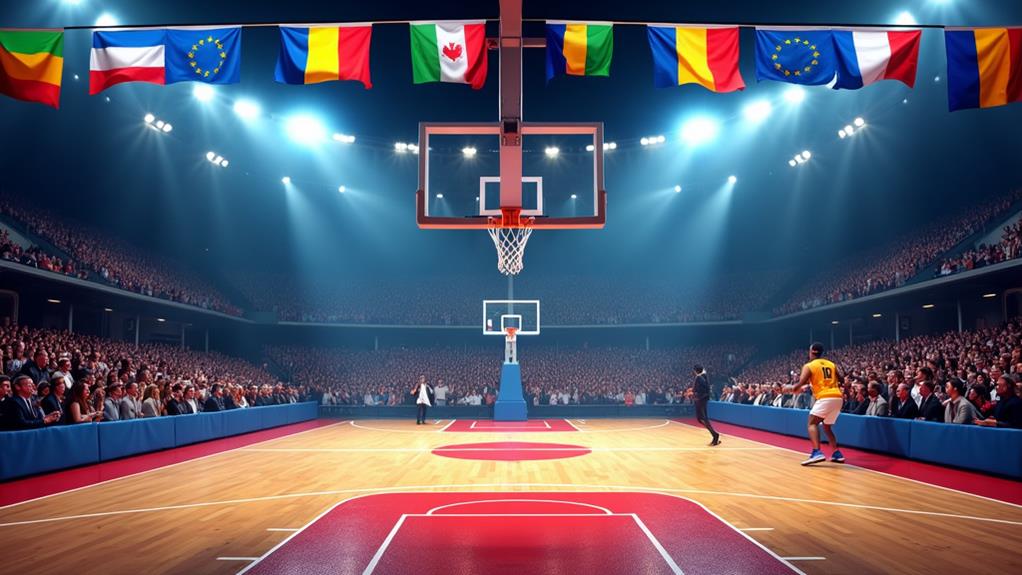
EuroBasket, organized by FIBA since 1935, is one of the premier basketball tournaments globally. Featuring 24 national teams from across Europe, the championship is known for its intense competition, progressing from group stages to exciting knockout rounds. This tournament not only showcases elite talent but also serves as a platform for emerging stars, making it a pivotal event in the global basketball calendar. Interested in its rich history, notable players, and recent developments? Let's explore how EuroBasket has evolved into a major event that captivates basketball fans worldwide.
History and Evolution
EuroBasket's journey began in 1935, just three years after the establishment of FIBA, with its inaugural tournament held in Switzerland and featuring ten countries. This event marked the beginning of what would become the premier European Championship in basketball. However, the path has not always been smooth. The 1941 edition was canceled due to World War II, interrupting the tournament's early momentum.
In the post-war period, EuroBasket saw diverse participation, including Egypt, which competed until 1953 and even won the championship in 1949. The geopolitical landscape of Europe has greatly influenced the tournament. For instance, the breakup of Yugoslavia led to the emergence of several new teams, reshaping the competition's dynamics.
Since 2011, the final competition has expanded to feature 24 teams, up from the previous 16-team format. This expansion allowed more nations to compete on Europe's grand basketball stage. Remarkably, Iceland made history in 2015 as the smallest nation to qualify, with a population of just 330,000. They even managed to qualify for back-to-back finals in 2017, proving that size does not determine success in EuroBasket. These evolving elements underscore the rich history and continuous growth of the European Championship.
Competition Format
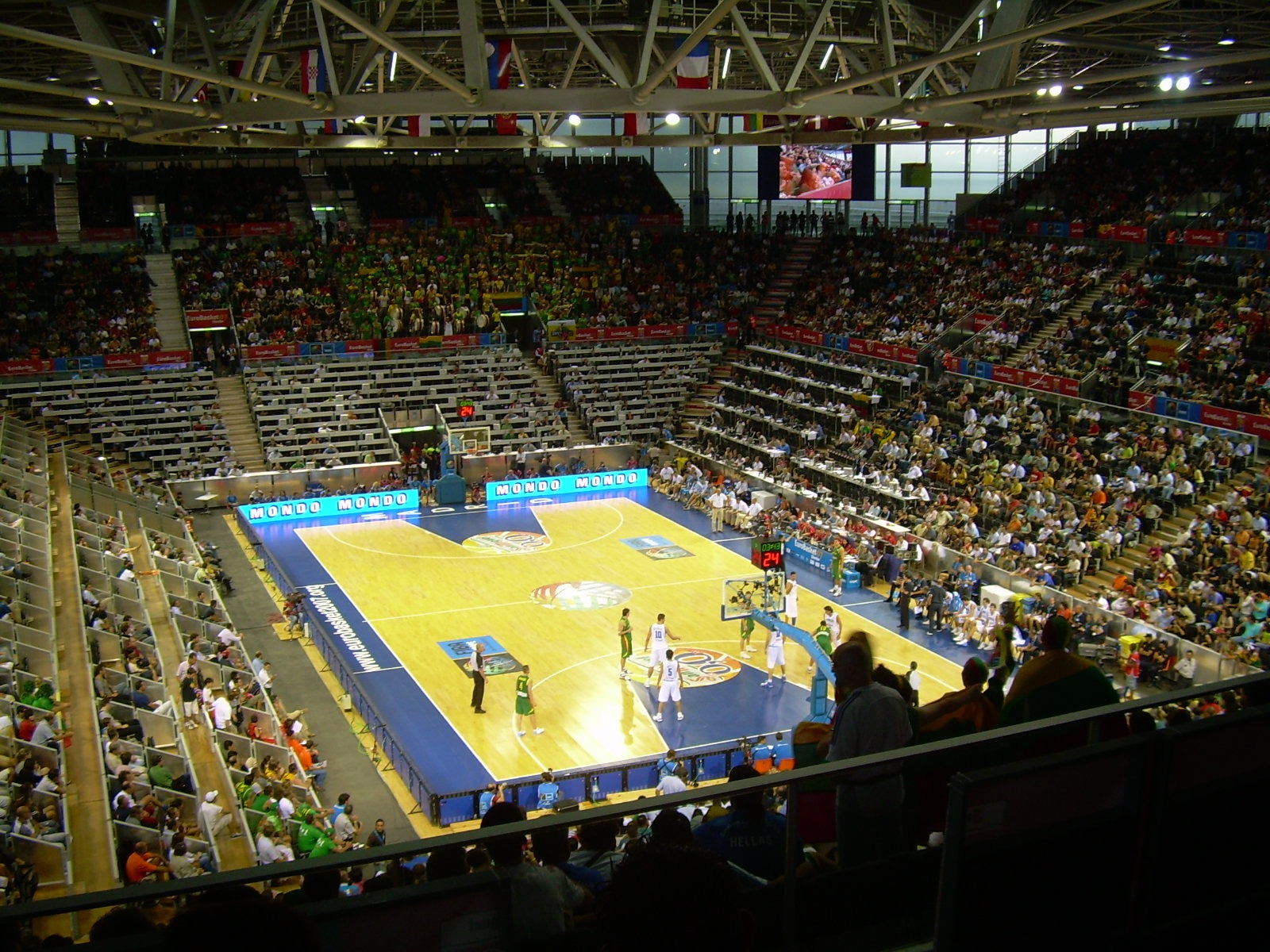
Building on its rich history and continuous growth, EuroBasket now features a dynamic competition format that keeps fans and teams on the edge of their seats. The tournament consists of two main stages: the group stages and the knockout rounds. This structure ensures competitive balance and thrilling matchups throughout the event.
Since 2011, the tournament expanded from 16 to 24 teams, allowing more nations to participate and enhancing overall excitement. Host nations automatically qualify, along with the top seven teams from the previous EuroBasket. The remaining spots are determined through qualification tournaments.
The initial stage involves multiple groups competing in a round-robin format. The top teams from each group advance to the knockout rounds, which include single-elimination matches and culminate in the finals to determine the champion.
Here's a breakdown of the current format:
| Stage | Description |
|---|---|
| Qualification | Teams compete for spots in the final tournament |
| Group Stage | 24 teams split into groups, round-robin play |
| Advance to Knockout | Top teams from each group move forward |
| Knockout Rounds | Single-elimination matches |
| Finals | Top two teams compete for the championship |
This structured format enhances excitement and competitiveness, making EuroBasket a must-watch event.
Notable Players
Legends like Pau Gasol and Krešimir Ćosić have left an indelible mark on EuroBasket, each earning the MVP title twice due to their outstanding performances. Gasol's dominance helped Spain secure multiple titles, while Ćosić's mastery on the court propelled Yugoslavia to great heights.
Nikos Galis holds the record for the highest career points per game average at an astounding 31.2, making him a legendary top scorer in EuroBasket history. Radivoj Korać also stands out with an impressive 24.8 PPG, solidifying his place among the greats. In recent times, Giannis Antetokounmpo captured attention by being the tournament's top scorer, averaging 29.3 points per game before Greece's quarterfinal exit.
Willy Hernangómez was named the MVP of EuroBasket 2022, leading Spain to their fourth title in six tournaments. His performance underscores the continuous emergence of new talent. Additionally, notable players like Dirk Nowitzki and Tony Parker have greatly contributed to their national teams, achieving remarkable accolades and leaving a lasting impact on EuroBasket's legacy.
Historical Highlights
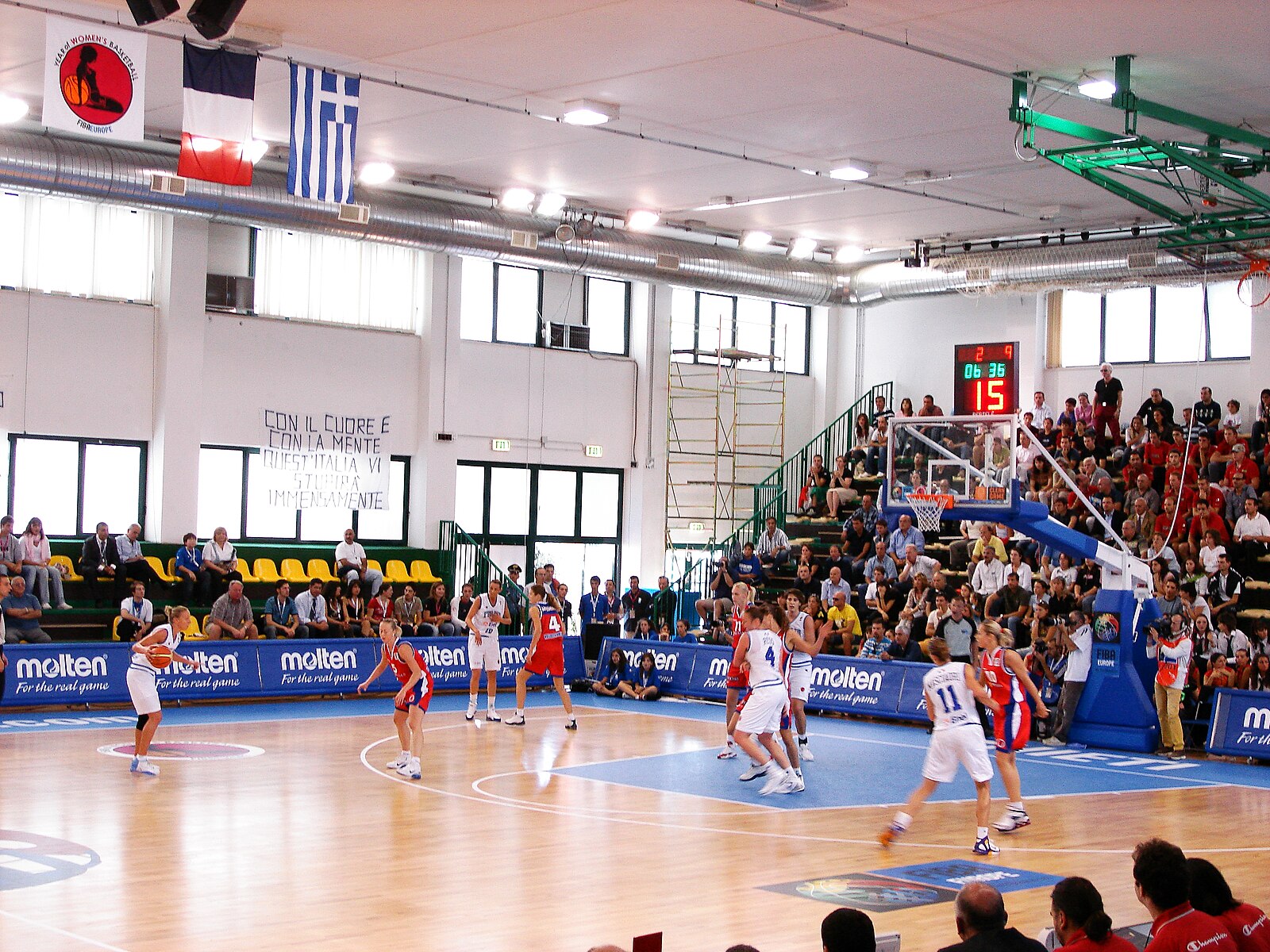
Since its inception in 1935, EuroBasket has been a stage for dramatic and memorable moments that have shaped the history of European basketball. The inaugural EuroBasket title went to Latvia, who triumphed in the tournament held in Switzerland, setting the foundation for a competition that would see the rise and fall of many men's national teams over the decades.
The 1970s were defined by the fierce rivalry between Yugoslavia and the Soviet Union. Yugoslavia clinched three gold medals, while the Soviet Union secured two, producing some of the decade's most intense and thrilling matches. One of the most unforgettable highlights came in 1987 when Greece claimed their first championship by defeating the Soviet Union in an overtime thriller.
Germany's unexpected triumph in 1993 is another standout moment in EuroBasket history, showcasing the tournament's potential for surprises and rising talents. In more recent years, Spain has established dominance, winning four EuroBasket titles since 2009, including consecutive championships in 2009, 2011, and 2015. These milestones highlight the competition's dynamic nature and underscore the rich history of men's national teams competing for European basketball supremacy.
Recent Developments
EuroBasket 2023 has garnered significant attention, driven by increased media coverage and expanded digital platforms. This surge in visibility has not only captivated new fans but also attracted substantial investment in the sport. EuroBasket's growing influence is clearly shaping the future of basketball in Europe and beyond.
Increased Media Coverage
EuroBasket's recent surge in media coverage has elevated it to prominence as one of Europe's premier international basketball tournaments. This increased attention has not only boosted the tournament's profile but also revolutionized fan interaction. With the 2023 EuroBasket aired on platforms like ESPN+ in the U.S., accessibility for basketball enthusiasts worldwide has significantly expanded.
| Year | Media Platform | Viewership Growth |
|---|---|---|
| 2019 | Local TV | Moderate |
| 2021 | Digital Streams | Significant |
| 2023 | Global Networks | Explosive |
Social media has been instrumental in this transformation. Highlights and fan reactions flood platforms, creating a dynamic environment for real-time engagement. This heightened interaction has particularly resonated with younger audiences, broadening EuroBasket's reach and influence.
Moreover, FIBA's strategic use of digital platforms has modernized the tournament's visibility and fan engagement. This approach has not only attracted more viewers but also spurred investments in youth programs and basketball development initiatives across Europe. Consequently, the sport has experienced substantial growth, ensuring a vibrant future for basketball in the region.
Digital Platform Expansion
FIBA's extensive expansion of digital platforms has revolutionized EuroBasket's accessibility and viewer engagement. By upgrading online platforms, FIBA has made it more convenient to access live streams, highlights, and comprehensive statistics. This enhanced digital presence has increased media coverage and significantly boosted online engagement, expanding the tournament's fanbase across various channels.
You can now enjoy real-time game updates, interactive player statistics, and seamless social media integration, all of which enhance your viewing experience. These features are part of FIBA's strategic digital marketing efforts, attracting more viewers and improving visibility for sponsors and partners, thereby driving crucial financial support for EuroBasket.
Furthermore, FIBA's commitment to digital expansion includes initiatives aimed at engaging younger audiences. Through innovative content and mobile applications, the tournament has become more appealing to a tech-savvy generation. These digital efforts ensure that you are always connected and engaged, regardless of your location. With these advancements, EuroBasket continues to set new standards in sports entertainment, making it a must-watch event in the basketball calendar.
NBA Participation
NBA players have increasingly taken the EuroBasket stage by storm, showcasing their elite skills and elevating the competition. Stars like Giannis Antetokounmpo have electrified the court. In the 2022 EuroBasket tournament, Giannis stood out as the top scorer with an impressive average of 29.3 points per game before Greece's unfortunate quarterfinal exit. His presence, along with other NBA players, has brought a new level of excitement to the event.
Luka Doncic, another NBA sensation, further exemplified this trend by delivering a jaw-dropping 47-point performance against France. Such displays highlight how NBA talent can shift the dynamics of EuroBasket, making each game a must-watch event. With players like Nikola Jokic also participating, the tournament has garnered unprecedented attention from fans and media worldwide.
This influx of NBA stars has not only raised the competition's profile but also its competitiveness. For emerging talents in European leagues, EuroBasket serves as a critical platform to gain recognition. Many use it to catch the eyes of NBA scouts, influencing recruitment strategies and offering a pathway to the world's premier basketball league.
Future Outlook
Looking ahead to EuroBasket 2025, the rising media coverage is generating more excitement around the tournament. This heightened attention is also driving investments in youth basketball programs, ensuring a steady influx of new talent. These developments are shaping the future of European basketball in significant ways.
Rising Media Coverage
EuroBasket's media coverage is skyrocketing, heralding a promising future for the tournament and European basketball as a whole. With increased media attention, EuroBasket is capturing a broader audience, driving basketball development across Europe. Recent tournaments have seen a significant rise in viewership, bolstered by extensive broadcasting partnerships. For example, the 2023 EuroBasket event was streamed on platforms like ESPN+, making it accessible to international fans.
The impact of social media is equally significant. Fans are actively sharing highlights, statistics, and personal reactions, amplifying the tournament's visibility and popularity. FIBA has effectively leveraged digital platforms to enhance EuroBasket's reach, ensuring that fans can follow their favorite teams and players more closely, thereby deepening their connection to the sport.
This heightened media coverage not only elevates EuroBasket's profile but also influences team rankings and player scouting strategies for future international competitions. Increased visibility attracts more investment in the sport, leading to better facilities, coaching, and opportunities for young players. Ultimately, the growing media coverage of EuroBasket is creating a positive feedback loop that will continue to elevate European basketball.
Youth Talent Development
The rising media coverage of EuroBasket not only boosts the tournament's popularity but also emphasizes its critical role in developing youth talent. EuroBasket serves as an essential platform for young players, offering them exposure to international competition and advanced levels of play. National federations invest significantly in youth programs, showcased during the tournament, creating abundant scouting opportunities.
Players like Luka Doncic and Giannis Antetokounmpo, who made substantial impacts at young ages, exemplify emerging talents that inspire future generations. FIBA actively supports youth basketball programs throughout Europe, emphasizing grassroots development. The visibility and prestige of EuroBasket enhance these initiatives, leading to increased investment in training facilities and coaching resources.
EuroBasket's contribution to youth talent development can be summarized as follows:
| Aspect | Impact | Examples |
|---|---|---|
| Youth Programs | Enhanced scouting and development | Investments by national federations |
| Emerging Talents | Young players achieving significant impacts | Luka Doncic, Giannis Antetokounmpo |
| Grassroots Development | Encourages widespread participation and interest | FIBA's initiatives across Europe |
The continued success of EuroBasket fosters a growing interest in basketball among youth, increasing participation and ensuring a promising future for the sport.