What Is the History of AAU Basketball?
The history of AAU basketball dates back to 1888 with the founding of the Amateur Athletic Union, which aimed to promote amateur sports. Basketball was added to its roster by 1891, and the first Men's Championship was held in 1897. The sport gained significant momentum in the 1960s and 1970s, creating crucial opportunities for college recruitment and establishing age-segmented national championships. This early foundation has profoundly influenced today's player development and pathways to college and professional basketball. Let's explore the pivotal moments and key tournaments that have shaped AAU basketball over the decades.
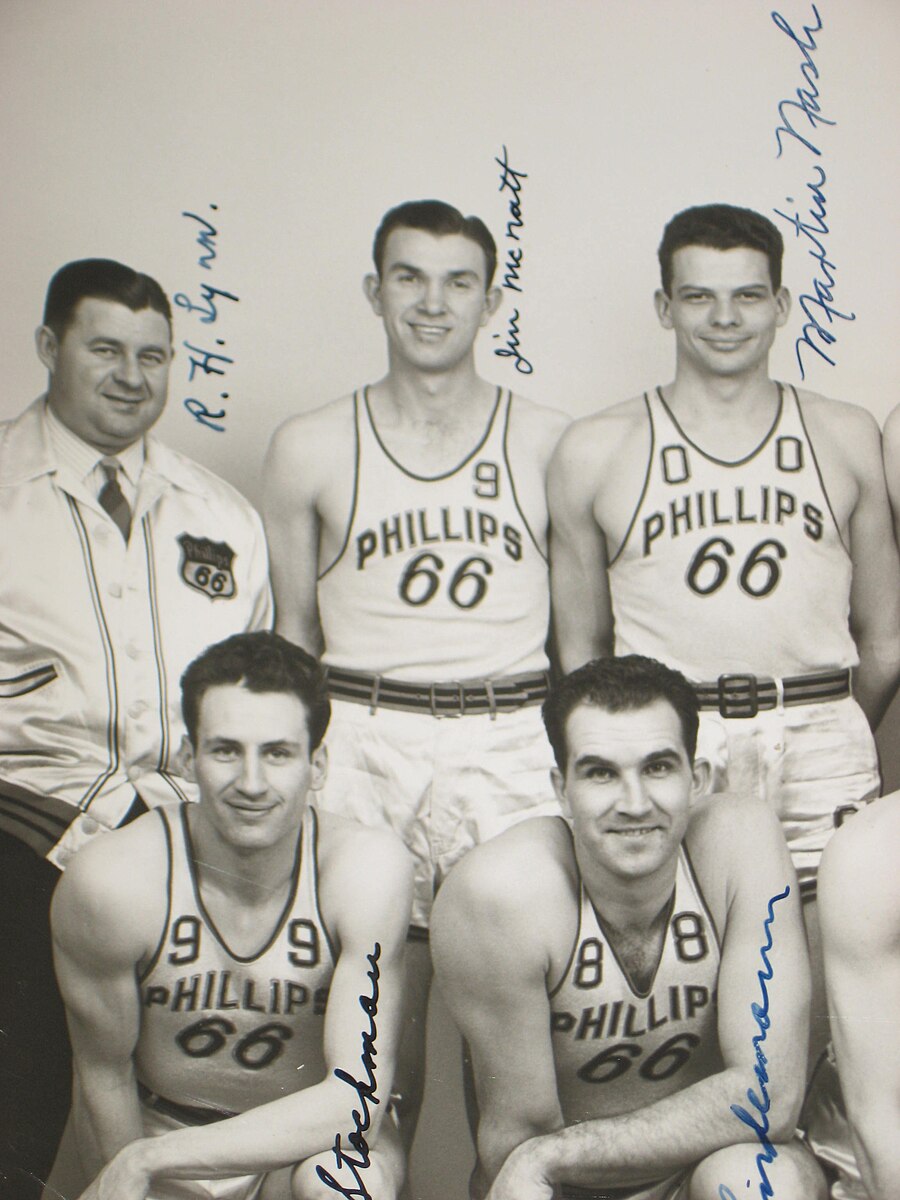
Photo: A signed team photo of the 1944-45 AAU National Champion Phillips 66 Oilers.
Foundation and Early Years
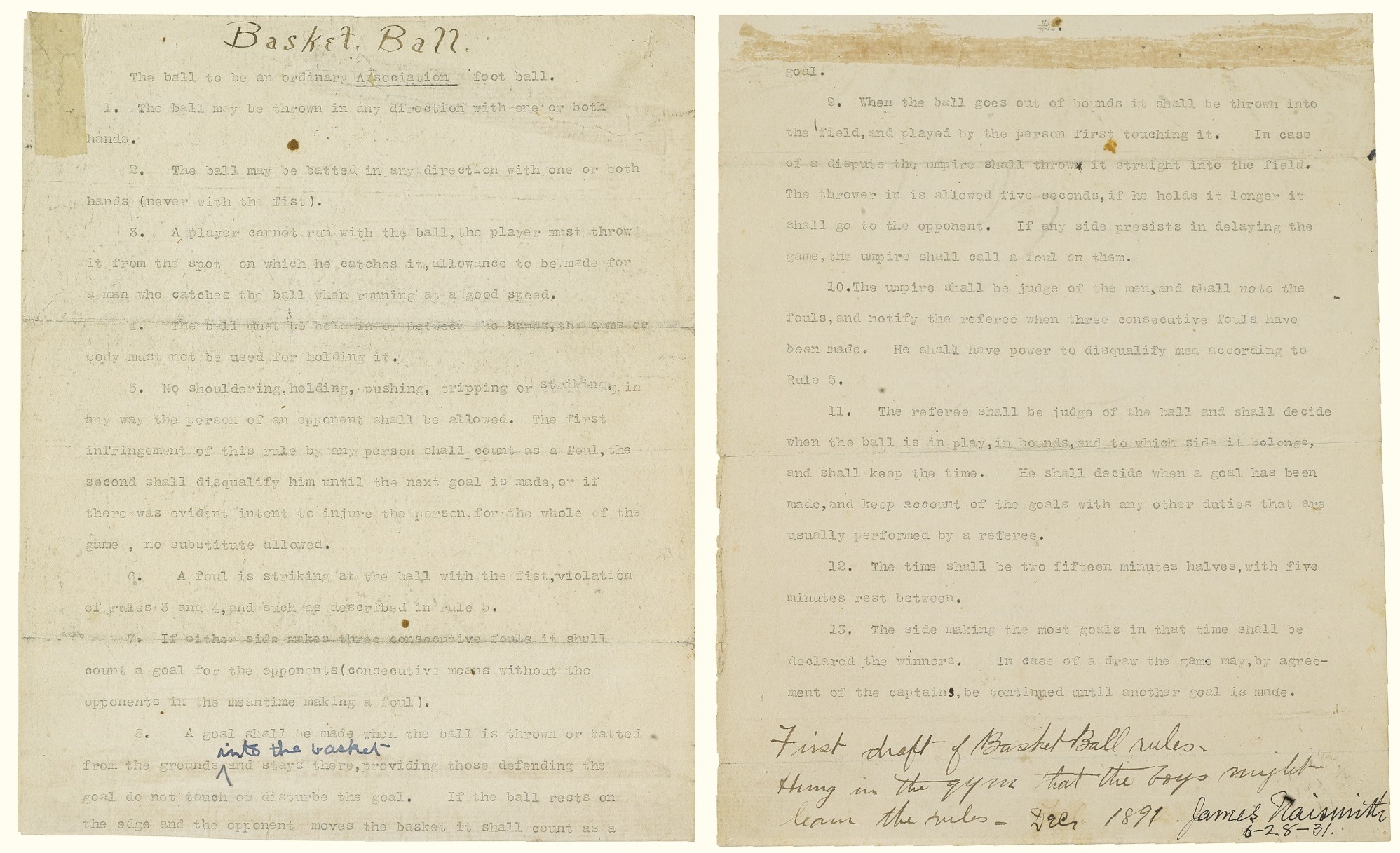
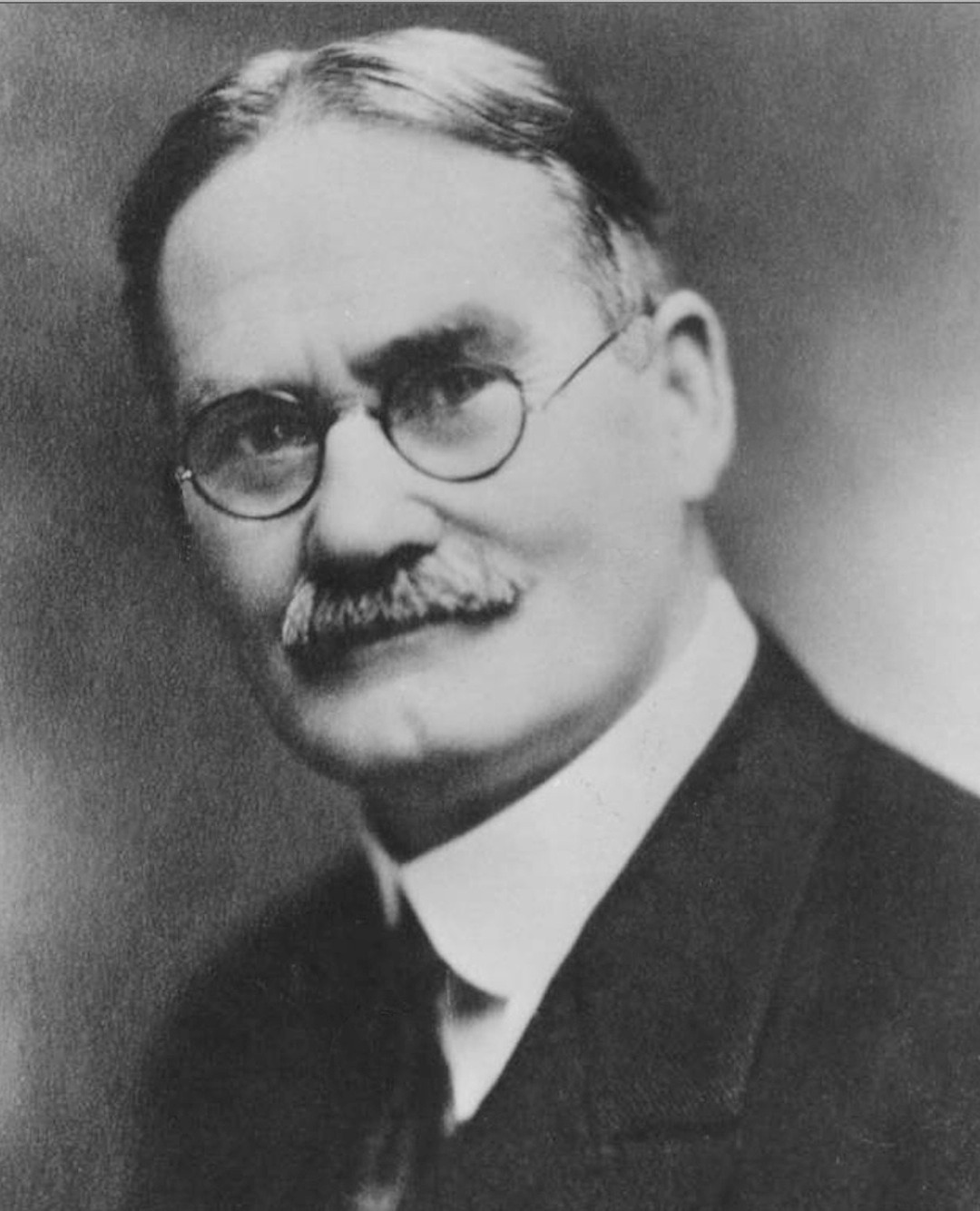
The Amateur Athletic Union (AAU), established in 1888 to promote amateur sports in the United States, quickly integrated basketball after its invention by Dr. James Naismith in 1891. The AAU Men's Basketball Championship debuted in 1897, marking the start of organized basketball competition.
The 1960s and 1970s saw a surge in AAU Basketball participation, necessitating the creation of age divisions to ensure fair play. This growth not only improved the quality of competition but also attracted college scouts, who began attending AAU tournaments to identify potential recruits for collegiate programs.
With structured competition and clear age divisions, AAU Basketball became an essential platform for young athletes to showcase their talents. This facilitated easier identification and recruitment by college scouts, solidifying AAU Basketball's pivotal role in youth sports development.
Growth and Expansion
During the 1960s and 1970s, AAU Basketball experienced explosive growth as interest in youth sports soared across the United States. This period marked a significant expansion in participation, with more young athletes eager to compete. A key driver of this growth was the introduction of age divisions in AAU tournaments, ensuring fair competition and allowing players of similar ages and skill levels to compete against one another, thereby making the sport more accessible and enjoyable.
National championships organized by AAU became major highlights for young basketball players. These events attracted top talent from across the country, providing a vital platform for showcasing skills. College scouts and coaches from NCAA programs began to recognize AAU tournaments as essential recruitment events, relying heavily on these tournaments to identify and recruit promising high school athletes.
The emergence of grassroots basketball programs linked to AAU further fueled the sport's growth. These programs played a significant role in developing the skills of many future NBA players. The combination of structured age divisions, high-profile national championships, and a strong focus on recruitment helped AAU Basketball establish its place in the landscape of American youth sports.
Key Tournaments and Events
The growth of AAU basketball is significantly influenced by the National Championships. These tournaments have evolved over the years, offering developmental division competitions where young athletes can showcase their talents. Many future college stars first attract the attention of NCAA recruiters at these events.
National Championships' Growth
The evolution of AAU basketball's national championships highlights the sport's dynamic growth and increasing significance in America. The AAU National Men's Basketball Championship debuted in 1897, featuring teams like the 23rd Street YMCA in New York City. This early milestone established a competitive platform that would eventually showcase youth talent.
The introduction of youth divisions in 1968 transformed AAU basketball tournaments by promoting fairer competition and boosting participation. The establishment of the AAU Junior National Basketball Championships in 1970 further amplified this trend, attracting youth talent nationwide and becoming crucial for player development.
By the 1990s, AAU basketball tournaments had become essential for college coaches scouting top high school athletes. The organization's reach expanded significantly, hosting thousands of tournaments annually and providing numerous opportunities for young players to develop and gain recognition.
Key milestones include:
| Year | Event | Impact |
|---|---|---|
| 1897 | Initial AAU National Men's Basketball Championship | Established a competitive platform |
| 1968 | Introduction of youth divisions | Increased participation and fair competition |
| 1970 | AAU Junior National Basketball Championships | Drew national youth talent |
These developments underscore AAU's pivotal role in shaping the future of basketball in the U.S.
Age Division Competitions
Building on the rapid expansion of national championships, AAU Basketball introduced youth category competitions in the late 1960s to ensure fair play among young athletes. This strategic move led to the establishment of diverse age-specific tournaments, ensuring that players would compete against peers of similar maturity levels.
By 1970, the initial national AAU Basketball Championships for youth were held, setting a precedent for future competitions. This annual event has grown significantly, now featuring over 1,000 teams competing across multiple youth divisions each summer. These tournaments are not only about competing for titles but also serve as major recruiting events for college scouts, providing exposure for many players who advance to collegiate and professional levels.
Key AAU Basketball events include:
- AAU National Basketball Championships: Over 1,000 teams compete every summer.
- AAU Junior Olympic Games: Features basketball as a key event with over 5,000 young athletes.
- Regional Tournaments: Held across the country to qualify for national championships.
- Super Showcases: High-visibility tournaments attracting scouts.
- AAU World Championships: International competition for top youth teams.
These youth division competitions have solidified AAU Basketball's role in developing young talent and providing a platform for future stars.
Influence on College Basketball
AAU tournaments play a significant role in college basketball recruitment. NCAA coaches frequently attend these events to scout high school athletes and offer scholarships based on their performances. This system has greatly enhanced athletes' visibility and scholarship opportunities, shaping the future of college basketball.
Showcase for Talent
As high school athletes aim to make their mark, AAU basketball events serve as crucial showcases for emerging talent, significantly influencing college basketball recruitment. These tournaments have become a primary stage where athletes can display their skills and attract the attention of NCAA recruiters. College coaches frequently attend these events, leveraging the competitive environment to evaluate potential recruits. This direct exposure greatly impacts scholarship offers and the shaping of NCAA rosters.
Key points to consider:
- AAU tournaments: These events offer a competitive arena where talent is fully displayed.
- NCAA scouts: They rely heavily on AAU tournaments to identify and recruit top talent.
- National championships: The growth in the 1960s and 1970s attracted increased scout attention.
- Age divisions: Fair competition through age divisions highlights standout athletes.
- NBA success stories: Stars like Kobe Bryant and Kevin Durant credit their AAU experience for their development.
The rise of AAU basketball in the 1960s and 1970s, along with an increase in national championships, brought more attention from college scouts. These events, characterized by their structured age divisions and competitive nature, have become breeding grounds for future collegiate and professional stars.
Scholarship Opportunities
Participating in AAU basketball can significantly enhance a high school athlete's chances of earning college scholarships. AAU basketball events serve as vital showcases where college coaches and scouts congregate to identify emerging talent. These tournaments offer athletes the visibility needed to attract the attention of NCAA programs, which frequently depend on AAU events for talent scouting.
The well-structured youth divisions in AAU leagues allow athletes to compete against peers, thereby increasing their visibility and scholarship opportunities if they excel. The competitive nature of AAU tournaments encourages skill development, making athletes more appealing to college recruiters.
A substantial number of NBA players have emerged from the AAU system, highlighting its effectiveness in talent development. Participation in AAU basketball not only showcases an athlete's abilities but can also result in significant scholarship offers. Many athletes receive educational funding based on their performance in these high-stakes environments.
AAU and the NBA
AAU basketball has been instrumental in developing NBA talent, shaping the careers of many top players and enhancing grassroots basketball in the United States. It serves as a primary platform for youth athletes to showcase their skills to college recruiters and NBA scouts. Notable stars like Kobe Bryant, LeBron James, and Kevin Durant all participated in AAU during their formative years, significantly boosting the sport's visibility and competitiveness.
- Grassroots basketball development: AAU plays a vital role in nurturing young talent.
- Showcase for youth athletes: Provides opportunities for players to be noticed by college recruiters and NBA scouts.
- High-profile tournaments: These events attract significant attention and influence recruitment landscapes.
- Age divisions: Ensure fair competition among peers, aiding in player development.
- Recruitment ethics: There are ongoing discussions about AAU's impact on the basketball ecosystem.
The AAU circuit gained substantial influence in the 1990s and 2000s, with high-profile tournaments becoming essential for identifying top-tier talent. These tournaments often feature age divisions, allowing young athletes to compete against their peers. The relationship between AAU basketball and the NBA has sparked ongoing conversations about player development, recruitment ethics, and the broader basketball ecosystem.
Modern Era Developments
Since the 1990s, AAU Basketball has experienced transformative changes that have reshaped youth sports in America. During this period, the program saw significant growth with the establishment of diverse national tournaments, attracting elite talent and college scouts. This made AAU Basketball an essential platform for young athletes aspiring to play at higher levels.
In 2000, the AAU introduced the "Super Showcase," a premier recruiting event where high school athletes could compete in front of college coaches and scouts nationwide. This event highlighted top talent and enhanced their chances of earning college scholarships. The program has also expanded its age divisions, now offering competitions for athletes as young as 8 up to 19, to accommodate increasing youth participation in basketball.
The COVID-19 pandemic in 2020 presented new challenges, leading the AAU to implement health protocols and create virtual events to keep players engaged and competitive. Despite these hurdles, the AAU continues to be instrumental in player development. Many NBA players, including LeBron James and Kobe Bryant, participated in its tournaments during their youth.