Where Are Basketball Shoes Made? A Look at Global Manufacturing
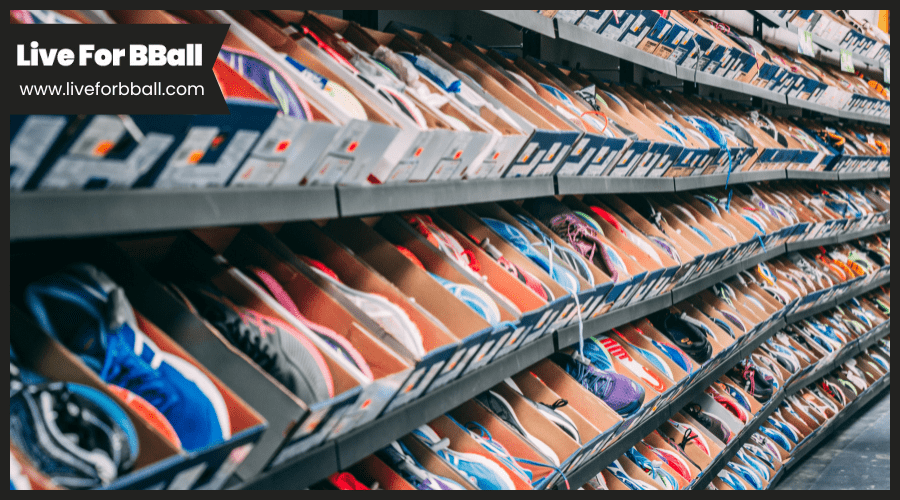
Have you ever wondered where your favorite basketball shoes are made? These shoes have become a staple for athletes and sneaker enthusiasts alike, but behind each pair is an intricate process that spans continents. Let’s explore how these shoes come to life, from raw materials to the courts and streets where they shine.
The Global Manufacturing Powerhouses
Most basketball shoes today are made in three countries: China, Vietnam, and Indonesia. These nations lead the global footwear industry, producing millions of pairs annually for some of the biggest brands.
China: The Giant in Production
China is the top producer of basketball shoes, responsible for about 60% of all footwear imported into the U.S. Its well-established factories and supply chains make it the first choice for major brands. Workers in China combine skill with efficiency, producing high volumes while meeting strict quality standards.
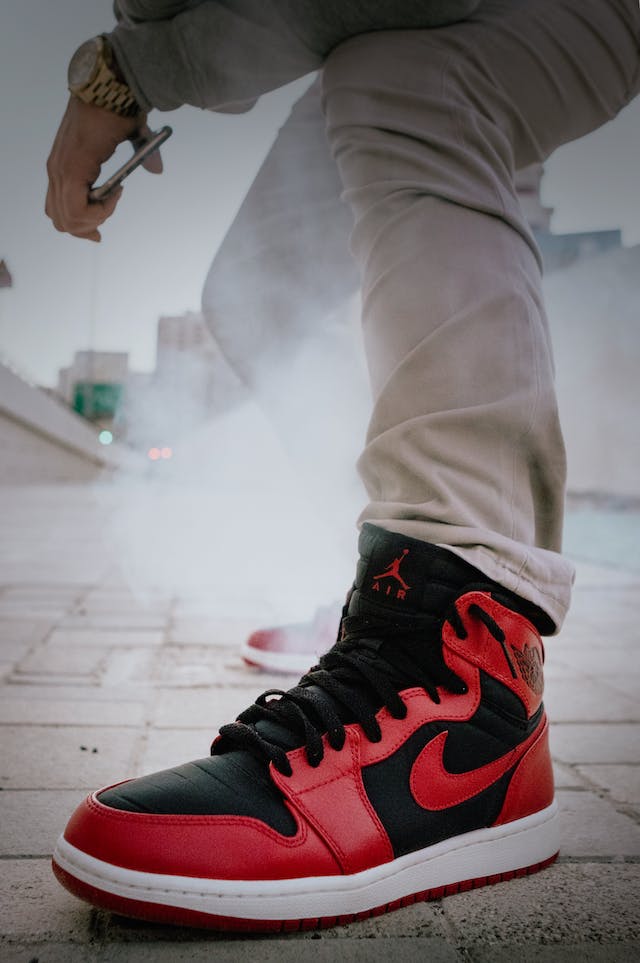
Popular models, like certain editions of the Nike Air Force 1, often come from Chinese factories. The country’s ability to handle both mass production and specialized designs is why it remains a leader in the industry.
Vietnam: A Growing Hub
Vietnam has become an increasingly important part of the basketball shoe industry. Many brands have shifted production here, attracted by lower labor costs and consistent quality. Vietnamese factories are known for producing high-performance models while keeping prices competitive.
Adidas, for instance, has expanded operations in Vietnam, relying on the country’s skilled workforce to meet growing demand. This shift also helps brands diversify their supply chains.
Indonesia: A Steady Contributor
Indonesia is another major player, providing a reliable base for shoe production. With skilled workers and access to raw materials, it’s a key location for brands like Converse and New Balance. Factories in Indonesia often focus on high-volume models, ensuring steady output to meet global demand.
The Raw Materials Behind the Shoes

Every pair of basketball shoes begins with carefully selected materials. These components come from a worldwide supply network and are designed to meet the specific needs of each shoe.
Leather
Leather is often used in basketball shoes, especially for retro or premium designs. Brands source different types of leather, like full-grain and top-grain, to ensure durability and style. Ethical sourcing has become a priority, with many companies choosing suppliers that follow strict environmental and labor guidelines.
Rubber
Rubber is a key material for outsoles, providing the grip and durability players need. Both natural and synthetic rubber are used, and many brands are now incorporating recycled rubber into their designs to reduce waste.
Polyester and Mesh
Lightweight and breathable, polyester and mesh are essential for the uppers of modern basketball shoes. These materials help keep feet cool and comfortable, especially during intense play. Advanced versions of polyester also offer moisture-wicking properties.
Foam
Foam is what gives basketball shoes their cushioning. From Nike’s Zoom Air to Adidas’ Boost technology, different types of foam provide comfort and support. Suppliers work closely with brands to develop unique blends for each design.
The Production Process
Once the materials are ready, they’re sent to factories where skilled workers and machines bring the designs to life. The production process involves several key steps:
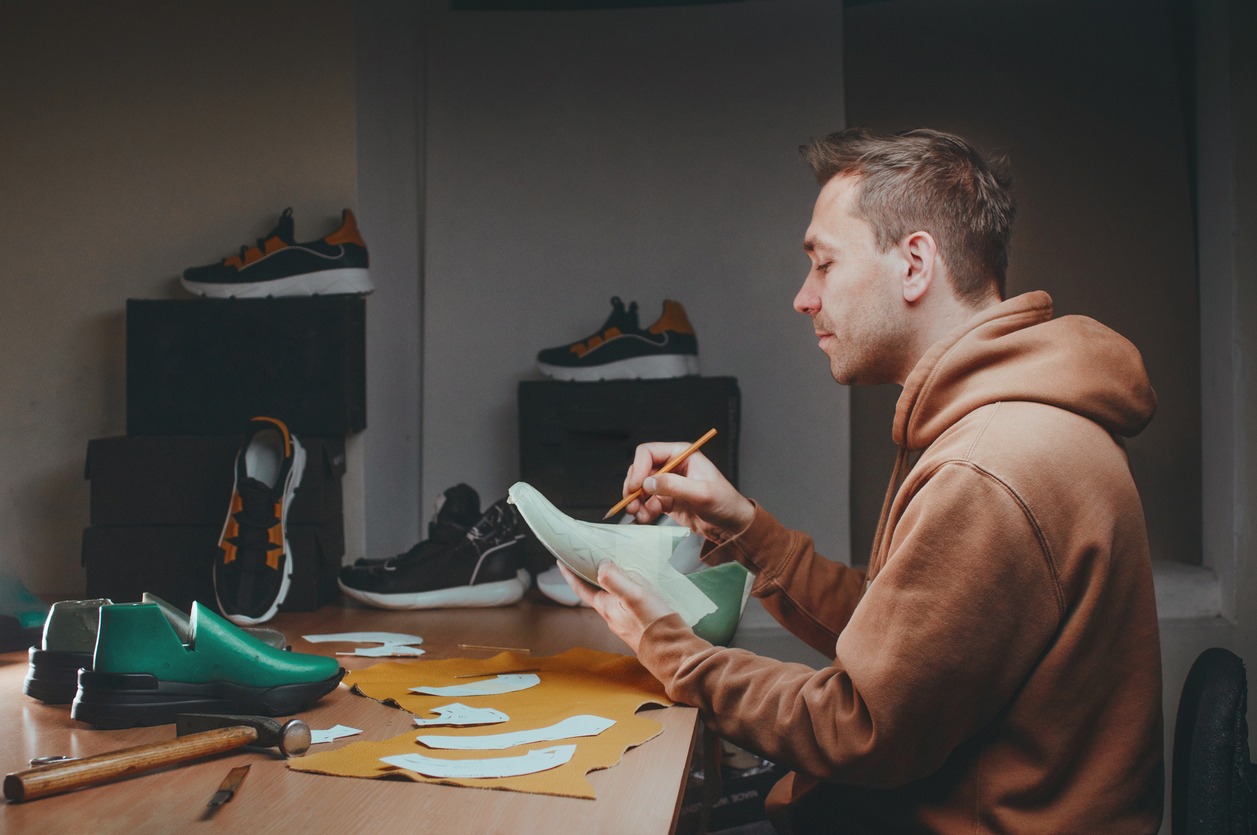
Cutting and Stitching
The materials are first cut into precise shapes using high-tech equipment. Workers then stitch these pieces together to form the upper part of the shoe. This stage requires attention to detail to ensure durability and fit.
Molding and Assembly
The midsole and outsole are molded separately, often using advanced techniques to create cushioning and traction. These components are then assembled with the uppers to form the complete shoe.
Quality Control
At every stage, quality control checks are carried out to make sure the shoes meet the brand’s standards. This includes inspecting the materials, construction, and final product. Shoes that don’t pass these checks are either fixed or discarded.
Evolution of Basketball Shoe Manufacturing
The way basketball shoes are made has changed significantly over the years. In the early days, production was concentrated in countries like the United States and Germany, with simpler designs and limited technological input. As demand grew, production shifted to Asia, where factories could produce at scale while keeping costs manageable.
Over the decades, brands began incorporating advanced materials and construction techniques, such as air-cushioned soles and lightweight uppers. Today, factories use a mix of automation and manual labor to balance precision with craftsmanship. Consumer preferences for performance and style continue to drive innovation in the industry.
Specialized Manufacturing: Limited-Edition and Player-Exclusive Shoes
Not all basketball shoes are mass-produced. Limited-edition releases and player-exclusive (PE) models require a different approach. These designs often start in smaller, specialized facilities where prototyping and fine-tuning are done before production begins.
For example, Nike’s collaboration with NBA stars often results in PEs that reflect the player’s personality and playing style. These shoes are typically produced in limited quantities, making them highly sought after by collectors and fans. The process involves more handcrafting and attention to detail compared to standard production models.
Economic Impact of the Basketball Shoe Industry
The basketball shoe industry isn’t just about sports; it’s a major economic driver in manufacturing countries. In places like Vietnam and Indonesia, shoe factories provide thousands of jobs, supporting local economies and families. The export of basketball shoes contributes significantly to these countries’ GDPs.
However, the industry also faces challenges. Labor rights issues and wage disputes are ongoing concerns in some regions. To address this, brands have started implementing ethical practices, including third-party audits and partnerships with organizations that promote fair labor standards.
Consumer Trends and Their Influence on Manufacturing
What consumers want has a big impact on how basketball shoes are made. In recent years, there’s been a growing demand for sustainable products. Brands are responding by incorporating recycled materials and reducing their carbon footprints. Retro designs have also made a comeback, prompting companies to re-release classic models with modern updates.
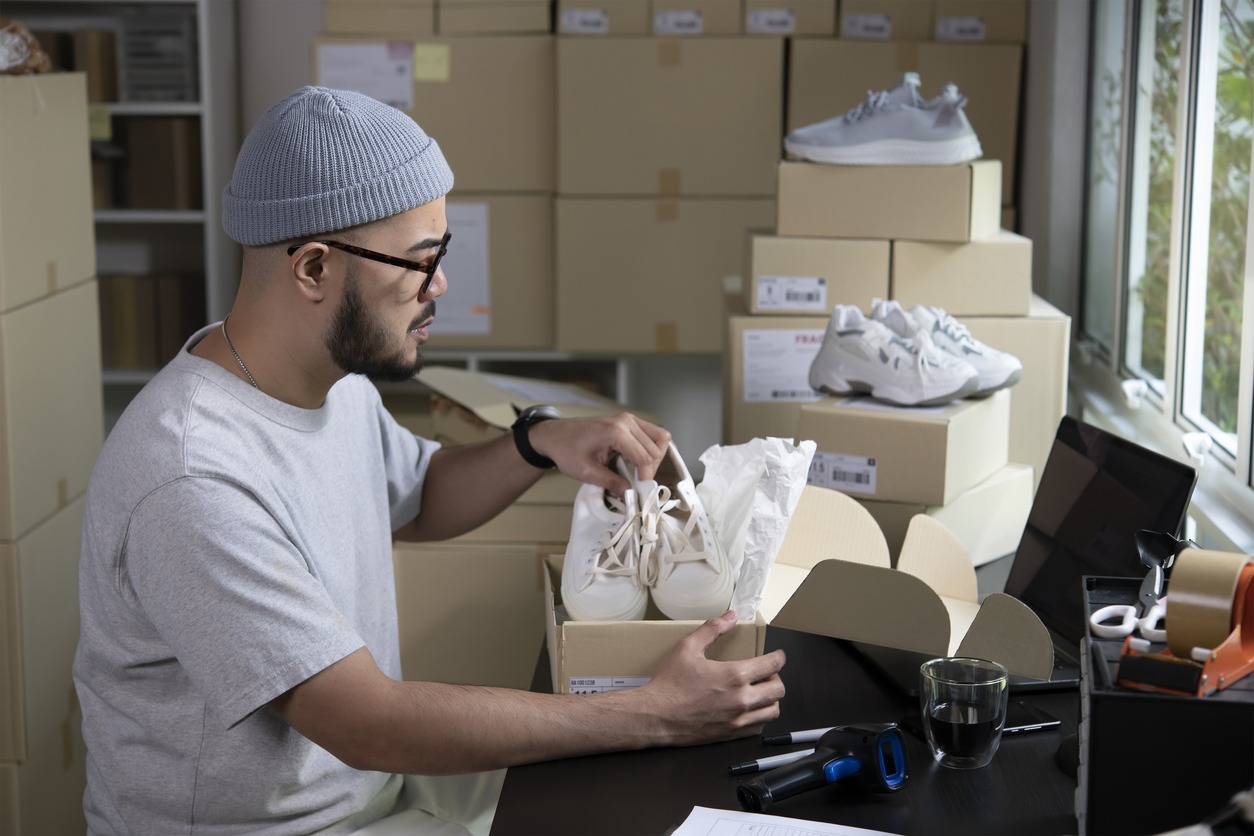
Customization is another trend shaping the industry. Many brands now offer options for consumers to design their own shoes, which has led to changes in production processes to accommodate these personalized orders. The rise of online shopping has further transformed how shoes are distributed, with faster delivery times becoming a top priority.
Labor and Cost Factors
Choosing where to produce basketball shoes depends on factors like labor costs, worker skills, and access to materials. Southeast Asia is a hub for production because it offers a balance of affordability and expertise.
Ethical practices are also a growing focus. Brands like Nike have strict Codes of Conduct to ensure fair wages and safe working conditions in their factories. Training programs are common, helping workers stay skilled as technology evolves.
Quality Control
Maintaining high standards is essential in the basketball shoe industry. Brands like Nike and Adidas conduct regular audits of their factories to ensure compliance with quality and ethical guidelines. These audits cover everything from working conditions to environmental impact.
Quality checks happen throughout the production process, from testing raw materials to inspecting finished shoes. This attention to detail helps prevent defects and ensures the shoes perform as intended.
Supply Chain Distribution
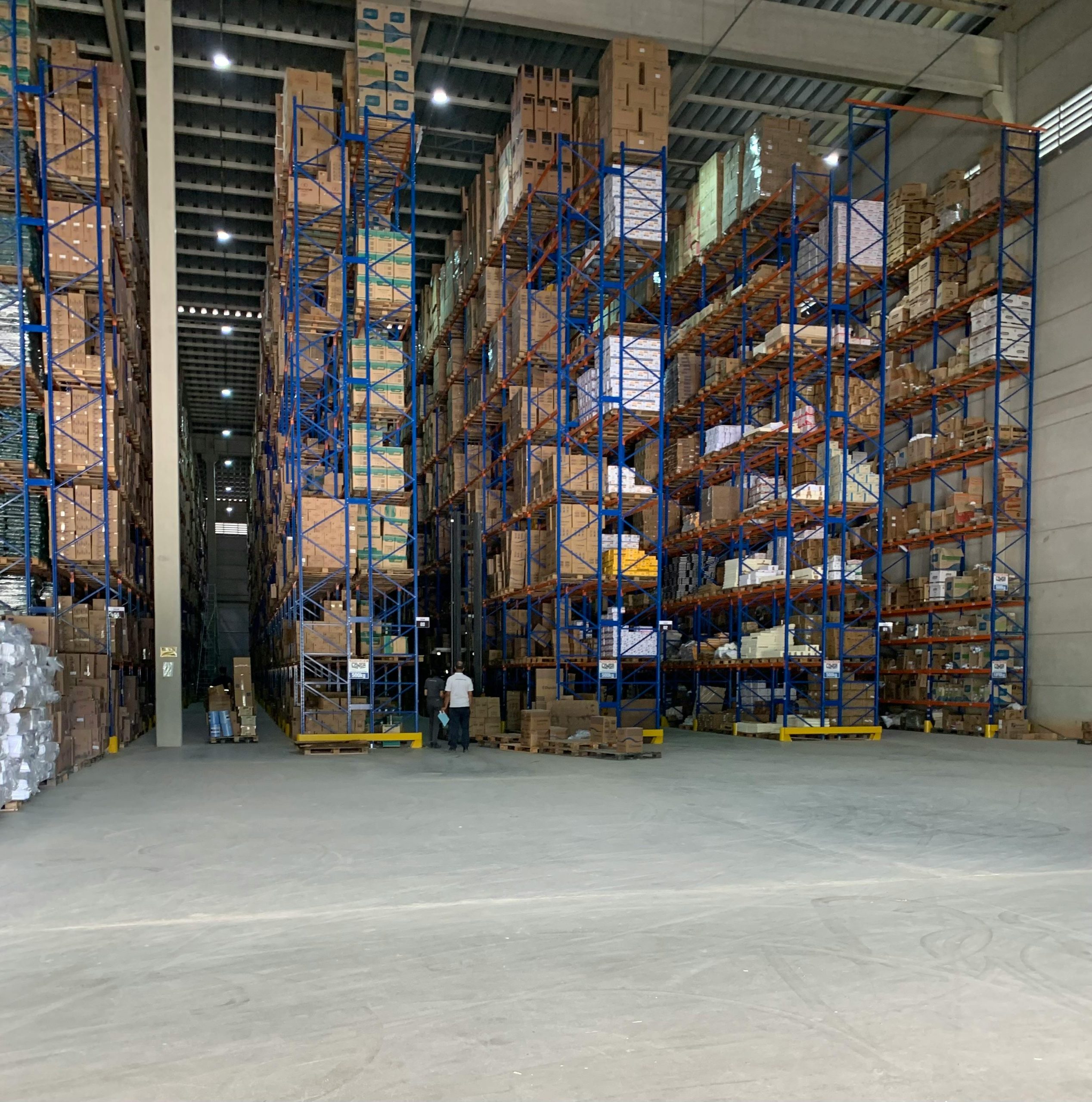
Once the shoes are made, they’re shipped to distribution centers and eventually to stores or directly to customers. This process involves an intricate supply chain that ensures timely delivery.
Brands use technology to streamline logistics. For example, automated tracking systems monitor shipments in real-time, while eco-friendly packaging reduces the environmental impact of transportation. These innovations help brands meet demand while staying sustainable.
Environmental Impact
Shoe production uses significant resources, but many brands are working to reduce their environmental footprint. Initiatives like Adidas’ carbon-neutral shoes and Nike’s Move to Zero campaign aim to make manufacturing more sustainable.
Efforts include using recycled materials, reducing water usage, and transitioning to renewable energy in factories. While challenges remain, these steps show a commitment to balancing production with environmental responsibility.
Conclusion
Basketball shoes go through an incredible journey before they end up on your feet. From sourcing the right materials to producing them in specialized factories, each pair represents a combination of hard work and careful planning.
As brands continue to innovate and prioritize ethical practices, the future of basketball shoe production looks promising. So, the next time you lace up your sneakers, remember the effort and craftsmanship that brought them to life—from the factory floor to your game-winning shot.