Who Were the First NCAA Basketball Teams?
When exploring the origins of NCAA basketball, one discovers that the first teams emerged in the late 19th century. Hamline University and Minnesota A&M played the first intercollegiate game on February 9, 1895, marking the beginning of organized college basketball. Other institutions like Geneva College and Vanderbilt University also played significant roles in the sport's early development. These pioneering efforts laid the groundwork for the highly competitive NCAA structure we see today, leaving a lasting legacy in college sports history.
Claims of First College Game
The origins of college basketball are somewhat ambiguous, with both Geneva College and Vanderbilt University claiming to have hosted the first college game in 1893. These institutions played pivotal roles in laying the groundwork for what would later become NCAA basketball.
Vanderbilt University's claim is supported by a documented game against the Y.M.C.A. on February 7, 1893, in which they won 9-6. This match set an early competitive tone for college basketball. Geneva College's involvement traces back to their physical director, C.O. Beamis, who introduced basketball to the college after observing it in Springfield.
However, the first recorded intercollegiate basketball game took place two years later, on February 9, 1895, when Hamline University played against Minnesota A&M. This game marked a significant milestone for organized college basketball, establishing a framework that would eventually lead to the formation of the NCAA.
Despite the differing claims of Geneva and Vanderbilt, their early adoption and promotion of basketball were crucial in the sport's development. Both institutions contributed to the rich history of college basketball, setting the stage for future intercollegiate competitions.
Geneva College's Role
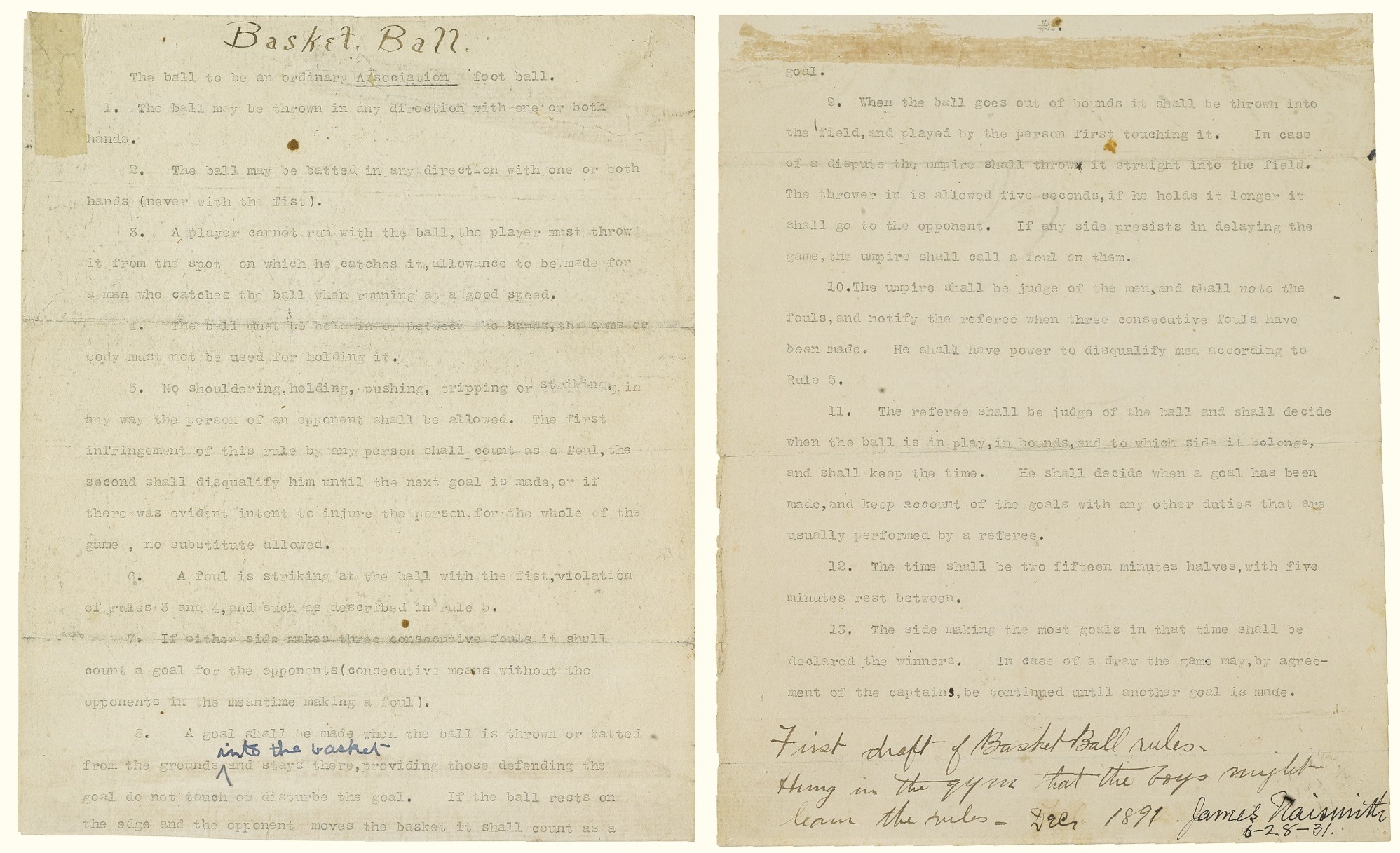
Geneva College's significant contributions to early college basketball are noteworthy. In 1893, they played what they claim to be the first college basketball game. Their physical director, C.O. Beamis, introduced the sport after observing it in Springfield. Dr. James Naismith, the inventor of basketball, acknowledged Geneva's pioneering efforts, reinforcing their foundational role in the sport's history.
Early Game Documentation
Geneva College's involvement in the early days of basketball is well-documented, solidifying its claim to having hosted the inaugural college game in 1893. This early adoption of the sport is highlighted by a college publication from 1892, referring to basketball as "Football in the Gym." Historical records also detail a game between Geneva College and New Brighton, ending in a low-scoring 3-0 result, typical of early basketball.
C.O. Beamis, Geneva's physical director, played a crucial role in introducing basketball to the college. After observing the sport in Springfield, Beamis brought it back to Geneva, contributing to its early integration into college athletics. This early adoption helped spur the sport's popularity among students. Dr. James Naismith, the inventor of basketball, acknowledged Geneva College's pioneering efforts in his writings, further supporting their claim to being among the first in intercollegiate basketball.
Geneva College's newspaper frequently documented these early basketball activities, providing a rich source of historical records. This documentation underscores the college's significant role in the early days of what would eventually become NCAA college basketball tournaments.
Pioneering Basketball Efforts
Geneva College's pioneering efforts in basketball highlight the institution's innovative approach to athletics. In the annals of college basketball history, Geneva College holds a distinguished position. Their physical director, C.O. Beamis, introduced the sport to the college after observing it at Springfield College, where Dr. James Naismith had invented it. This early adoption, documented in historical records, underscores Geneva College's significant contribution to the sport's development.
Consider these key milestones from Geneva College's early engagement with basketball:
- Early Games: Geneva College participated in one of the earliest recorded basketball games in 1893 against New Brighton, which concluded with a score of 3-0.
- Dr. James Naismith's Acknowledgment: Dr. Naismith himself recognized Geneva College's pioneering role, affirming its place in the history of collegiate basketball.
- Historical Documentation: An 1892 article in the college newspaper referred to basketball as "Football in the Gym," highlighting its early impact.
- Formation of Basketball Teams: The college's early games were instrumental in the formation of college basketball teams, influencing the future structure of the NCAA.
These milestones emphasize Geneva College's crucial role in the evolution of basketball, linking its early games to the contemporary era of college basketball.
Vanderbilt University's Contribution
Vanderbilt University's contribution to early college basketball history is undeniably significant. On February 7, 1893, Vanderbilt hosted a game against the Y.M.C.A., marking one of the initial known college basketball games. This event was a pivotal moment, showcasing Vanderbilt's early participation in what would become NCAA basketball history.
Vanderbilt won the game 9-6, attracting large crowds and demonstrating growing public interest in the sport. This exhibition highlighted basketball to a wider community, sparking enthusiasm and curiosity. Vanderbilt's yearbook meticulously documented the event, providing detailed records of the players and positions involved. These records have cemented Vanderbilt University's role in popularizing basketball, showcasing their essential contribution to the sport's early history.
First Intercollegiate Game
On February 9, 1895, history was made with the inaugural intercollegiate basketball game between Hamline University and Minnesota A&M. This significant event took place in a makeshift court located in a basement at Hamline University. The atmosphere was charged with excitement as the two teams faced off in what would become a cornerstone of organized college basketball.
The game ended with a score of 9-3 in favor of Minnesota A&M, marking their victory and setting a precedent for future competitions. This match is recognized for its historical importance, officially beginning the age of intercollegiate basketball, a sport that would grow exponentially in popularity and influence.
To truly grasp the emotional weight of this event, consider the following:
- Pioneering Courage: Players competed without the modern amenities we take for granted today.
- Humble Beginnings: The game was held in a basement, far from today's grand arenas.
- Uncharted Territory: No previous blueprint for organized college basketball existed.
- Lasting Impact: This game laid the foundation for future intercollegiate sports.
No other institutions contest this claim, solidifying its place in the annals of sports history. This inaugural intercollegiate basketball game was indeed a significant milestone.
Evolution of College Basketball
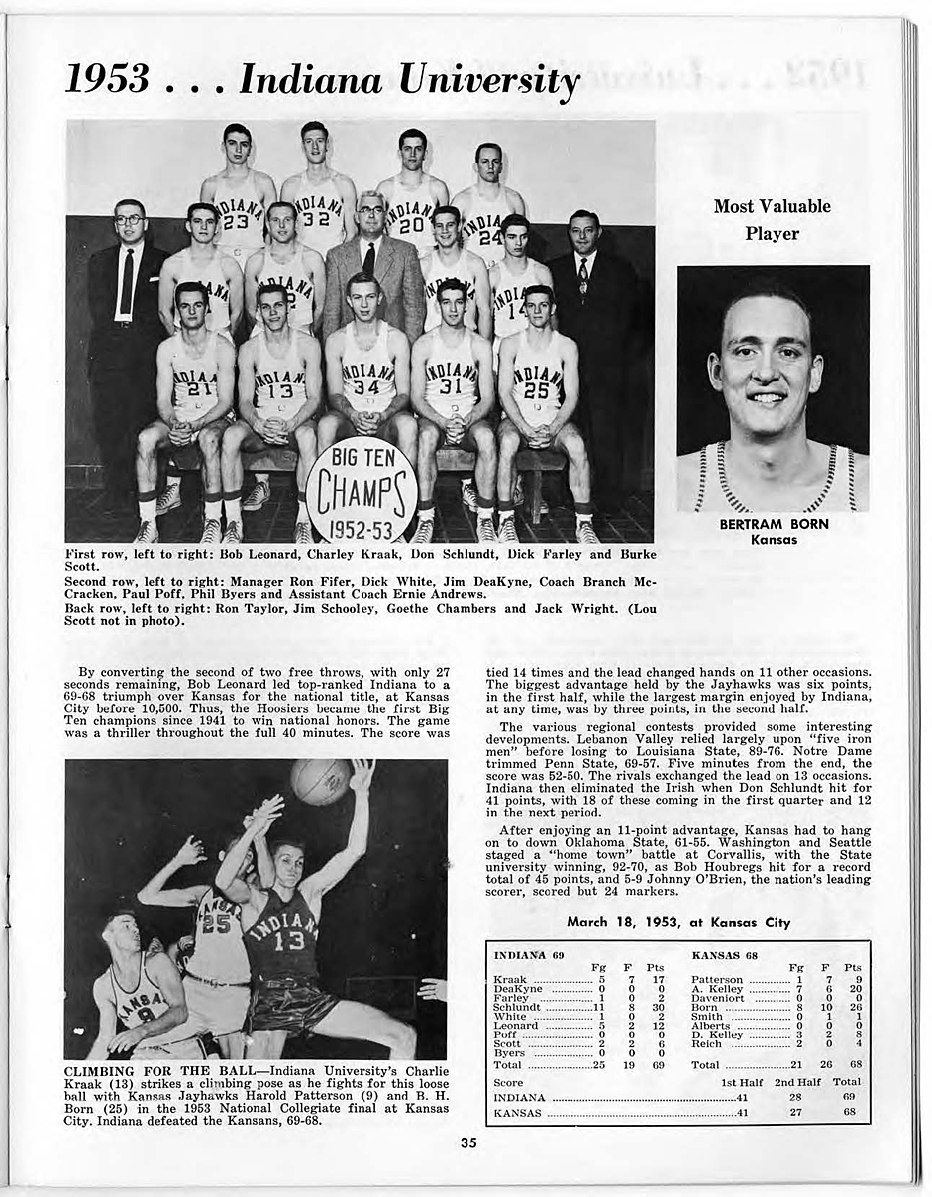
The evolution of college basketball is a captivating journey from its uncertain origins to a major sporting spectacle. The sport's early history is somewhat ambiguous, with both Vanderbilt University and Geneva College claiming to have played the first college basketball game in 1893. However, the first documented intercollegiate basketball game occurred on February 9, 1895, between Hamline University and Minnesota A&M, marking a significant milestone in the sport's organized play.
The game evolved rapidly. On January 18, 1896, the University of Chicago played against the University of Iowa in the first game featuring modern five-man lineups, establishing a format that would become standard. By the late 19th century, college basketball's popularity surged, leading to the creation of formal competitions. These early games were crucial in developing the standardized rules and gameplay that define the sport today.
As you delve into the history of college basketball, you'll see its transformation from sporadic matches to structured tournaments, reflecting its growing influence and organizational sophistication. The sport's evolution underscores its increasing prominence and the refinement of its rules and play.
Conference Structure and Dynamics
Conference structures have evolved significantly over the years. While geographic boundaries once defined conferences, media deals and competitive advantages now drive realignment. This shift has led schools to join conferences far from their original regions, impacting the dynamics of NCAA basketball.
Geographic Expansion Trends
NCAA Division I basketball has evolved from its regional origins to a national framework, driven by the pursuit of lucrative media deals and competitive advantages. Conferences are no longer confined by geographic boundaries, leading to widespread realignment as schools seek membership in leagues that offer greater exposure and financial benefits.
Prominent conferences like the Big Ten and Atlantic Coast Conference (ACC) have expanded to include teams from outside their traditional areas, enabling them to tap into new markets and enhance their competitive standing. However, independent teams face significant scheduling challenges and do not receive automatic NCAA tournament bids, unlike conference champions.
Consider the impacts of these shifts on the game:
- Rivalries: Long-standing matchups can become diluted or disappear entirely.
- Scheduling: Independent teams struggle to find consistent, high-quality opponents.
- Visibility: Schools in prestigious conferences gain more media coverage.
- Marketability: Conference membership can significantly enhance a school's brand.
Ultimately, the geographic expansion trends in NCAA Division I basketball have created a more dynamic and competitive landscape, reshaping traditional rivalries and altering how teams approach each season.
Media Deal Impacts
As geographic expansion trends reshape the landscape of NCAA Division I basketball, the influence of media deals on conference structures and dynamics has become increasingly significant. Schools are aligning with conferences that offer lucrative broadcasting contracts to enhance visibility and revenue. The Big Ten and ACC, for instance, have expanded beyond traditional geographic boundaries to maximize media exposure and financial gains.
Independent teams face significant challenges due to the lack of automatic NCAA tournament bids, which impacts their scheduling and financial viability. These teams often struggle to secure competitive games and generate revenue, underscoring the benefits of strong conference affiliations. This shift in the competitive landscape means programs are now seeking partnerships that not only offer competitive advantages but also boost their media marketability.
The evolution of media deals has also transformed conference dynamics, affecting everything from team rivalries to scheduling. Traditional rivalries can be disrupted or intensified as teams move to new conferences. Furthermore, the overall growth of college basketball is influenced by these changes, as schools prioritize media exposure and revenue over geographic proximity. In this new era, media deals are a driving force shaping the future of NCAA basketball.
Impact and Legacy
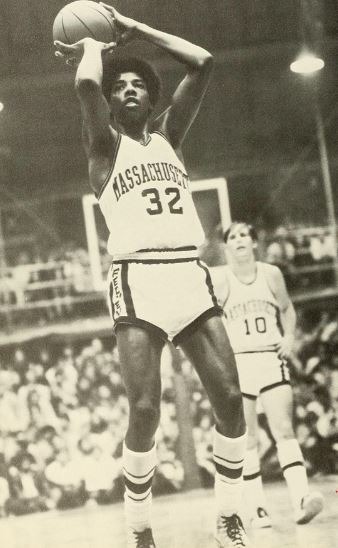
The inception of the NCAA Division I men's basketball tournament in 1939 marked a revolutionary shift in collegiate sports, laying the groundwork for what would become a cornerstone of American athletic culture. Oregon claimed victory in the inaugural championship, setting a precedent for the fierce competition that would define college basketball. Over time, the tournament's prestige eclipsed that of the National Invitation Tournament (NIT), forever altering the landscape of collegiate athletics.
UCLA's incredible run, securing 11 national championships, particularly in the 1960s and 1970s, established them as a powerhouse, their legacy synonymous with excellence in college basketball. The evolving tournament structure, expanding to 68 teams in 2011, has fueled the competitive nature of the sport, offering more programs a shot at glory and enhancing the recruitment process.
The tournament's expansion has amplified the thrill of iconic moments and the charm of "Cinderella" teams that captivate fans each March. Consider:
- Underdog teams defying all odds.
- Buzzer-beaters that leave fans breathless.
- Historic upsets that redefine possibility.
- Lesser-known schools climbing to national prominence.
These elements form the heart of college basketball's enduring legacy.