Court Sports: Why You Need the Right Shoes for Indoor and Outdoor Play

When it comes to court sports, the focus is often on skill, strategy, and practice. But one essential element often gets overlooked: the shoes you wear. Believe it or not, the type of shoes you choose can make or break your performance, whether you’re serving on an indoor badminton court or hustling on an outdoor tennis surface. Why? Because different court surfaces demand specific features to keep you safe, comfortable, and playing at your best. Let’s dive into why having the right footwear matters and how to make the smartest choices for your game.
Understanding the Anatomy of Court Shoes
First, let’s talk about what makes court shoes different from your regular sneakers or running shoes. Their design isn’t just about looking sporty—it’s tailored for the quick cuts, jumps, and stops that court sports require.
- The Outsole: This is the part of the shoe that makes contact with the ground, and it’s specifically engineered for grip and durability. Indoor shoes often have soft, non-marking rubber soles with flat traction patterns to maintain grip on smooth, polished floors. Outdoor shoes, on the other hand, need tougher, abrasion-resistant soles with aggressive treads to handle rough surfaces like asphalt or concrete.
- The Midsole: Think of this as your shock absorber. Court shoes feature midsoles with targeted cushioning to protect your joints during intense movements. Quick stops and jumps create impact, and the midsole’s job is to reduce that strain on your body.
- The Upper: The top part of the shoe is all about fit and protection. It’s made of lightweight, breathable materials to keep your feet cool while reinforcing high-stress areas like the toe box and ankle collar. This is especially important for sports that demand a lot of lateral movement.
Each part works together to give you the support, comfort, and performance you need. If you’ve ever tried playing basketball in running shoes, you know the struggle of sliding around or feeling unsupported.
Indoor vs. Outdoor Court Surfaces: What’s the Difference?
The environment you play in drastically changes the demands on your footwear. Indoor and outdoor courts aren’t just different in appearance; they’re completely unique in how they affect your game.
Indoor Courts:
Indoor courts, like those used for badminton, volleyball, or basketball, have smooth, polished surfaces. They’re easier on your shoes but demand excellent traction. The soles of indoor shoes are soft and flat to provide grip without leaving marks on the floor. These features are crucial for quick lateral movements and sudden stops.
However, wearing outdoor shoes on indoor courts can damage the surface and reduce your own performance. The aggressive tread of outdoor shoes often fails to grip smooth floors effectively, making you more prone to slipping.
Outdoor Courts:
Outdoor courts, whether concrete, asphalt, or clay, are much harsher on your shoes. The uneven and abrasive surfaces demand durable materials that can withstand wear and tear. Outdoor shoes feature harder rubber soles and deeper treads for better traction and stability. These shoes are built to last through constant contact with rough surfaces, but they can’t provide the same level of grip or comfort indoors.
Mixing up your footwear—like wearing indoor shoes outdoors—can lead to rapid sole wear, compromised grip, and a shorter shoe lifespan. It’s not just about performance; it’s about protecting your investment.
Traction and Grip

Traction and grip are two of the most critical aspects of court shoes, and the differences between indoor and outdoor designs are stark. Let’s break it down:
Indoor Shoes:
Indoor court shoes often use gum rubber soles. These are soft and sticky, creating almost a suction-like grip on smooth floors. This grip is perfect for quick side-to-side movements without sliding, and it reduces the strain on your joints.
Outdoor Shoes:
In contrast, outdoor shoes are designed for durability and stability on uneven surfaces. The firmer rubber and aggressive tread patterns help you stay grounded, even when you’re playing on dusty or wet outdoor courts. They’re built to withstand harsh conditions but aren’t as flexible or responsive on smooth indoor surfaces.
If you switch environments with the wrong shoes, you’ll notice the difference immediately. Indoor shoes will wear out fast on rough outdoor surfaces, while outdoor shoes might feel clunky and slippery indoors.
How Proper Shoes Improve Performance
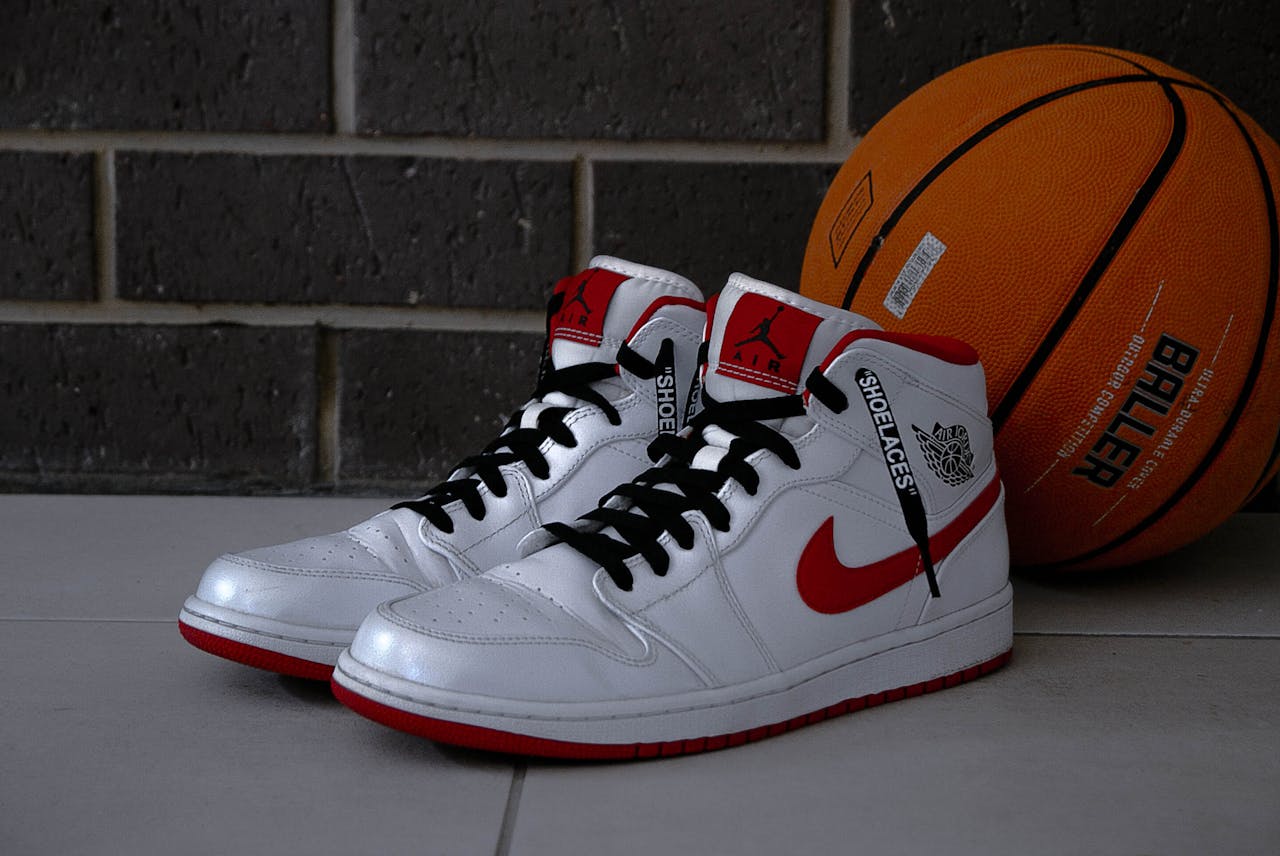
Choosing the right shoes doesn’t just protect your feet; it also enhances your overall performance. Studies show that using court-specific footwear can reduce joint strain by up to 30% and improve responsiveness by 15-20%. That’s a big deal when milliseconds count in your game.
Benefits of the Right Shoes:
- Better Traction: Prevent slips and falls by matching your shoes to the surface.
- Enhanced Stability: Support for quick directional changes reduces the risk of injuries.
- Improved Comfort: Proper cushioning minimizes fatigue during extended play.
- Injury Prevention: Reinforced shoes protect your joints and ankles from the high-impact demands of court sports.
Durability
Durability isn’t just about making your shoes last longer; it’s about maintaining their performance. Here’s how to ensure your court shoes serve you well:
- Use Them Correctly: Don’t wear indoor shoes outdoors or vice versa. Each pair is designed for a specific environment, and misuse will lead to faster wear.
- Clean Regularly: Dirt and debris can affect grip. Wipe down the soles of your shoes after every session, especially if you’ve been playing outdoors.
- Replace When Necessary: Even the best shoes wear out eventually. If the treads are gone or the cushioning feels flat, it’s time for a new pair.
Preventing Court Surface Damage
Using the wrong shoes doesn’t just hurt your game—it can damage the court. Indoor courts, in particular, are vulnerable to scratches and marks from outdoor shoes. Here’s how to avoid causing unnecessary damage:
- Always check your shoes before stepping onto the court.
- Invest in non-marking indoor shoes for gym play.
- Keep separate pairs for indoor and outdoor use.
Addressing Common Questions
If you’re a player who switches between indoor and outdoor courts, you might wonder if a single pair of shoes can work for both. While some hybrid court shoes exist, they’re often a compromise. Hybrid shoes may not offer the specialized benefits of indoor or outdoor-specific designs but can be a good option for recreational players.
For serious athletes, investing in dedicated shoes for each environment is worth it. The right pair will protect your feet, enhance your performance, and save money in the long run by lasting longer.
Considering the Weather and Temperature
Outdoor players face additional challenges like heat, rain, or even snow. Shoes designed for outdoor courts should have weather-resistant materials to handle these conditions. On hot days, avoid leaving your shoes in direct sunlight, as it can weaken the glue and materials.
Indoor players have the advantage of controlled environments, which is why their shoes often focus more on comfort and grip rather than durability.
How to Make the Right Choice
When choosing court shoes, think about the following:
- Your Primary Playing Environment: Indoor, outdoor, or both?
- Your Sport: Different sports have different needs. For example, volleyball players need more cushioning, while tennis players may prioritize lateral support.
- Your Playing Frequency: Regular players should invest in higher-quality shoes to match the wear and tear.
Remember, court-specific shoes aren’t a luxury—they’re a necessity for serious players. They’re not just about better performance but also about protecting your body and the court you play on. So take a moment to evaluate your footwear and make sure you’re stepping onto the court with the right pair. Your game (and your feet) will thank you!